How to Get a Job: Learn the Secret From a Bad Movie
Discover unexpected job hunting wisdom from a forgotten film that reveals the one secret most candidates overlook entirely.
In the competitive world of job hunting, where thousands apply for every opening, conventional wisdom often falls short. Resumes get lost in digital black holes, interviews feel like interrogations, and rejection letters pile up. But what if the key to breaking through lies not in polished LinkedIn profiles or endless networking events, but in an unlikely source: a bad movie? Yes, you read that right. This article draws from the quirky wisdom of a forgotten film to reveal the one overarching secret that ties together effective job search strategies. We’ll dissect common pitfalls, refine your approach, and equip you with actionable steps to land your next role.
The Bad Movie That Changed Everything
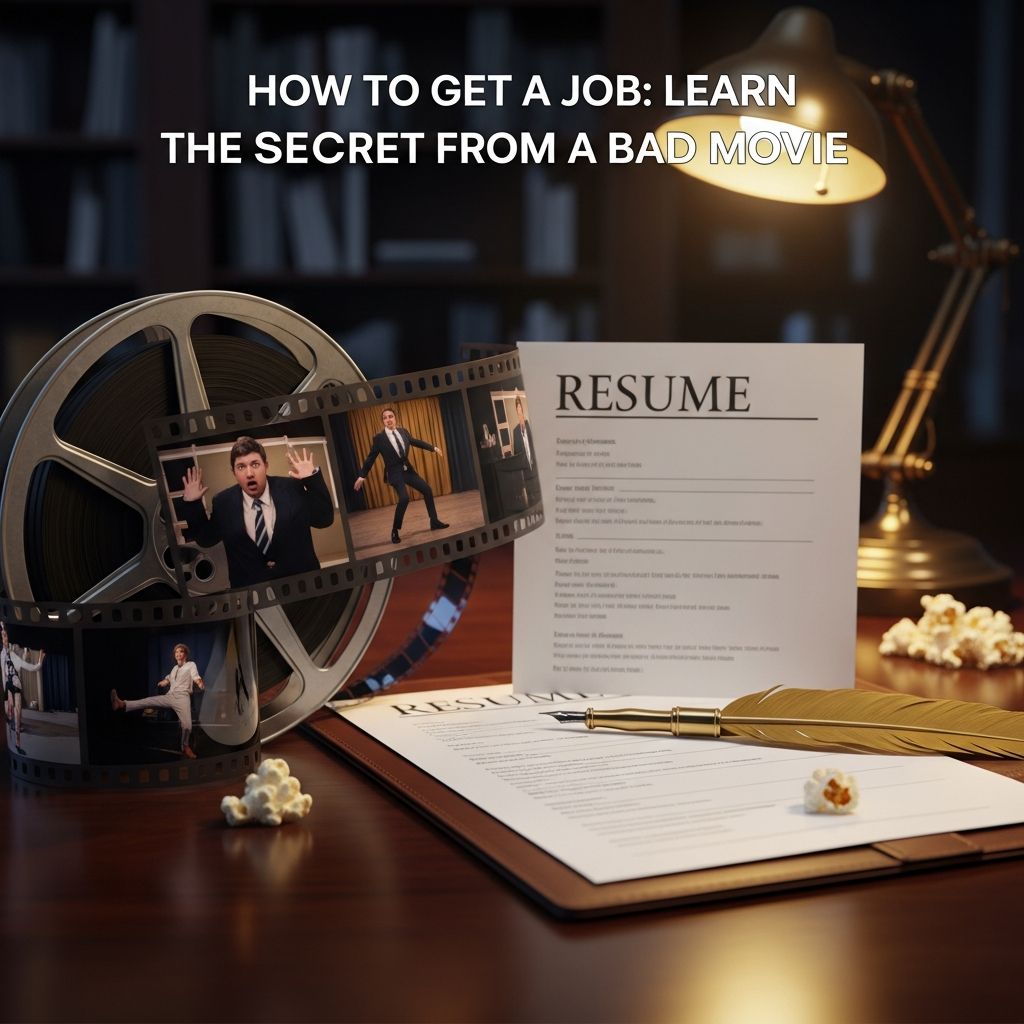
Picture this: a low-budget flick from the early 2000s, panned by critics, starring B-list actors in a tale of underdogs chasing dreams against impossible odds. It’s cheesy, predictable, and utterly forgettable—except for one scene. The protagonist, down on his luck, stumbles into a revelation during a montage of failures. He realizes that success isn’t about being the flashiest or most qualified on paper; it’s about persistent, targeted persistence in the face of rejection. Sounds simplistic? That’s the genius. This ‘bad movie secret’ mirrors real job hunting: most candidates spray and pray, but winners focus relentlessly on what matters.
This lesson echoes across career advice from experts who’ve coached thousands. Job seekers often derail themselves with fatal assumptions, like being ‘open to anything’ without focus. Hiring managers seek specialists who stand out, not generalists who blend in. The movie’s hero didn’t apply everywhere; he honed in on his passion, iterated based on feedback, and persisted. Apply this to your search: define your target, refine your pitch, and follow through.
5 Fatal Assumptions of Job Seekers
Many job hunters sabotage their efforts with misguided beliefs. Here’s a breakdown of the top five, straight from seasoned recruiters:
- Assumption 1: ‘I’m open to anything.’ Flexibility is good, but without focus on your strengths or industry, your resume screams ‘average.’ Target roles matching your top skills—hiring managers want proven performers, not trainees in tough economies.
- Assumption 2: ‘Long-shot applications add up.’ Applying to mismatched jobs wastes time. Even if perfect candidates are rare, recruiters spot irrelevance fast. Prioritize fits over volume.
- Assumption 3: ‘Jargon impresses everyone.’ Field-specific lingo confuses HR screeners. Use clear, keyword-rich language from job postings to appeal broadly while highlighting team wins.
- Assumption 4: ‘Entry-level is easy anywhere.’ Dream jobs require passion, which shines in interviews. Don’t settle—show transferable skills and enthusiasm for your ideal role.
- Assumption 5: ‘Few applications yield quick results.’ Success demands volume and aggression: apply daily, network relentlessly, and follow up.
Avoid these by defining your ‘ideal job’ first—skills, industry, company size. This focus, inspired by the movie’s targeted pursuit, boosts response rates dramatically[10].
How to Write a Winning Resume: 12 Essential Steps
Your resume is your foot in the door. Poor ones get trashed in seconds; great ones demand interviews. Follow these 12 steps, refined from online job board insights:
- Tailor it. Scan job descriptions for keywords; weave them in naturally.
- Quantify achievements. ‘Increased sales 30%’ beats ‘Handled sales.’
- Keep it honest. Lies get exposed—use real dates and metrics.
- One page max. Concise for busy recruiters.
- Strong summary. Lead with a 3-line pitch of your value.
- Action verbs. Start bullets with ‘Led,’ ‘Optimized,’ ‘Delivered.’
- No fluff. Cut irrelevant jobs over 15 years old.
- Skills section. List technical and soft skills matching the job.
- Customize for ATS. Use standard headings like ‘Experience,’ ‘Education.’
- Proofread ruthlessly. Typos kill credibility.
- Format cleanly. Sans-serif fonts, ample white space.
- Test it. Use job boards to see how it ranks.
| Common Mistake | Fix |
|---|---|
| Generic template | Tailor per job |
| Vague duties | Specific results |
| Too long | One page |
The movie hero revised his ‘pitch’ after each flop—do the same with resumes for better odds.
Mastering Interviews: Answering 23 Common Questions
Interviews test fit beyond paper. Prep like the movie’s hero: research, practice, show hunger. Key responses from pros:
- Tell me about yourself. 2-minute elevator pitch: career highlights tied to the job.
- Why us? Cite recent news, align goals with company mission.
- Strengths/weaknesses? Strengths match role; weakness is ‘perfectionism’ turned positive.
- Salary expectations? Research via salary.com, deflect: ‘Discuss based on full package’.
- Where in 5 years? Ambitious but tied to their growth.
Other gems: Highlight continuous learning (classes, hobbies). Admit other interviews vaguely to show demand. Always ask: ‘Next steps?’ Practice aloud—persistence pays.
Earn More by Demanding It
Don’t undersell. One seeker stammered ‘$22/hr’ but deserved $35—lesson learned. Research market rates, negotiate confidently. In interviews, flip salary questions: ‘What range for this role?’ Prove value post-hire for quick raises. The movie’s underdog demanded his worth and won big.
Securing Great Job References
References seal deals. Cultivate 3-5 strong ones: former bosses, colleagues. Prep them with your resume, recent wins. Tools like PreVerify streamline verifications. Bad refs kill offers—choose wisely.
6 Crucial Steps Most Skip
Don’t overlook these[10]:
- Define ideal job.
- Brand online (bury digital dirt).
- Use company review sites.
- Prep interviews deeply.
- Leverage networks beyond LinkedIn.
- Follow up aggressively.
Frequently Asked Questions (FAQs)
Q: How many jobs should I apply to daily?
A: Aim for 5-10 targeted applications, plus networking, for momentum without burnout.
Q: What’s the biggest resume mistake?
A: Lack of focus and quantifiable achievements—tailor to stand out.
Q: How to handle salary negotiations?
A: Research rates, express enthusiasm first, then counter high.
Q: Are references still checked?
A: Yes, always—secure glowing ones proactively.
Q: Is LinkedIn essential?
A: Helpful, but prioritize personal branding and direct outreach.
Embrace the bad movie secret: focused persistence trumps talent alone. Refine your strategy, iterate on feedback, and charge forward. Your dream job awaits those who persist smartly.
References
- 5 Fatal Assumptions of Job Seekers — Wise Bread. 2010-approx. https://www.wisebread.com/5-fatal-assumptions-of-job-seekers
- Earn More Money by Demanding It — Wise Bread. 2010-approx. https://www.wisebread.com/earn-more-money-by-demanding-it
- How to Answer 23 of the Most Common Interview Questions — Wise Bread. 2010-approx. https://www.wisebread.com/how-to-answer-23-of-the-most-common-interview-questions
- How to Get Great Job References — Wise Bread. 2010-approx. https://www.wisebread.com/how-to-get-great-job-references
- How To Write A Resume: 12 Steps To Your Next Job — Wise Bread. 2010-approx. https://www.wisebread.com/how-to-write-a-resume-12-steps-to-your-next-job
- 6 Crucial Job Searching Steps Most People Skip — Wise Bread. 2010-approx. https://www.wisebread.com/6-crucial-job-searching-steps-most-people-skip
Similar Articles








Read full bio of Sneha Tete