LLC Business Loan: Step-By-Step Guide To Qualify
Learn how LLCs qualify for business loans, what lenders require, and how to strengthen your application for better funding options.

Forming a limited liability company (LLC) is a popular way to structure a small business because it can separate your personal assets from business liabilities, provide tax flexibility, and help you present a more professional image to lenders. An important next step for many LLC owners is learning how to secure business financing to launch, grow, or stabilize their company.
This guide explains how business loans work for LLCs, which loan types you can use, what lenders typically require, and how to strengthen your application so you can qualify for the best terms possible.
What Is an LLC Business Loan?
An LLC business loan is any type of business financing where the borrower is a limited liability company rather than an individual owner. These are not special loan products; instead, they are standard business loans extended to an LLC entity that meets a lender’s criteria.
Because an LLC is a separate legal entity, it can own assets, incur debts, and build its own business credit history that is distinct from its owners. In practice, this means:
- The LLC applies for and repays the loan in the company’s name.
- The business’s financial statements and revenue are central to the underwriting decision.
- Personal guarantees may still be required, especially for newer or smaller LLCs.
The main benefit is that the LLC structure can reduce owners’ personal liability for business debts, although that protection is limited if owners sign personal guarantees or pledge personal collateral.
Can You Get a Business Loan With an LLC?
Yes, most mainstream lenders work with LLCs as long as the business meets standard underwriting criteria such as time in business, sufficient revenue, and acceptable credit. In many cases, an established LLC may be viewed more favorably than a sole proprietorship because the LLC typically keeps clearer separation between business and personal finances.
However, being an LLC does not guarantee approval. Lenders still evaluate risk based on:
- Business cash flow and revenue – predictable income to cover loan payments.
- Time in business – usually at least 6–24 months, depending on the loan type.
- Credit history – both business and personal credit profiles for the owners.
- Collateral and assets – especially for secured loans and larger amounts.
Pros and Cons of Getting a Loan as an LLC
Before applying, it is helpful to understand the potential advantages and trade-offs of borrowing as an LLC.
| Pros of LLC Business Loans | Cons of LLC Business Loans |
|---|---|
| Potential separation of personal and business liabilities, especially when no personal guarantee is required. | Many lenders still require personal guarantees from LLC members, particularly for small or new businesses. |
| Ability to build business credit in the LLC’s name over time. | Stricter documentation requirements, including business financials and legal filings. |
| Access to a wide range of business loan products (term loans, lines of credit, SBA loans, equipment financing, and more). | New LLCs and startups may find it difficult to qualify without strong personal credit or additional collateral. |
| More professional presentation to banks and institutional lenders compared with informal, unregistered businesses. | Failure to keep business and personal finances separate can weaken liability protections and complicate underwriting. |
Common Types of Business Loans for LLCs
LLCs can generally access the same core funding products as other small-business structures.
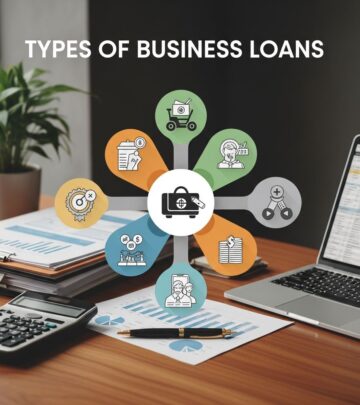
- Term loans
Lump-sum financing with a fixed repayment schedule, often used for expansion, large purchases, or refinancing existing debt. Terms can range from short (1–2 years) to long (5–10 years or more), depending on the lender and purpose. - Business lines of credit
A revolving credit limit that allows you to draw funds as needed for working capital, seasonal expenses, or cash-flow gaps. You pay interest only on what you use. - SBA-backed loans
Loans partially guaranteed by the U.S. Small Business Administration (SBA), such as the 7(a) or 504 programs. These can offer longer terms and competitive rates but require detailed documentation and must meet SBA eligibility rules. - Equipment financing
Loans or leases used to purchase machinery, vehicles, or technology. The equipment itself often serves as collateral, which can make approval easier for asset-heavy businesses. - Invoice financing and factoring
Options that allow you to borrow against outstanding invoices or sell them to improve cash flow while waiting for customers to pay. - Business credit cards
Revolving credit lines in the LLC’s name that can help separate expenses and build business credit, particularly when used responsibly.
Typical LLC Loan Requirements
While every lender sets its own policies, most use similar core criteria when evaluating LLC loan applications.
1. Time in Business
Lenders usually prefer a track record of operations before extending credit. Common thresholds include:
- At least 6 months in business for some online and alternative lenders.
- 1–2 years for many banks and SBA-backed loans.
More established LLCs with consistent revenue and financial statements often qualify for better terms.
2. Revenue and Cash Flow
Lenders analyze whether your LLC generates enough income to service additional debt. They may review:
- Average monthly or annual revenue.
- Trends in sales and cash flow from financial statements.
- Existing debt obligations and fixed expenses.
Stronger cash flow generally supports higher loan amounts and lower rates.
3. Personal and Business Credit Scores
For small and mid-sized LLCs, both personal credit and business credit are often considered.
- Many lenders look for personal credit scores in at least the 600–650 range, though some may accept lower scores for certain products.
- Business credit scores from bureaus such as Experian or Dun & Bradstreet help lenders gauge your payment history with vendors and existing creditors.
Strong credit profiles can reduce borrowing costs and increase approval odds.
4. Collateral and Guarantees
Some LLC loans are secured by specific assets or general business property, while others are unsecured but may still require a personal guarantee.
- Secured loans may be backed by real estate, equipment, inventory, or accounts receivable.
- Many lenders require at least one owner with significant equity to sign a personal guarantee, making them responsible if the business cannot repay.
Documents You Need to Apply for an LLC Loan
Prepared documentation helps lenders verify your LLC’s legal status and financial strength. While checklists vary, you can generally expect to provide:
- LLC formation documents
- Articles of organization.
- Operating agreement.
- State registration and any required licenses.
- Tax identification details
- Employer Identification Number (EIN) from the IRS.
- Personal Social Security numbers for owners providing guarantees.
- Financial statements
- Profit and loss (income) statements.
- Balance sheets.
- Cash-flow statements or projections.
- Bank statements
- Typically 3–12 months of business bank account statements to review deposits and balances.
- Tax returns
- 1–2 years of business tax returns, when available.
- Personal tax returns for principal owners for many small-business loans.
- Business plan and loan purpose
- Overview of your LLC’s operations, market, management, and financial projections.
- Clear explanation of how you will use the funds and how they will help the business repay the loan.
How to Apply for a Business Loan With an LLC
Following a structured process can improve your chances of approval and ensure you pursue the most suitable financing option.
1. Clarify Your Funding Needs
- Determine how much money you need and for what purpose (e.g., working capital, equipment, expansion, refinancing).
- Estimate how the loan will affect your monthly cash flow and whether projected revenue can comfortably support payments.
2. Check Your Eligibility
- Review your LLC’s time in business, annual revenue, and profitability.
- Review personal and business credit reports to correct errors and understand your standing.
- Consider whether you can offer collateral or a personal guarantee if required.
3. Compare Lenders and Loan Options
- Banks and credit unions often offer competitive rates but may have stricter requirements and longer application timelines.
- Online and alternative lenders may provide faster approvals and more flexible criteria, sometimes at higher interest costs.
- SBA-participating lenders can access government-guaranteed programs for eligible LLCs that meet SBA standards.
4. Gather and Organize Documentation
- Prepare legal documents, financial statements, tax returns, bank statements, and your business plan.
- Ensure your business bank account clearly reflects business transactions, separate from personal expenses.
5. Submit Your Application
- Complete the lender’s application form, either online or in person.
- Provide accurate, consistent information that matches your documents.
- Be prepared to answer follow-up questions or supply additional documentation.
6. Review Offers and Close the Loan
- Compare interest rates, fees, repayment terms, collateral requirements, and covenants.
- Confirm which LLC members must sign the agreement and whether personal guarantees are required.
- After signing, funds may be disbursed as a lump sum or available line of credit, depending on the product.
How to Improve Your Chances of Approval
If your LLC is new, has limited revenue, or you have weaker credit, there are practical steps you can take before applying.
- Separate finances early
Open a dedicated business bank account and use it consistently so lenders can see clear business cash flow. - Build business credit
Establish trade lines with vendors who report to business credit bureaus and pay all obligations on time. - Strengthen your business plan
Present realistic financial projections and a clear explanation of how financing will generate revenue to support repayment. - Reduce existing personal and business debt
Lower debt-to-income and debt-service ratios can make your application more attractive. - Consider starting with smaller or secured products
Using secured loans, equipment financing, or lower limits at first can help you build a track record and later qualify for larger amounts.
Frequently Asked Questions (FAQs)
Do I need an LLC to get a business loan?
You do not strictly need an LLC to get a business loan; sole proprietors and partnerships can also qualify. However, forming an LLC can help separate business and personal finances and may present a more formal structure to lenders.
Can a new LLC with no revenue get a loan?
A brand-new LLC with little or no revenue may struggle to qualify for traditional term loans but might access smaller lines of credit, business credit cards, equipment financing, or loans that rely more heavily on the owner’s personal credit and guarantees.
Will I have to personally guarantee an LLC loan?
Many lenders require at least one owner with a significant ownership stake to provide a personal guarantee, especially for small or young LLCs. As your business grows and builds strong financials, you may have more leverage to negotiate reduced personal risk.
Does an LLC loan affect my personal credit?
If you sign a personal guarantee or use personal credit in the underwriting process, late payments or default can affect your personal credit report. Over time, establishing loans solely in the business’s name and maintaining good payment history can help shift more activity to your business credit file.
Are SBA loans available to LLCs?
Yes. SBA-backed programs, such as 7(a) and 504 loans, are available to eligible small businesses organized as LLCs, provided they meet size standards, use funds for approved purposes, and satisfy the SBA and lender’s credit and documentation requirements.
References
- Loans — U.S. Small Business Administration. 2024-03-01. https://www.sba.gov/funding-programs/loans
- LLC Loan Requirements and Qualification Criteria Explained — Fundwell. 2024-01-10. https://www.fundwell.com/blog/llc-loan-requirements
- How to Get a Business Loan with an LLC — BHG Financial. 2023-11-15. https://bhgfinancial.com/small-business-loans/llc-business-loan
- How to Get a Business Loan & Business Funding with an LLC & EIN — Inc Authority. 2023-08-22. https://www.incauthority.com/blog/how-to-get-a-business-loan-with-an-llc-and-ein/
- How To Get A Business Loan With An LLC — Bankrate. 2024-02-05. https://www.bankrate.com/loans/small-business/how-to-get-an-llc-loan/
- What is an LLC Business Loan? Loan Types and How to Apply — Shopify. 2023-06-30. https://www.shopify.com/blog/llc-business-loan
- What Is an LLC Business Loan and How Do I Get One? — Clarify Capital. 2023-09-12. https://clarifycapital.com/what-is-llc-business-loan
Similar Articles








Read full bio of medha deb