How to Freeze Foods That Don’t Freeze Well
Discover clever techniques to freeze tricky foods like lettuce, eggs, and creamy fillings without ruining their texture or flavor.
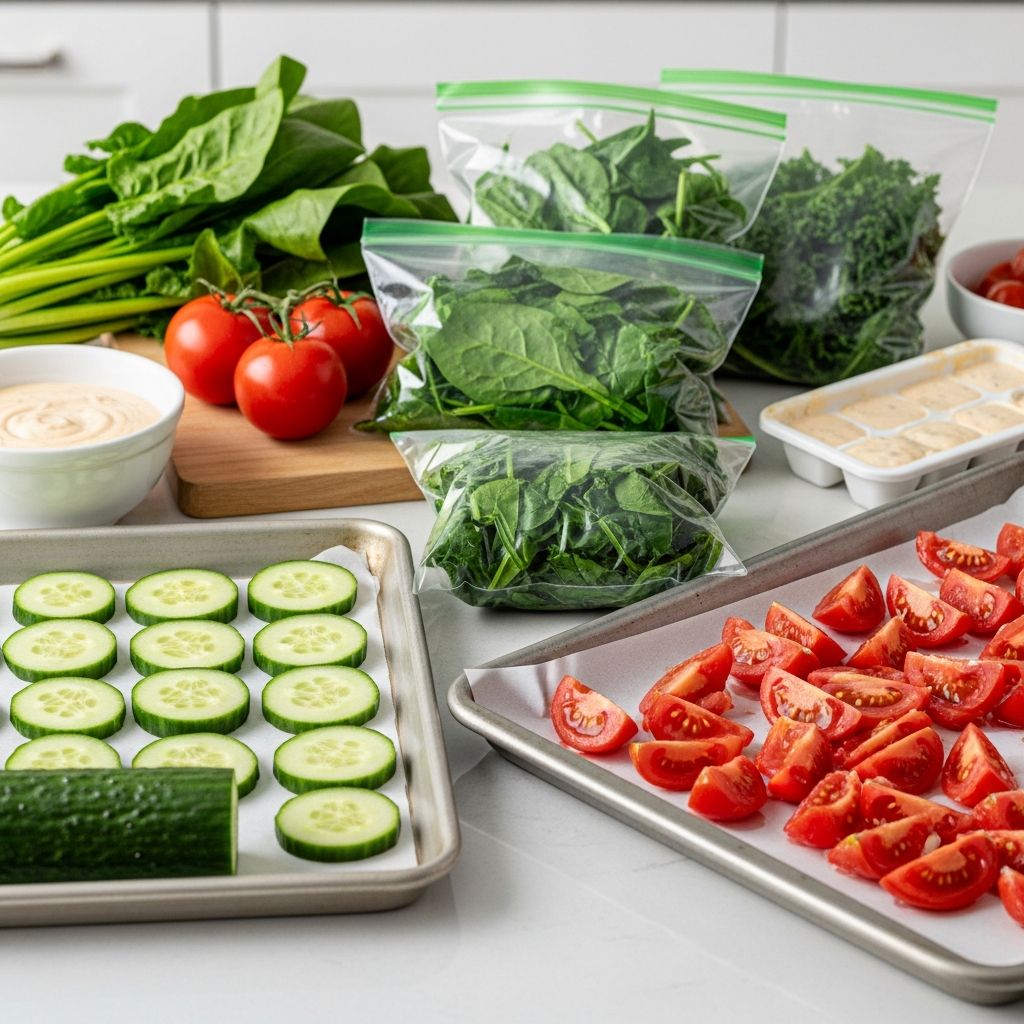
Freezing is a fantastic way to preserve food, reduce waste, and save money, but not all foods handle the cold equally well. Many items become limp, watery, or rubbery after thawing, making them unappetizing. However, with the right techniques, preparation methods, and smart substitutions, you can freeze even the trickiest foods successfully. This guide covers foods that typically don’t freeze well, explains why they misbehave, and provides proven workarounds based on reliable preservation science.
Drawing from authoritative sources like the National Center for Home Food Preservation, we’ll explore categories such as fresh produce, dairy products, cooked grains, fillings, and fried foods. Whether you’re prepping freezer meals or stocking up for busy weeks, these strategies will help you maintain quality and flavor.
Salad Greens and Crisp Vegetables
Foods like
cabbage, celery, cucumbers, lettuce, and radishes
are notorious for turning limp and water-logged when frozen raw. Their high water content expands into ice crystals that rupture cell walls, leading to oxidized flavors and mushy textures upon thawing.Workaround: Don’t freeze them raw for salads. Instead:
- Shred cabbage and freeze as “freezer slaw” by mixing with vinegar, sugar, and salt for a pickled version that retains crunch.
- Pickle cucumbers into “freezer pickles”—slice, marinate in brine, and freeze. These thaw with a crisp texture unlike fresh frozen slices.
- Cook celery into soups or stews before freezing; it softens acceptably in hearty dishes.
- For lettuce and delicate greens, opt for fresh purchases or dehydrate for seasoning.
Pro tip: Blanch radishes briefly before freezing to preserve color, though they’re best used cooked post-thaw.
Potatoes in Various Forms
Irish potatoes, whether baked, boiled, or fried (except French fries and onion rings), become soft, crumbly, water-logged, or mealy after freezing. Raw potatoes darken and develop off-flavors due to enzymatic browning.
Solutions:
- Parboil or fully cook potatoes before freezing. Dice boiled potatoes for soups or mash with butter and milk (use evaporated milk substitute to prevent separation).
- Freeze hash browns or tater tots as-is; they hold up well in casseroles.
- For baked potatoes, scoop out the flesh, mix with cheese or sour cream alternatives, and refreeze as twice-baked fillings.
- Grate raw potatoes for latkes, mix with egg and onion, portion, and freeze uncooked patties on a sheet before bagging.
Always blanch home-frozen french fries: cut, blanch 3-5 minutes, dry, then fry partially before final freezing.
Cooked Grains and Pasta
Cooked
macaroni, spaghetti, rice
turn mushy and taste “warmed over” when frozen alone. Starch retrogradation during freezing makes them grainy.Freezing Hacks:
- Undercook by 1-2 minutes (al dente minus one), drain well, and freeze in recipes like casseroles or sauces.
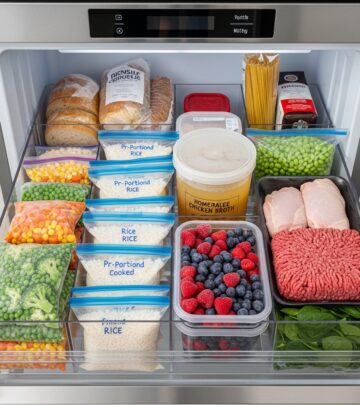
- Portion rice into meal-sized batches; cool quickly in cold water to prevent bacterial growth, then freeze. Reheat with moisture.
- Mix pasta with sauce or cheese before freezing to protect texture.
For rice, freeze in ice cube trays for smoothies or fried rice portions.
Egg-Based Products
Cooked
egg whites
become spongy and rubbery; meringues toughen; icings weep. Raw whites expand and gel unevenly.Alternatives:
- Freeze raw egg whites beaten with sugar for royal icing or meringues—thaw overnight.
- Hard-cooked yolks freeze well alone; whites do not. Use yolks in salads or sauces.
- Scramble eggs with dairy before freezing; they hold up better than boiled.
- Bake meringues post-thaw or use whipped toppings instead.
Creamy Fillings and Dairy Sauces
**Cream/custard fillings, milk sauces, sour cream** separate, curdle, or turn watery. Fat globules destabilize in cold.
Smart Swaps:
- Substitute evaporated milk or heavy cream in recipes; they freeze solidly.
- Cook custards into pies post-thaw or use stabilized fillings with cornstarch.
- Sour cream freezes with texture change but works thawed in baking or hot dishes.
- Mayonnaise separates on sandwiches; freeze oil-based dressings separately and remix.
| Item | Issue | Fix |
|---|---|---|
| Cream Fillings | Watery, lumpy | Use in cooked pies post-thaw |
| Milk Sauces | Curdle | Evaporated milk sub |
| Sour Cream | Separates | Bake-in only |
Cheese, Toppings, and Gelatins
**Cheese/crumbs** on casseroles get soggy;
gelatin
weeps;fruit jelly
soaks bread.Tips:
- Freeze cheese shredded with cornstarch to prevent clumping. Add toppings post-thaw.
- Gelatins best fresh; freeze fruit purees instead.
- Jelly on sandwiches? Use post-thaw sparingly or freeze bread separately.
Fried Foods and Delicate Produce
Fried items (except fries/onion rings) lose crispness. Melons, citrus, cucumbers flop.
Strategies:
Best Practices for Freezer Success
To maximize results across all foods:
- Prep properly: Blanch veggies, undercook grains, portion into bags.
- Packaging: Remove air, use freezer bags, label with dates. Aim for 0°F (-18°C).
- Thawing: Fridge overnight; never room temp for perishables.
- Storage life: 3-12 months depending on item.
Frequently Asked Questions (FAQs)
Q: Can you freeze lettuce?
A: Not for fresh salads—it wilts. Puree for soups or use in cooked dishes post-thaw.
Q: Does milk freeze well?
A: Jugs yes; in sauces, sub evaporated milk.
Q: How about cheese?
A: Shredded freezes best; cube hard cheeses.
Q: Can custard pies be frozen?
A: Bake first, then freeze; thaw and serve cold.
Q: What about bread?
A: Excellent freezer; slice and wrap tightly.
Bonus: Foods That Freeze Surprisingly Well
While focusing on tricky ones, note rice (undercooked), herbs (in oil cubes), nuts, and doughs freeze brilliantly with prep.
References
- Foods That Do Not Freeze Well — National Center for Home Food Preservation, University of Georgia. 2023. https://nchfp.uga.edu/how/freeze/freeze-general-information/foods-that-do-not-freeze-well/
- What Freezes Well, What Doesn’t and How to Adapt Recipes — Freezer Meals 101. 2022. https://freezermeals101.com/freezes-well-doesnt-adapt-recipes/
- Selecting the correct processing time for pressure canning fruits — National Center for Home Food Preservation (related factsheet). 2023. https://nchfp.uga.edu/how/freeze/freeze-general-information/foods-that-do-not-freeze-well/
- Seven foods you never knew you could freeze — Love Food Hate Waste. 2024. https://www.lovefoodhatewaste.com/blog/seven-foods-you-never-knew-you-could-freeze
Similar Articles








Read full bio of medha deb