How To Fly With Your Pet Safely: Money-Saving Tips
Essential tips and money-saving strategies for safe, stress-free air travel with your dog, cat, or other pet.
Flying with your pet can be a rewarding experience if planned carefully, but it requires thorough preparation to ensure safety, comfort, and compliance with airline rules. Whether you’re traveling for vacation or relocation, these
best money tips
help minimize stress and costs while prioritizing your pet’s well-being.Is Your Pet Fit to Fly?
Before booking any flight, assess if air travel is suitable for your pet. Certain health conditions like heart disease, respiratory issues, seizures, diabetes, or severe anxiety can make flying dangerous. Schedule a
pre-travel veterinary check-up
at least 10-14 days in advance to review medical history and obtain necessary health certificates.Vets can advise on fitness to fly and provide guidance for pets on medications. For international trips, contact a USDA-accredited veterinarian early to meet destination entry requirements, including rabies vaccinations and microchipping. Pets must typically be at least 8 weeks old, and brachycephalic (short-nosed) breeds like Pugs or Persians face restrictions due to breathing risks.
Money Tip: Combine the vet visit with routine care to save on separate appointments. Avoid sedation unless vet-approved—airlines often prohibit it, as it risks heart rate and breathing at altitude.
Choose a Pet-Friendly Airline
Not all airlines accommodate pets equally. Research policies on in-cabin, cargo, or checked baggage options. Airlines like United allow up to 2 pets per person (requiring adjacent seats for multiples), but limits apply per flight. Book direct flights to avoid layovers, which increase stress and missed connections.
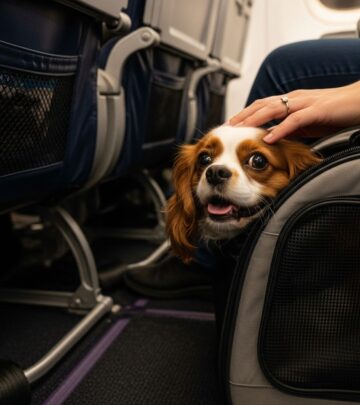
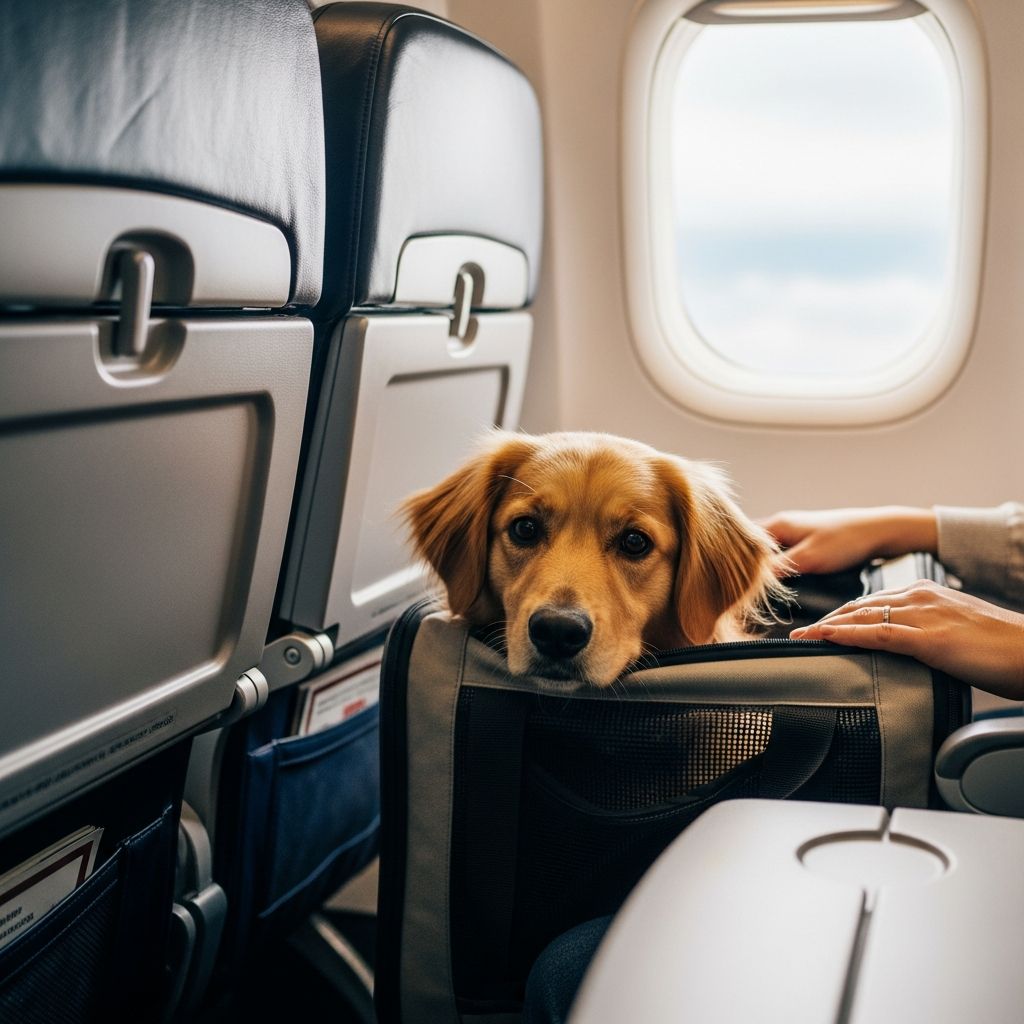
Small pets (under 20 lbs with carrier) can often fly in-cabin under the seat; larger ones go to cargo. Confirm pet quotas early—many cap in-cabin pets at 2-4 per flight. Opt for airlines experienced in pet travel with temperature-controlled cargo and trained handlers.
| Airline Option | In-Cabin | Cargo/Checked | Key Restrictions |
|---|---|---|---|
| Small Pets (<20 lbs) | Yes, under seat | No | Carrier fits 18x11x11 inches max |
| Large Pets | No | Yes | Temp 40-80°F; no brachycephalic breeds |
| Multiple Pets | Limited | Case-by-case | Book extra seats if needed |
Money Tip: Fly mid-week or off-peak to snag lower fares and more pet spots. Compare fees: in-cabin ~$100-150, cargo $200+.
Understanding Airline Pet Policies
Policies vary: pets must be well-mannered, with carriers meeting IATA Live Animals Regulations (ventilated, secure, leak-proof). In-cabin pets stay in carriers; cargo requires labeled kennels with your contact info. Age minimums (8 weeks), weight limits, and breed bans apply. Some airlines inspect behavior at airports and may refuse travel.
Health records (issued within 10 days) are often required. For cargo, adhere to drop-off/pickup windows and weather restrictions (no extremes below 40°F or above 80°F on ground). Always notify the airline 48-72 hours ahead.
Money Tip: Review policies on official sites to avoid fees for non-compliant carriers—buy once, reuse forever.
Select the Right Pet Carrier or Crate
The carrier is your pet’s safety lifeline. In-cabin: soft-sided, fits under seat (e.g., 18″L x 11″W x 11″H). Cargo: hard-sided, IATA-compliant, allowing pet to stand, turn, and lie down. Label with ‘Live Animal’ stickers, your info, and feeding instructions.
- Test size: Pet should move comfortably without touching sides.
- Ventilation: 16% of sides open.
- Secure doors/zippers to prevent escapes.
- Add absorbent bedding, no towels (can snag).
Money Tip: Buy airline-approved crates from pet stores (~$50-200); avoid cheap alternatives that get rejected at check-in.
Prepare Your Pet for the Journey
Acclimate your pet to the carrier weeks ahead: feed meals inside, play with doors open/closed. Maintain routines—feed normally but skip solid food 6-12 hours pre-flight to prevent nausea. Exercise vigorously beforehand.
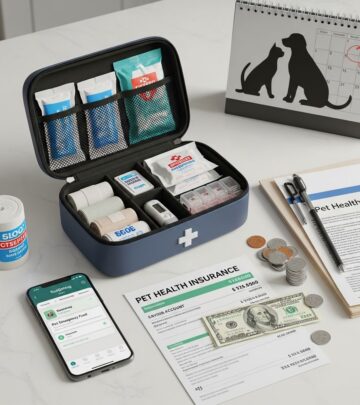
Microchip for ID (take number copy), collar with tags, and harness/leash. Pack a kit: food samples, bowls, waste bags, meds, toys, familiar blanket.
- Crate Training Schedule:
- Week 1: Short sessions, treats inside.
- Week 2: Close door, short trips in car.
- Week 3: Full-day practice runs.
Money Tip: Use household items like old T-shirts for comfort—free anxiety relief.
Pack a Pet Travel Kit
Essentials ensure smooth travel:
- Food/water bowls (collapsible).
- 12-24 hours’ food (sealed).
- Meds in original bottles.
- Waste bags, enzymatic cleaner.
- Familiar toys/blanket.
- Health certs, microchip info.
- Leash/harness.
Money Tip: Reuse travel mugs as bowls; pack light to avoid baggage fees.
On the Day of Travel
Arrive 2-3 hours early for pet processing. Exercise pet pre-security. In-cabin: carrier under seat, quiet throughout. Cargo: direct handover to trained staff. Provide water access; monitor via airline apps if available.
At destination, reunite quickly, offer water/food, rest in cool spot.
Managing Pet Anxiety During Flight
Fear is common—use pheromone sprays (vet-approved), familiar scents, or white noise apps. No unapproved sedatives. Post-flight decompression: quiet space, routine meals.
Money Tip: Free apps for calming music; skip pricey gadgets.
International Travel with Pets
Research import rules: rabies titer tests, quarantine. USDA vets issue export certs. EU requires microchip + rabies vax.
Money Tip: Bundle docs digitally; print spares to avoid rush fees.
Pet Travel Costs and Saving Money
Fees add up: $100-300+ per direction. Save by:
- Booking early for pet spots.
- Direct flights (fewer fees).
- Off-peak travel.
- Multi-pet discounts (rare).
- Credit cards with pet travel perks.
| Cost Item | Estimate | Saving Hack |
|---|---|---|
| Pet Fee | $125 round-trip | Pet-friendly airline sales |
| Carrier | $100 | Borrow/reuse |
| Vet Cert | $50-150 | Combine with checkup |
Frequently Asked Questions (FAQs)
Can all pets fly in the cabin?
No, only small pets fitting under-seat carriers; larger go cargo. Confirm airline limits.
Should I sedate my anxious pet?
Avoid unless vet-prescribed; risky at altitude.
What paperwork is needed?
Health cert (within 10 days), vax records, microchip.
Are there breed restrictions?
Yes, brachycephalic breeds often banned.
How to prepare a puppy/kitten?
Minimum 8 weeks; extra crate training.
References
- Pet Travel Guide: How to Fly Safely With Your Dog or Cat — CareCredit. 2024. https://www.carecredit.com/well-u/pet-care/how-travel-safely-pets/
- Safest Way to Travel with Pets — WorldCarePet. 2025-04-09. https://worldcarepet.com/2025/04/09/safest-way-to-travel-with-pets/
- Airplane Travel With Your Dog — VCA Animal Hospitals. 2024. https://vcahospitals.com/know-your-pet/travel—airplane-travel-with-your-dog
- Flying with a Pet — US Department of Transportation. 2025. https://www.transportation.gov/airconsumer/flying_with_pet
- Traveling safely with your pet: The ultimate guide — AAHA. 2024. https://www.aaha.org/resources/the-ultimate-guide-to-traveling-safely-with-your-pet/
- Traveling with pets — United Airlines. 2025. https://www.united.com/en/us/fly/travel/traveling-with-pets.html
- Travel Safety Tips — ASPCA. 2024. https://www.aspca.org/pet-care/general-pet-care/travel-safety-tips
- Travel With a Pet — USDA APHIS. 2025. https://www.aphis.usda.gov/pet-travel
Similar Articles








Read full bio of medha deb