How To Flip A House: Step-By-Step Guide For Beginners
Learn the essentials of house flipping, from finding properties to maximizing profits with proven strategies.
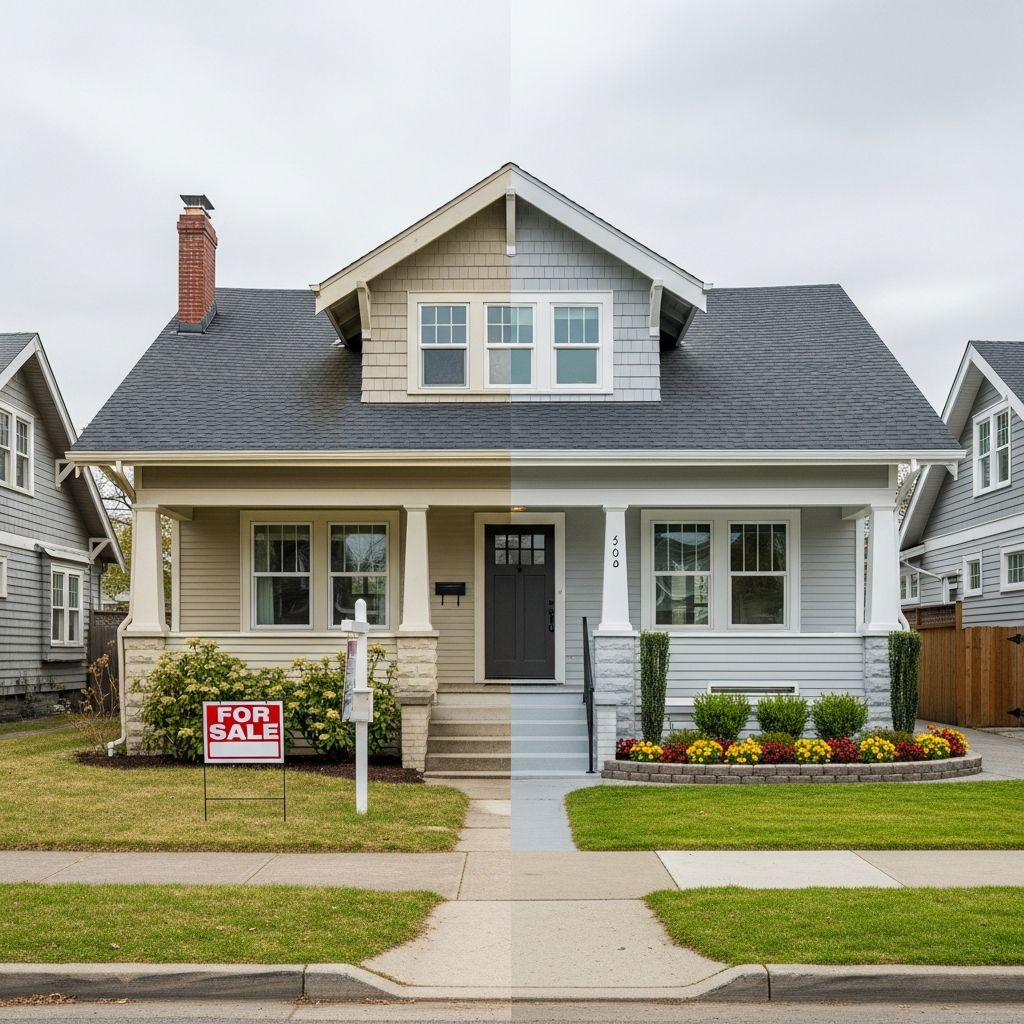
How to Flip a House: A Beginner’s Guide
House flipping has become an increasingly popular real estate investment strategy, offering the potential for quick profits compared to traditional landlord approaches. However, the reality of flipping houses is significantly more complex and risky than what television shows portray. While HGTV makes it look simple—buy a discounted property, renovate it, and sell for profit—successful house flipping requires careful planning, market knowledge, and financial discipline. This guide will walk you through the essential steps and strategies to help you understand whether house flipping is right for you and how to approach it successfully.
Understanding House Flipping Basics
At its core, house flipping involves purchasing a distressed or undervalued property, making necessary repairs and renovations, and then selling it for a profit. The business model is straightforward in concept: buy low, renovate, and sell high. However, the execution involves numerous challenges that separate successful investors from those who lose money on their deals.
House flipping differs significantly from other real estate investment approaches. Unlike becoming a long-term landlord who collects monthly rental income over decades, house flippers aim to realize profits within a matter of months. This compressed timeline requires faster decision-making and more precise calculations about renovation costs and market values. The advantage is the potential for quicker returns on investment, but the disadvantage is the higher level of operational expertise required and increased risk exposure.
The 70 Percent Rule: Your Financial Foundation
One of the most important tools in a house flipper’s toolkit is the 70 percent rule, a guideline that helps determine the maximum amount you should pay for a property to ensure profitability. Understanding and applying this rule correctly can be the difference between a successful flip and a money-losing venture.
What Is the 70 Percent Rule?
The 70 percent rule states that you shouldn’t purchase a distressed property for more than 70 percent of the home’s after-repair value (ARV) minus the estimated cost of repairs. In other words, the formula works like this:
Maximum Purchase Price = (ARV × 0.70) − Repair Costs
This rule accounts for your purchase price, renovation expenses, and the profit margin you need to make the deal worthwhile. By adhering to this guideline, you protect yourself from overpaying for properties and ensure you have enough margin for unexpected expenses that commonly arise during renovations.
A Practical Example
Consider Sofia, who identifies a fixer-upper in an up-and-coming neighborhood. After researching comparable sales in the area, she determines that similar homes in good condition sell for approximately $300,000. This becomes her after-repair value (ARV). Following a professional home inspection, Sofia estimates the following repair costs:
– Electrical work: $2,000- Cosmetic improvements: $40,000- Contingency buffer (10%): $4,200- Total estimated repairs: $46,200
Using the 70 percent rule:
– 70% of $300,000 = $210,000- $210,000 − $46,200 = $163,800 (maximum offer price)
Sofia makes an offer of $165,000. If the purchase and renovations proceed as planned, she would net approximately $88,000 in profit ($300,000 sale price − $165,000 purchase − $46,200 repairs). However, if unexpected issues emerge or the market softens, her profit margin is still substantial enough to absorb these variations.
Determining After-Repair Value Accurately
Calculating an accurate after-repair value is critical to the success of the 70 percent rule. An inflated ARV estimate will lead to overpaying for properties and reduced profits, while an underestimated ARV might cause you to pass on genuinely profitable opportunities.
Methods for Estimating ARV
– Comparable Sales Analysis (Comps): Research recently sold homes in the same neighborhood with similar square footage, bedrooms, and bathrooms. Real estate databases and local MLS listings provide this information.- Professional Real Estate Agent Consultation: A local realtor with deep market knowledge can provide invaluable insights into neighborhood trends and realistic selling prices for renovated properties.- Market Indicators: Consider factors like school quality, employment centers, demographic trends, and planned community development that influence property values.- Seasonal Adjustments: Account for seasonal market fluctuations that may affect the final selling price of your flipped property.
Estimating Renovation Costs
Accurate cost estimation is crucial because underestimating renovation expenses can quickly erode your profit margins. Many novice flippers fail to account for hidden problems discovered during renovations, leading to budget overruns.
Comprehensive Cost Breakdown
Your renovation budget should include:
– Structural repairs (foundation, roof, framing)- Plumbing and electrical system updates- HVAC installation or repair- Flooring installation- Kitchen and bathroom renovations- Painting and cosmetic improvements- Permitting and inspection fees- Labor costs for hired contractors- Contingency fund (typically 10-20% of total budget)
Getting Accurate Estimates
Obtain detailed written estimates from licensed contractors in multiple trades. Don’t rely on rough approximations—professional quotes from plumbers, electricians, roofers, and general contractors provide the accuracy you need. Online cost estimation tools can also provide benchmarks for comparison, helping you identify if contractor quotes seem reasonable for your market.
Finding the Right Properties to Flip
Success in house flipping starts with finding the right properties. Not every distressed property represents a profitable opportunity, and identifying genuinely undervalued properties requires market research and careful evaluation.
Where to Find Flipping Opportunities
– MLS Listings: Work with a real estate agent to identify distressed properties, foreclosures, and short sales in your target market.- Auctions: Property auctions, both online and in-person, often feature below-market opportunities, though they require quick decision-making.- Direct Outreach: Network with other investors, wholesalers, and property scouts who may have leads on upcoming deals.- Bank-Owned Properties: REO (real estate owned) properties controlled by banks after foreclosure often have flexibility in pricing and terms.
Selecting Target Neighborhoods
Rather than investing randomly, successful flippers focus on specific neighborhoods showing strong fundamentals. Look for areas with:
– Growing employment opportunities- Improving school districts- Planned infrastructure development- Population growth trends- Lower crime rates and improving safety- Community investments and revitalization efforts
Financing Your House Flip
How you finance a flip significantly impacts your returns and risk profile. Different financing approaches offer distinct advantages and disadvantages.
All-Cash Purchases
Buying with cash offers several advantages. It eliminates the mortgage application process, makes your offer more attractive to sellers, and avoids ongoing interest payments during renovations. However, this approach requires substantial capital reserves and may limit your ability to pursue multiple deals simultaneously.
Financed Purchases
According to industry data, approximately 40.5 percent of flipped homes involve some form of financing. Financing options include:
– Hard Money Loans: Short-term loans from private lenders designed specifically for real estate investors, with faster approval but higher interest rates.- Traditional Bank Loans: Conventional mortgages or investment property loans, which offer lower rates but require more documentation and longer approval timelines.- Portfolio Loans: Offered by some lenders, these loans are held by the lender rather than sold to investors, allowing more flexibility.- Bridge Loans: Short-term financing that bridges the gap between purchasing the flip and obtaining long-term financing or selling.
Developing a Realistic House Flipping Budget
A comprehensive budget accounts for all expenses involved in the flipping process, not just the purchase price and obvious renovation costs.
Complete Expense Categories
| Expense Category | Typical Range | Notes ||—|—|—|| Purchase Price | Variable | Determined by 70% rule || Loan Financing Costs | 2-5% of loan | Interest, origination fees, points || Renovation Labor | 30-50% of total rehab | Largest budget component || Materials | 20-35% of total rehab | Lumber, drywall, fixtures, etc. || Permits & Inspections | 1-3% of purchase | Municipal fees and inspections || Real Estate Agent Commissions | 5-6% of sale price | Selling costs || Holding Costs | $2,000-$5,000+ monthly | Utilities, property taxes, insurance || Contingency | 10-20% of total budget | Emergency fund for surprises |
Minimizing Expenses
Work with experienced contractors to negotiate volume discounts on materials. Build relationships with suppliers who can offer favorable pricing for repeat business. Balance cost-cutting with quality—cheap workmanship that fails inspection or turns off buyers can be more expensive than doing the job right initially.
Managing Renovation Projects
Effective project management ensures renovations stay on schedule and within budget. Poor management often leads to cost overruns and delayed sales.
Key Management Principles
– Detailed Project Plans: Create comprehensive timelines with milestones and deadlines for each phase.- Regular Site Inspections: Visit the property frequently to verify work quality and progress.- Written Contracts: All contractor agreements should be detailed and specific about scope, timeline, and payment terms.- Change Order Protocol: Establish a formal process for approving any changes to the original scope to avoid unexpected costs.- Payment Schedules: Structure payments to align with project milestones rather than paying upfront.
Selling Your Flipped Property
The final step in flipping is selling the property at the target price. Effective marketing and proper pricing are essential to achieving your profit goals quickly.
Pricing Strategy
Price your flipped property competitively based on current market conditions and comparable sales. While you want to maximize profit, overpricing delays sales and increases holding costs. Aim for the higher end of comparable sales prices if the market is strong, but be prepared to adjust if properties aren’t attracting offers.
Marketing Approach
– Professional photography and videography showcase the renovated property- Highlight key improvements and updated systems in listing descriptions- Use targeted online advertising to reach potential buyers- Host open houses and showings regularly- Consider staging to help buyers envision themselves in the space
Tax Considerations for House Flippers
Understanding the tax implications of house flipping helps you maximize after-tax profits and stay compliant with regulations.
Tax Benefits Available
– 1031 Exchange: Roll proceeds from one property sale into a new flip property to defer capital gains taxes, as long as you follow specific timing and identification rules.- Business Deductions: Operating expenses, materials, labor, and professional fees may be deductible.- Depreciation: While you can depreciate the property value over time, this requires holding it as a rental property rather than a flip.
Common Mistakes to Avoid
Learning from others’ mistakes accelerates your path to successful flipping. Here are critical errors to avoid:
– Underestimating renovation costs and timelines- Overestimating after-repair values in a declining market- Failing to obtain proper permits and inspections- Hiring unqualified contractors to save money- Neglecting to build adequate contingency buffers- Not understanding local market conditions thoroughly- Attempting flips without sufficient capital reserves
Frequently Asked Questions
Q: How long does a typical house flip take?
A: Most house flips take between 3 to 6 months from purchase to sale, though this varies based on the extent of renovations, permit delays, and market conditions. Complex projects may take longer.
Q: What’s the minimum amount of money needed to start flipping houses?
A: While amounts vary by market, most investors recommend having $50,000 to $100,000 in capital to start, including reserves for unexpected expenses and holding costs.
Q: Is the 70 percent rule always accurate?
A: The 70 percent rule is a helpful guideline but not absolute. Market conditions, property-specific factors, and your experience level may justify adjustments. It’s best used as a starting point, not a hard rule.
Q: What if I discover major problems during renovation?
A: This is why building a 10-20% contingency buffer into your budget is crucial. If problems exceed this amount, you may need to adjust your selling price or absorb costs that reduce profits.
Q: Can I flip houses part-time while working another job?
A: Yes, many investors start with part-time flipping. However, successful flipping requires significant time for oversight, inspections, and contractor coordination. Start small and scale up as you gain experience.
Q: Should I hire a real estate agent to sell my flipped property?
A: In most cases, yes. A good agent understands market pricing, handles marketing, manages showings, and negotiates offers—often more than recouping their 5-6% commission through better sales prices and faster sales.
Conclusion
House flipping can be a lucrative real estate investment strategy when approached with proper planning, realistic expectations, and disciplined execution. The 70 percent rule provides a mathematical foundation for making sound purchasing decisions, while comprehensive budgeting and accurate market analysis protect your investment. Success requires understanding your local market, building relationships with reliable contractors, and maintaining financial discipline throughout the process.
Whether you’re considering your first flip or scaling an existing business, remember that this strategy requires more expertise and carries higher risk than traditional real estate investment. Take time to educate yourself, start conservatively, and consider consulting with experienced investors or professionals before committing substantial capital. With proper preparation and execution, house flipping can generate significant returns on your real estate investments.
References
- The 70 Percent Rule In House Flipping — Bankrate. Accessed 2025-11-29. https://www.bankrate.com/real-estate/70-percent-rule-house-flipping/
- The Best Ways To Invest In Real Estate In 2025 — Bankrate. Accessed 2025-11-29. https://www.bankrate.com/investing/how-to-invest-in-real-estate/
- Flipping Houses for Profit: A Beginner’s Guide — SmartAsset. Accessed 2025-11-29. https://smartasset.com/mortgage/a-beginners-guide-to-flipping-houses-for-profit
- Buying a Flipped House: Red Flags to Watch Out For — Bankrate. Accessed 2025-11-29. https://www.bankrate.com/real-estate/what-to-know-about-buying-a-flipped-house/
- How to Sell Your House Fast, And Is It A Good Idea? — Bankrate. Accessed 2025-11-29. https://www.bankrate.com/real-estate/how-to-sell-house-fast/
Similar Articles








Read full bio of medha deb