How To Fix A Bike Flat: 15-Minute Step-By-Step Guide
Master the essential skill of repairing a bike flat tire on the road with step-by-step guidance from basic tools to advanced tips.
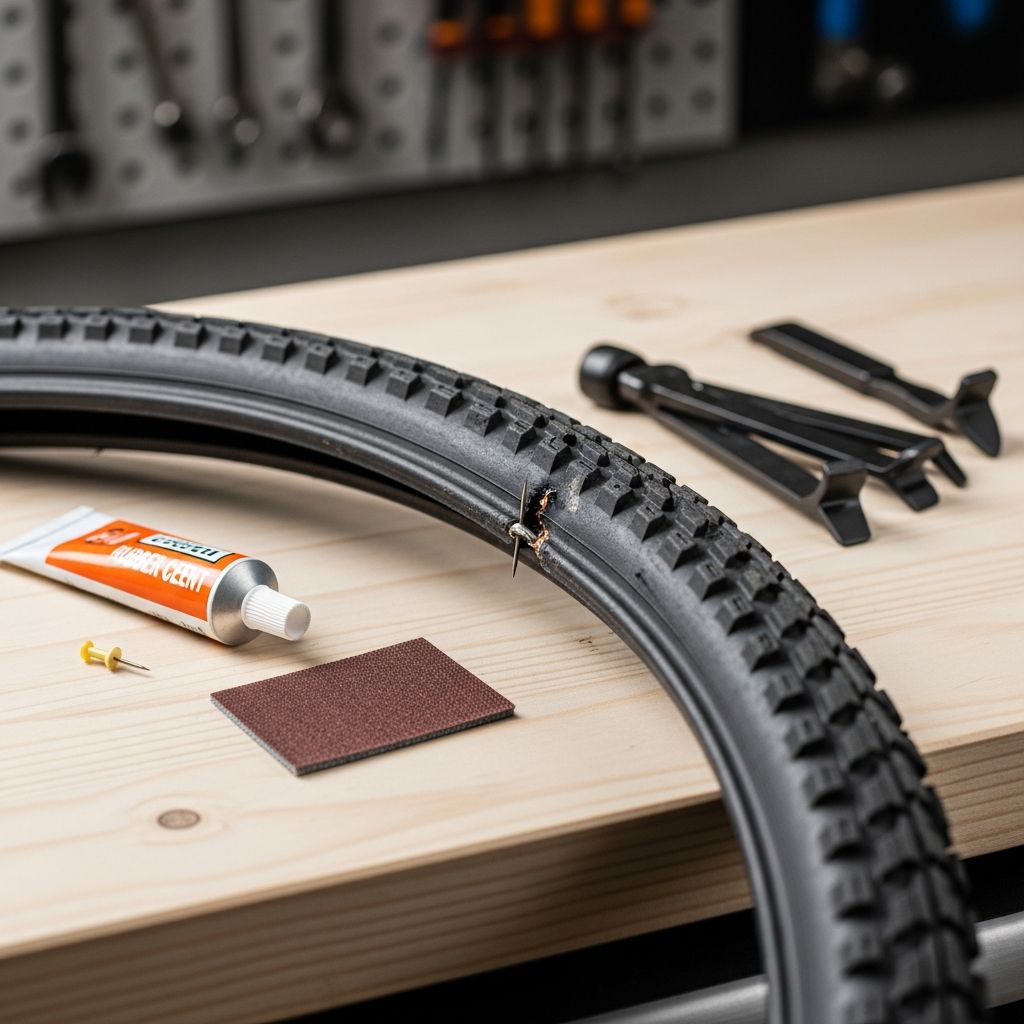
Getting a flat tire while cycling can happen to anyone, whether you’re commuting, touring, or enjoying a leisurely ride. The open road, far from home or repair shops, is no place to be stranded without knowing how to fix a bike flat. This comprehensive guide, drawing from expert mechanics and practical experience, walks you through every step of diagnosing, repairing, and preventing flats. With the right tools and techniques, you’ll be back on your bike in under 15 minutes.
What You’ll Need
Before heading out, assemble a compact repair kit. Essential items include tire levers (plastic ones to avoid damaging the tube), a frame pump or CO2 inflator with cartridges, at least two spare tubes, a patch kit with glue and sandpaper, and a multi-tool with wrenches for quick-release skewers. For rear wheels, shift the chain to the smallest cog first to ease removal. Carrying these weighs little but saves the day.
- Tire levers: Two or three for leverage without pinching the tube.
- Spare tubes: Match your tire size (e.g., 700x23c for road bikes).
- Patch kit: Self-adhesive or glue-based patches for on-the-go fixes.
- Pump or CO2: Ensure proper inflation (check sidewall PSI).
- Multi-tool: For axle nuts or adjustments.
Pro tip: Practice at home to build confidence. A well-stocked saddlebag makes roadside repairs routine.
Step 1: Remove the Wheel
Start by confirming it’s a flat—listen for hissing or feel for softness. For front wheels: Open the quick-release lever (QR) or loosen axle nuts, then pull the wheel from the dropouts. Disc brakes skip brake release; rim brakes require quick-release brake arms.
Rear wheels are trickier due to the cassette and derailleur. Shift to the smallest front chainring and smallest rear cog. Release brakes, open QR lever sideways, and lift the bike rear, pulling the wheel back and down to clear the chain and derailleur. If stuck, wiggle gently—never force.
| Wheel Type | Key Steps | Common Pitfalls |
|---|---|---|
| Front | Release QR, drop from forks | Forgetting brake release on rim brakes |
| Rear | Shift small-small, lift bike, pull back | Chain tangled in cassette |
Step 2: Break the Bead and Remove the Tire
Deflate completely by pressing the valve pin (remove cap first; for Presta valves, unscrew the tip). Push the bead (tire edge) toward the rim center all around to unseat it. Start opposite the valve with a tire lever: hook under the bead, pry over the rim edge, and slide along. Use a second lever 3-4 inches away to maintain access. Work fingers to peel the bead over; repeat for the other side. Pull the valve stem through the rim hole last.
Avoid metal tools—they puncture tubes. If tight, stand on levers briefly (protect rim with cloth). Once loose, the tire slips off easily.
Step 3: Remove the Tube and Inspect for the Cause
Gently pull the tube out, starting at the valve. Inflate slightly to spot leaks: submerge in water for bubbles or listen for hissing. Mark the leak spot with chalk or a marker.
Inspect the tire thoroughly: Run fingers inside and out, checking tread for glass, thorns, or cuts. Flip it inside-out if needed. Check rim tape for sharpness—replace if worn. Common culprits: road debris, rim strips, or pinch flats from low pressure (snake bites).
- Visual check: Embedded objects in tread.
- Tactile: Feel inner tire for burrs.
- Rim: Ensure tape covers spoke holes evenly.
Remove any debris with tweezers. This prevents repeat flats.
Step 4: Patch or Replace the Tube
For quick fixes, replace with a spare tube matching size and valve type (Schrader for hybrids, Presta for road). Patching saves money long-term: Clean the leak area with sandpaper, apply glue thinly, let dry tacky (1-2 minutes), press patch firmly for 5 minutes. Avoid glue on patches—let it dry first.
Test patch by inflating and dunking. A good patch lasts as long as new tube material.
Step 5: Reinstall the Tube and Tire
Partially inflate the tube (thumb pressure) for shape. Place valve through rim hole, ensuring it’s straight. Tuck tube into tire, avoiding twists. Starting opposite the valve, push one bead onto the rim using thumbs or levers. Work both directions; the last 2-3 inches resist—use your knee for leverage, heel of hand to roll bead on.
Pinch beads into rim channels; check no tube peeks out (bead lines should align equidistant). Inflate slowly: 50% first to seat, then full PSI. Bounce wheel; listen for valve hiss. Spin to check true.
Troubleshooting: If tire won’t seat, deflate fully. Tube pinched? Deflate, reposition with lever.
Step 6: Reinstall the Wheel
Front: Slide into forks, aligning brakes/disc. Close QR lever (resistance at 45°). Rear: Route chain over cassette/small cog, derailleur in place. Lift frame, drop wheel into dropouts, ensure axle seated. Tighten QR/nuts, reconnect brakes. Test spin: No brake rub, shifts smoothly.
Common Mistakes to Avoid
Pinching the tube between bead and rim causes immediate re-flats—always partially inflate and check edges. Overinflating blows beads off; underinflating risks snake bites. Forcing tight tires damages rims. Neglecting tire inspection repeats problems. Practice reveals these pitfalls.
- No bead check: Tube extrudes under pressure.
- Wrong PSI: Check sidewall (e.g., 80-120 PSI road).
- Rear wheel rush: Tangled chain bends derailleur.
Prevention Tips
Prevent flats proactively: Maintain 80-100 PSI (road), 30-50 PSI (mountain). Use tire liners or slime sealant. Inspect tires pre-ride. Avoid debris-strewn roads. Rotate tires for even wear. Fresh tubes last longer than patched ones beyond 5 fixes.
For tubeless setups: Fresh sealant plugs punctures automatically, but carry plugs for larger holes.
Troubleshooting Tricky Flats
Zigzag cuts? Inspect for rim damage. Repeated pinch flats? Increase PSI or add inserts. Valve issues? Straighten or replace stem. Slow leaks? Check rim tape or use soapy water test.
Frequently Asked Questions (FAQs)
Q: How long does fixing a flat take?
A: 5-15 minutes with practice; beginners 20-30.
Q: Can I patch on the road?
A: Yes, glue patches work if glue dries properly; self-adhesive for speed.
Q: Front or rear harder?
A: Rear, due to drivetrain; practice both.
Q: Disc vs rim brakes?
A: Disc simpler—no brake release needed.
Q: What’s a snake bite flat?
A: Two parallel punctures from rim hitting tube under low pressure.
Advanced Tips for Frequent Riders
Invest in digital pressure gauges for precision. Carry two tubes—one standard, one oversized for emergencies. Learn tubeless conversion for puncture resistance. Join cycling clubs for group repair practice. Track tire wear; replace at 2,000-5,000 miles.
For urban commuters, armoring like Mr. Tuff strips repels glass. Touring? CO2 for speed, but pumps for volume.
References
- How To Fix A Flat Tire — Ride Away Bicycles. Accessed 2026. https://www.rideawaybicycles.com/articles/how-to-fix-a-flat-tire-pg112.htm
- How to Fix a Flat Bike Tire — REI Co-op Journal. Accessed 2026. https://www.rei.com/learn/expert-advice/flat-tire.html
- Bike got a flat? You can fix that — Grist. 2011-05-17. https://grist.org/article/its-national-bike-month-dont-let-a-flat-tire-deflate-your-spirits/
Similar Articles








Read full bio of Sneha Tete