How to Find Time for Home-Cooked Meals
Discover practical strategies to carve out time for delicious, healthy home-cooked meals even on your busiest days.
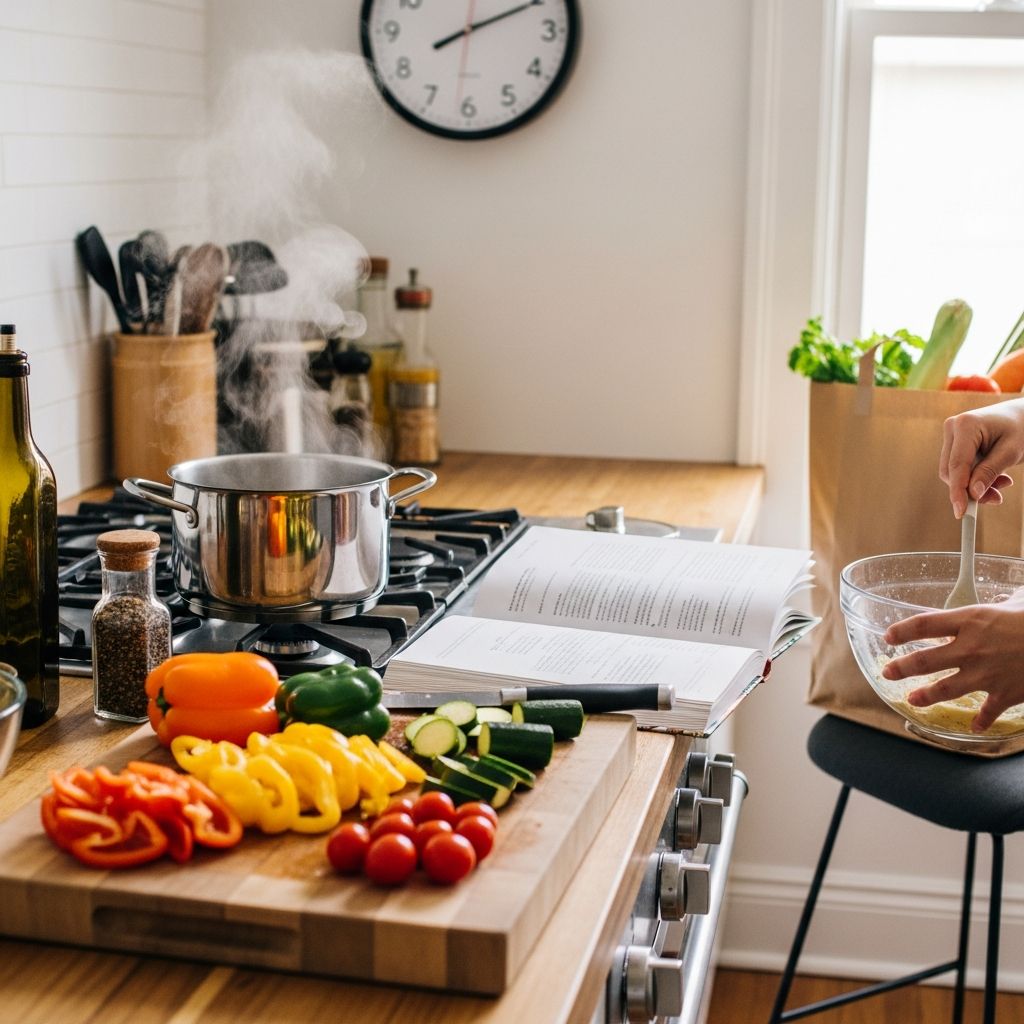
Life moves fast, with work, family, errands, and endless commitments filling every hour. Yet, home-cooked meals offer unmatched benefits: better nutrition, significant cost savings over eating out, and the joy of shared family time around the table. The challenge isn’t a lack of desire—it’s finding the time. This article outlines actionable strategies to reclaim your kitchen without adding hours to your day. By focusing on efficiency, smart planning, and simple habits, even the busiest individuals can enjoy fresh, flavorful meals daily.
Find Convenience in the Process, Not the Products
Convenience foods promise speed but often deliver inflated costs, hidden sugars, and mediocre taste. True convenience lies in refining your cooking process. Start by auditing your kitchen workflow. Are your most-used tools and ingredients easily accessible? Do you waste time hunting for pots, knives, or spices? A logical setup can shave minutes off every meal.
Consider these
streamlining tips
:- Organize supplies: Group baking tools together, keep spices on a lazy Susan near the stove, and store cutting boards and knives in one drawer.
- Mise en place: Before cooking, gather and prep all ingredients—chop vegetables, measure spices, set out utensils. This French technique prevents mid-recipe fridge runs and interruptions.
- Clean as you go: Wash cutting boards and utensils immediately after use to avoid a post-meal dish pile-up. Use a dish tub for soaking to keep counters clear.
- Declutter ruthlessly: Donate duplicate gadgets or rarely used items. A minimalist kitchen reduces decision fatigue and speeds movement.
These changes transform cooking from a chore into a fluid routine. For instance, prepping all ingredients upfront can cut 10-15 minutes from a stir-fry, making it faster than takeout delivery.
Get Really Good at a Few “Base” Dishes
Mastery breeds speed. Instead of tackling complex recipes nightly, perfect 5-7 versatile “base” dishes you can execute with eyes closed. These form the foundation for endless variations, minimizing learning curves and guesswork.
Examples of
go-to base dishes
:- Roasted chicken or sheet-pan veggies: Season, toss on a pan, oven-roast while you unwind.
- One-pot pasta: Boil noodles with sauce ingredients for creamy results without extra pots.
- Stir-fry basics: Quick-cook proteins and veggies in a hot wok with soy-ginger sauce.
- Grain bowls: Cook quinoa or rice, top with beans, greens, and nuts for customizable meals.
- Slow-cooker chili: Dump in the morning, done by dinner.
Practice these until they’re second nature. A well-practiced cook preps a base dish in under 30 minutes. Rotate them weekly, tweaking with seasonal produce or pantry staples for variety without extra effort.
Double Up on the Time-Consuming Tasks
Time-intensive steps like chopping onions, peeling garlic, or boiling grains eat into your schedule. The solution: batch them. Invest time once to prep multiples, then portion and store for future meals. This upfront effort pays dividends across the week.
Batch-prep ideas**:
- Chop a week’s worth of onions, carrots, celery (mirepoix base for soups, stews, sauces). Freeze in bags.
- Cook double rice or grains; refrigerate half for fried rice tomorrow.
- Boil eggs or shred rotisserie chicken for salads and wraps.
- Portion ground meat: Brown large batches, season halves (e.g., taco vs. meat sauce), freeze in meal-sized bags.
One rainy weekend yields enough prepped components for 4-5 dinners. Users share success with bulk-browning hamburger—one half Mexican-spiced, the other Italian—for grab-and-go assembly.
Plan Your Menu, Shop Smart
Without a plan, grocery runs become reactive, leading to waste and last-minute takeout. Weekly menu planning aligns shopping with needs, reveals doubling opportunities, and builds confidence.
Steps for effective planning:
- Assess the week: Note busy nights (e.g., Wednesdays—opt for leftovers or slow-cooker).
- Theme your days: Meatless Mondays, Taco Tuesdays simplify choices.
- Build a template: Plan 7 mains + 2-3 breakfasts/snacks. Include flexible slots for spontaneity.
- Shop once: Bulk-buy staples at warehouse clubs like Costco for deals on organics.
- Use tools: Apps like Allrecipes menu planner generate shopping lists from recipes.
A sample weekly menu:
| Day | Main Dish | Prep Notes |
|---|---|---|
| Monday | Batch chili (double for freezer) | Slow-cooker; uses pre-chopped veggies |
| Tuesday | Stir-fry with frozen prepped veg | 20 mins |
| Wednesday | Leftovers or sandwiches | Zero cook |
| Thursday | Sheet-pan chicken & veggies | Prep night before |
| Friday | Pasta with frozen meat sauce | 15 mins |
| Weekend | Batch cook (e.g., boil chicken) | Multitask |
This approach ensures you’re stocked without overbuying, saving money and time.
Multi-Task and Embrace Appliances
Standing idle while water boils wastes prime hours. Multi-task: Start a pot, then fold laundry or help with homework. Break tasks across time blocks—boil chicken morning, shred evening.
Leverage appliances for hands-off cooking:
- Slow cookers: Morning dump yields dinner ready on arrival.
- Programmable ovens/bread makers: Set timers for casseroles or loaves; finish while you’re out.
- Instant Pots: Pressure-cook grains or meats in minutes vs. hours.
Pro tip: Prep night before for morning assembly. Safety first—avoid dairy in long preheats.
Embrace Simplicity and One-Dish Meals
Elaborate multi-course dinners belong to weekends. Weeknights thrive on simplicity: one-dish wonders packing veggies, protein, and grains. Examples: Buddha bowls, frittatas, loaded salads.
Benefits:
- Fewer dishes: Less cleanup time.
- Nutrition boost: Veggies galore without sides.
- Budget-friendly: Staples stretch further.
A hearty salad—greens, beans, eggs, cheese—rivals restaurant fare in 15 minutes.
Batch Cooking and Freezer Meals
Dedicate one day (sick day, rainy Saturday) to mega-prep. Cook 5-7 meals, freeze in portions. Sites like Once A Month Mom offer freezer-friendly recipes. This stockpile covers emergencies, ensuring home cooking always trumps fast food.
Frequently Asked Questions (FAQs)
What if I have no time to batch cook?
Start small: Double one recipe weekly. Build freezer stash gradually.
Best beginner base dishes?
Sheet-pan bakes and slow-cooker soups—forgiving and scalable.
How to plan without boredom?
Rotate bases, swap seasonings/seasons. Involve family in choices.
Tools worth buying?
Sharp knives, cutting boards, slow cooker, sheet pans—essentials amplify efficiency.
Kitchen organization hacks?
Clear bins for pantry, drawer dividers, magnetic knife strips.
Reader Tips from the Community
- Buy bulk meat, pre-brown/season for tacos or pasta.
- Farmers market produce: Sunday chop/freeze for weeknight ease.
- Costco monthly hauls for staples; fresh weekly.
- Programmable oven for worry-free bakes post-gym.
Home cooking saves money—eating out averages $3,000/year per person vs. $1,500 home-prepped—while boosting health. Start with one tip today.
References
- CDC – Home Cooking and Healthy Eating. — Centers for Disease Control and Prevention. 2023-05-15. https://www.cdc.gov/nccdphp/dnpao/features/home-cooking/index.html
- USDA MyPlate – Meal Planning Tips. — United States Department of Agriculture. 2024-02-10. https://www.myplate.gov/eat-healthy/plan-your-menu
- Harvard T.H. Chan – Home Cooking for Health. — Harvard School of Public Health. 2022-11-01. https://www.hsph.harvard.edu/nutritionsource/home-cooking/
- NIH – Batch Cooking and Nutrition. — National Institutes of Health. 2023-08-20. https://www.nhlbi.nih.gov/health/educational/wecan/eat-right/meal-planning.htm
- American Heart Association – Kitchen Efficiency. — American Heart Association. 2024-01-12. https://www.heart.org/en/healthy-living/healthy-eating/cooking-skills
Similar Articles








Read full bio of Sneha Tete