How to Find the Cheapest College Textbooks
Discover proven strategies to slash textbook costs by up to 80% through rentals, used books, comparisons, and smart alternatives.
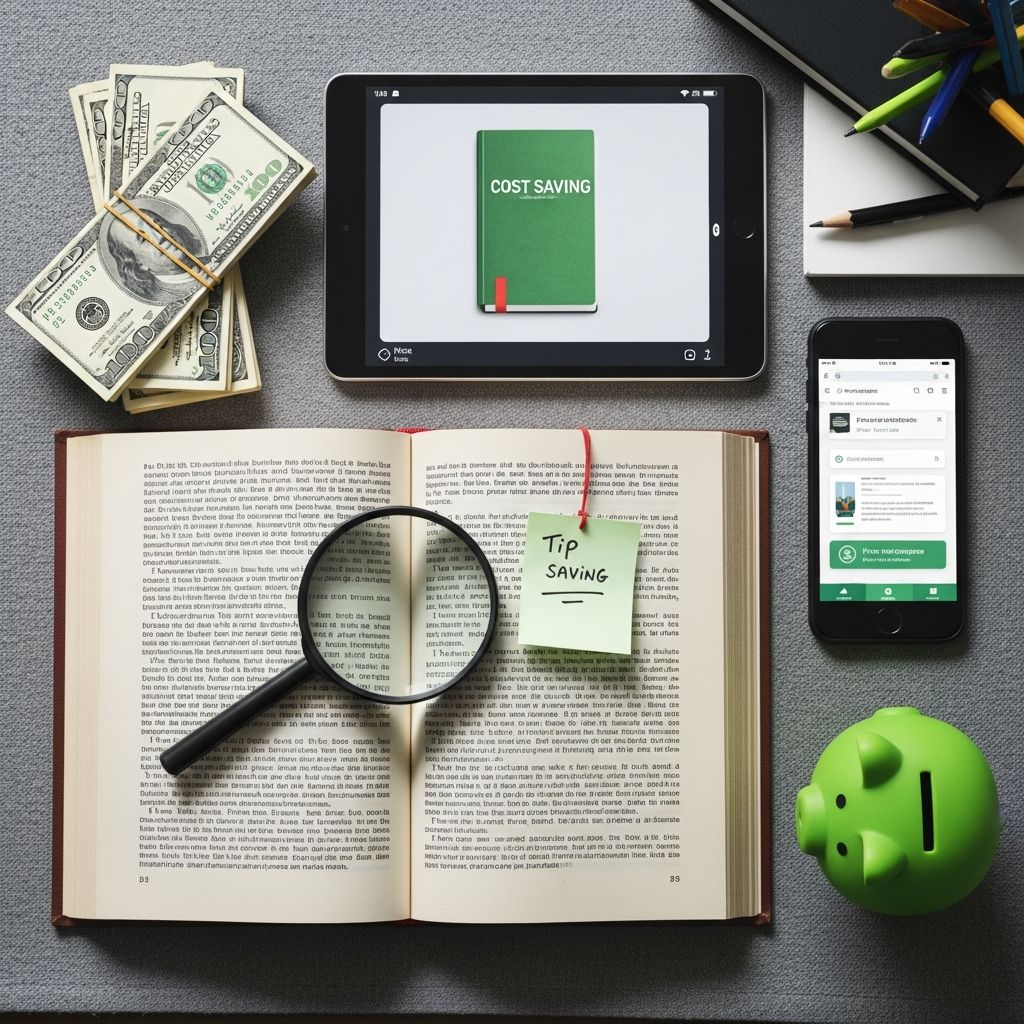
College textbooks can cost hundreds or even thousands of dollars per semester, but savvy students can dramatically reduce these expenses using proven strategies. By comparing prices across multiple vendors, opting for rentals or used copies, leveraging library resources, and exploring digital alternatives, you can save 50-80% on books without sacrificing access to required materials. This comprehensive guide covers all the best methods to secure the cheapest college textbooks, drawing from real student experiences and reliable tools.
1. Use Textbook Price Comparison Sites
The fastest way to find the lowest prices is through dedicated textbook comparison websites that scan dozens of vendors simultaneously. Instead of manually checking each site, enter the ISBN, title, or author, and get instant results showing new, used, rental, and eBook options with shipping costs included. Popular sites like Chegg, BookFinder, and CampusBooks aggregate listings from Amazon, AbeBooks, and more, often revealing deals under $20 for books retailing over $100.
- Chegg: Offers rentals starting at half the retail price, with flexible semester or quarter terms. Users report saving hundreds, and Chegg plants a tree per rental as a bonus.
- Book.ly: School-specific searches match your classes to the best affiliate prices for new, used, rentals, or eBooks, with expedited shipping options.
- CampusBooks.com and BookScouter: Compare buyback values too, helping you plan for resale. Ideal for finding used copies 70% cheaper than new.
- DealOz and Bigwords: Include coupons and course reviews; users saved over $500 with verified discounts.
- GPABook: Integrates price comparisons with professor reviews for smarter buying decisions.
Pro tip: Always verify the edition matches your syllabus, as page numbers can differ. These tools save time and money—students report cutting $200-300 per semester.
2. Rent Instead of Buying
Renting textbooks is often the cheapest upfront option, especially for one-semester use. Platforms like BookRenter and Chegg provide high-quality rentals at 40-80% off retail, with no shipping fees on returns. You’ll get the book when you need it and return it post-finals, avoiding long-term storage.
Key benefits include:
- Up to 80% savings compared to new purchases.
- Options for standard or expedited shipping.
- Condition guarantees—rentals arrive like new and return in the same state.
Students praise BookRenter as the ‘original online rental service’ for its massive selection. Compare rental vs. buy costs: if resale value is low, renting wins. For example, a $150 book might rent for $40, netting similar savings after buyback.
3. Buy Used Textbooks
Used books from campus bookstores, online marketplaces, or peers offer immediate savings of 25-50% off new prices. Check your campus store early in the semester for previous semester’s returns—they’re often in excellent condition at reduced rates.
Online sources like Amazon, AbeBooks, Half.com, eBay, and ThriftBooks frequently undercut campus prices, especially with free shipping over certain thresholds. Student comments highlight AbeBooks and Barnes & Noble for ‘serious savings’ on used copies.
| Source | Avg. Savings | Best For |
|---|---|---|
| Campus Bookstore | 25-40% | Quick pickup, guaranteed editions |
| Amazon Used | 40-60% | Free shipping, Prime perks |
| AbeBooks/eBay | 50-70% | Rare finds, international sellers |
Inspect condition photos and seller ratings to avoid surprises. Many used books are barely touched, making this a top strategy.
4. Check Older Editions
Textbook editions update infrequently with minor changes, so older versions (1-2 editions back) often suffice. Consult your professor first to confirm compatibility, but students snag $87 new editions for $1 used.
Benefits:
- Massive discounts—older editions cost pennies on the dollar.
- Content similarity: Core material rarely changes drastically.
Use comparison sites’ filters for editions. If the syllabus cites page numbers, verify alignment, but many classes accept equivalents.
5. Visit Your Library
Don’t overlook free options: campus libraries lend textbooks for entire semesters or place them on reserve for short-term use. Public libraries and interlibrary loans extend access to even rare titles.
Search by ISBN or title early—popular books go fast. Reserve copies allow in-library study for hours at a time, perfect for reference-heavy classes. This zero-cost hack beats $100+ purchases.
6. Shop Around Beyond Campus
Campus bookstores mark up 30-50%, so explore alternatives like Amazon.ca (5% less with free shipping over $39), Craigslist, local used shops, and Walmart.
- Avoid impulse buys—always compare total cost including shipping.
- International sites like Amazon.ca for cross-border deals.
Tools like BookBurro (Firefox extension) overlay prices on Amazon pages in real-time.
7. Share or Split Books with Classmates
Team up with 2-3 peers to buy one copy collectively, rotating possession or scanning pages. Apps and study groups facilitate splits, cutting individual costs by 60-70%. Ensure a clear agreement on usage and resale shares.
8. Embrace Digital Textbooks and eBooks
eBooks and PDFs are cheaper and portable. Sites like Chegg, Amazon Kindle, and VitalSource offer rentals under $50, with searchable text and annotations. Free platforms like Project Gutenberg provide public-domain classics.
Drawbacks: No resale value, but savings and convenience often outweigh this for short-term needs.
9. Sell Back Strategically
Maximize returns by selling to high-buyback sites like CampusBooks or your bookstore during peak demand (end-of-semester). Track values via BookScouter to choose the best offer.
10. Avoid eCommerce Traps and Plan Ahead
Skip low-quality affiliate sites; stick to reputable vendors. Wait for syllabus confirmation before buying. Bulk search all books at once for efficiency.
Frequently Asked Questions (FAQs)
Q: Is it cheaper to rent or buy college textbooks?
A: Renting is often cheaper upfront (40-80% savings) for one semester, while buying used allows resale. Compare total costs via sites like Chegg or BookScouter.
Q: How much can I save on textbooks per semester?
A: Students report $200-500 savings using comparisons, rentals, and used options—up to 80% off retail.
Q: Are older editions safe to use?
Q:
A: Yes, if professor-approved; content changes minimally, saving 90%+ on price.
Q: What’s the best price comparison site?
A: Chegg, CampusBooks, and Book.ly top lists for accuracy, rentals, and school-specific features.
Q: Can libraries really replace buying?
A: Often yes, for semester loans or reserves—completely free.
References
- How to Find the Cheapest College Textbooks — Wise Bread. 2010-approx (evergreen student guide). https://www.wisebread.com/how-to-find-the-cheapest-college-textbooks
- Cheap Textbooks: How to Save Money on College Textbooks — CollegeRecon. Recent update. https://collegerecon.com/cheap-textbooks/
- 12 Ways to Save Money on College Textbooks — College Raptor. Recent update. https://www.collegeraptor.com/find-colleges/articles/student-life/how-to-save-money-on-textbooks/
- How to Save the MOST Money on Textbooks – College Info Geek — YouTube (College Info Geek). 2010s (timeless strategies). https://www.youtube.com/watch?v=d0hThXk4co4
- Best Money Tips: Ways to Save Money on College Textbooks — Wise Bread. Recent roundup. https://www.wisebread.com/best-money-tips-ways-to-save-money-on-college-textbooks
Similar Articles








Read full bio of Sneha Tete