Free Campsites In The US: Expert Tips For Finding Sites
Discover proven strategies and resources to locate free dispersed campsites across America's public lands safely and legally.
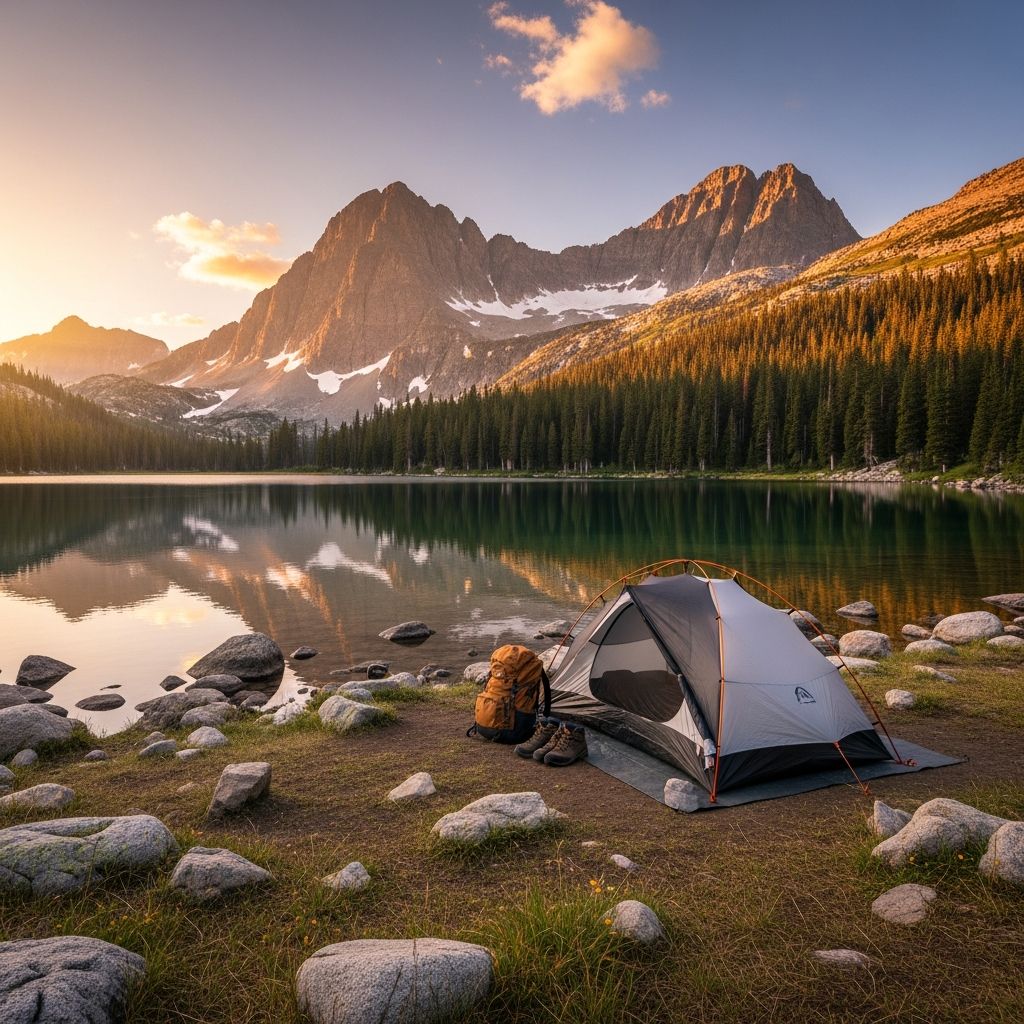
Free camping, also known as dispersed or boondocking, allows adventurers to experience the great outdoors without campground fees. Covering vast public lands like National Forests and BLM areas, these sites offer solitude and stunning views if you know where to look. This guide details locations, tools, rules, and tips to find and enjoy them responsibly.
Understanding Dispersed Camping
Dispersed camping means camping outside designated campgrounds on public lands, typically without amenities like water or toilets. It’s free but requires self-sufficiency: pack in all supplies, pack out waste, and follow Leave No Trace principles. Stay 100-200 feet from water, trails, and roads to minimize impact. Limits are often 14 days per spot.
Public lands managed by federal and state agencies make up nearly 30% of the US, providing millions of acres for free camping. National Forests span 193 million acres across 154 forests, while BLM oversees 247 million acres mostly in the West.
National Forests and Grasslands
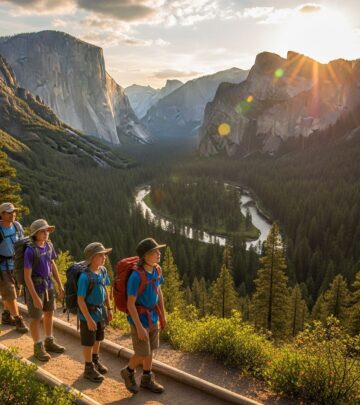
National Forests and 20 Grasslands, managed by the US Forest Service (USFS) under the Department of Agriculture, welcome dispersed camping in most areas unless posted otherwise. Unlike fee-heavy National Parks, these lands have fewer restrictions on pets and fires (obey local rules).
Expect primitive sites off dirt roads or pullouts. Pick spots with existing fire rings to contain impact. Fire permits may be required in dry seasons; check for restrictions.
- Key Rules: 14-day limit, no camping within 1/4 mile of developed sites, bury human waste 6-8 inches deep.
- Preparation: High-clearance vehicle recommended; bring water, firewood, and trash bags.
To locate sites, use the USFS Interactive Visitor Map or buy motor vehicle use maps (MVUMs) at ranger stations or stores. Apps like freecampsites.net overlay user reviews on forest boundaries.
Bureau of Land Management (BLM) Land
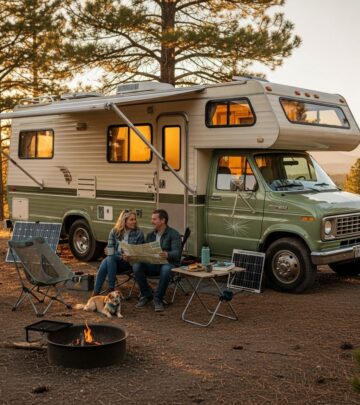
BLM, part of the Department of the Interior, manages 247 million acres in 12 western states: Alaska, Arizona, California, Colorado, Idaho, Montana, Nevada, New Mexico, Oregon, Utah, Washington, Wyoming. Dispersed camping is allowed outside developed areas, ideal for RVs with high clearance.
BLM lands feature open deserts, canyons, and mountains. Day-of spotting is common, but planning reveals gems. Practice Leave No Trace strictly—no services provided.
- Stay Limit: 14 days in 28-day period; move 25 miles after.
- Fire Safety: Use existing rings; extinguish completely.
Find spots via BLM’s official navigator map or state-specific resources. The USFS & BLM Campgrounds app lists over 5,800 low/no-cost sites for $0.99.
State Forests, Parks, and Wildlife Areas
Many states offer free primitive camping in forests, trust lands, game areas, and parks. Regulations vary: some require free permits, others limit to designated spots. Eastern and Midwestern states like Michigan, Wisconsin, Minnesota have abundant state forest options.
Check state DNR or parks websites for rules—fire bans, group sizes, seasons apply. Contact rangers for current info.
| State Example | Free Camping Availability | Notes |
|---|---|---|
| Michigan | State Forests | Free with recreation passport for vehicles. |
| Arizona | State Trust Lands | Permit required ($ various activities). |
| Colorado | State Wildlife Areas | Primitive sites; check hunting seasons. |
Pro tip: State lands fill gaps where federal options are scarce.
National Wildlife Refuges and Other Public Lands
Some National Wildlife Refuges (managed by US Fish & Wildlife) permit dispersed camping in remote areas, but rules are strict—verify per refuge. Avoid sensitive habitats.
County and city lands occasionally offer free spots near reservoirs or trails. Always confirm legality to avoid fines.
Apps and Websites for Finding Free Campsites
Digital tools revolutionize spot-hunting with GPS, reviews, and overlays.
- Freecampsites.net: Interactive map with community ratings; filters free/cheap sites.
- Campendium: Free basic app for RVs/tents; user photos/reviews.
- Ioverlander: User-submitted global spots, including dumps/water.
- Ultimate US Public Campgrounds: $3.99 app with 50,000+ sites.
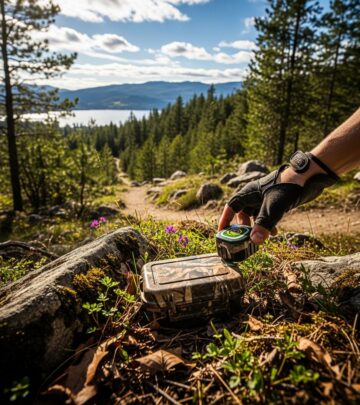
- onX Offroad: Detailed land ownership layers for off-road access.
Cross-reference with official MVUMs for accuracy. No cell service? Download offline maps.
Private Lands and Alternatives
Harvest Hosts and Boondockers Welcome connect campers with hosts (farmers, wineries) for free stays, often with fees for premium access. Hipcamp lists private free/cheap spots.
Rest areas, Walmarts allow overnight (check policies), but not true camping. Avoid for long stays.
Essential Tips for Successful Free Camping
Plan ahead: Research weather, road conditions, water sources. Travel light; solar panels, water filters essential for extended trips.
- Vehicle Prep: 4×4 or high clearance; spare tire, recovery gear.
- Safety: Share itinerary, bear spray in wildlife areas, avoid solo night hikes.
- Ethics: If full, keep driving—overuse closes sites.
Winter camping? Insulate water lines, check closures.
Legal Considerations and Common Mistakes
Fines for illegal camping reach $500+; stick to public lands. No drones in wilderness, quiet hours mandatory. Posts on social media can overcrowd spots—be discreet.
Mistakes: Ignoring fire bans (wildfire risk), littering, camping too close to features.
Frequently Asked Questions (FAQs)
Q: Is free camping legal everywhere in the US?
A: No, only on designated public lands like National Forests and BLM. Always check signs and maps; private land requires permission.
Q: How long can I stay at a dispersed site?
A: Typically 14 days, then relocate. BLM requires 25-mile move.
Q: Do I need permits for free camping?
A: Rarely for federal dispersed; some states/forests require free fire permits. Check locally.
Q: Best apps for beginners?
A: Start with freecampsites.net and Campendium for maps/reviews.
Q: Can I bring my RV?
A: Yes, on suitable roads; high clearance advised for rough terrain.
Q: What about the East Coast?
A: Fewer BLM, but state forests abundant in Midwest/East.
Leave No Trace Principles
Preserve sites:
- Plan and prepare.
- Travel on durable surfaces.
- Camp on previously used sites.
- Pack out all waste.
- Minimize campfire impact.
- Respect wildlife.
- Be considerate of others.
Follow these for sustainable adventures.
References
- Complete Guide to Finding Free Camping in the US — Chelsey Explores. 2023. https://www.chelseyexplores.com/guide-to-finding-free-camping/
- Guide to Free Camping in the USA — Travellers Autobarn. 2023. https://www.travellers-autobarnrv.com/guide-to-free-camping-in-the-usa
- Wild Camping: How to Find the Best Free Campsites in the US — Two Dusty Travelers. 2023. https://www.twodustytravelers.com/blog/how-to-find-the-best-free-campsites-in-the-us
- Step by Step Guide to Finding Free Dispersed Camping in the U.S. — Felicia Fullwood. 2023. https://feliciafullwood.com/blog/how-to-find-free-camping-usa
- Ultimate Guide to Finding Free Camping Spots — Adventure Out There. 2025-11-21. https://theadventureoutthere.com/2025/11/21/ultimate-guide-to-finding-free-camping-spots/
- Free Campsites — FreeCampsites.net. Accessed 2026. https://freecampsites.net
- Camping | Bureau of Land Management — BLM.gov. Accessed 2026. https://www.blm.gov/programs/recreation/camping
Similar Articles








Read full bio of Sneha Tete