How to Find Financial Help After a Hurricane
Recover financially from hurricane damage with expert guidance on insurance claims, government aid, loans, and relief programs.
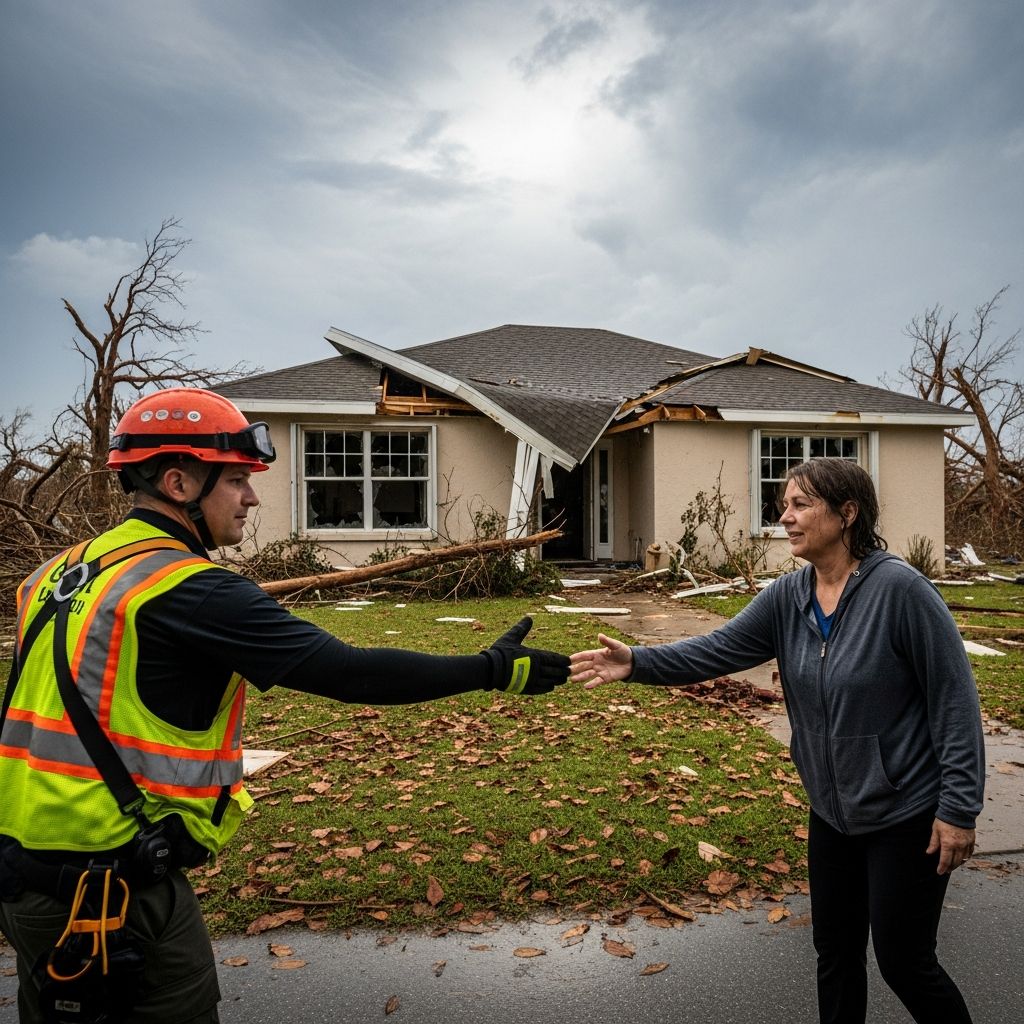
Hurricanes leave trails of destruction, damaging homes, businesses, and livelihoods. In the immediate aftermath, securing financial help is crucial for recovery. This guide outlines key resources, from insurance claims to government aid and private financing options, helping homeowners, renters, and business owners navigate the process efficiently.
Assess the Damage and Document Everything
Before seeking financial help, thoroughly assess and document all damage. Take photos and videos of affected areas, including structural issues, personal property, and surroundings. Keep receipts for cleanup, temporary housing, and repairs. This documentation is essential for insurance claims, government assistance applications, and tax deductions.
Contact your insurance company immediately if you have a policy. Standard homeowners insurance covers wind damage, but flood damage requires separate NFIP (National Flood Insurance Program) coverage. Review your policy to understand deductibles and exclusions. Delays in filing can complicate approvals.
Contact Your Insurance Provider First
Insurance is often the primary source of financial recovery. Homeowners should file claims promptly for covered losses like roof damage or fallen trees. Adjusters will inspect and estimate repair costs. If disputes arise, request a second opinion or consult independent experts.
- Wind vs. Flood Damage: Distinguish between covered wind perils and excluded floods to avoid claim denials.
- Temporary Living Expenses: Many policies cover hotel stays or rentals if your home is uninhabitable.
- Claims Timeline: Act within policy deadlines, typically 1-2 years, but sooner improves outcomes.
For those without adequate coverage, underinsurance highlights the need for policy reviews before storms. Renter’s insurance similarly protects personal belongings.
Government Assistance Programs
Federal, state, and local governments provide substantial aid after presidentially declared disasters. Start with FEMA’s Individuals and Households Program (IHP), offering grants for uninsured losses like temporary housing and home repairs. Average awards vary: Hurricane Sandy averaged $7,950, while recent events like Florence provided similar support.
Apply online at DisasterAssistance.gov or call 1-800-621-3362. Eligibility requires residency in declared areas and proof of need. Grants are non-repayable but limited; they don’t cover all costs.
SBA Disaster Loans
The U.S. Small Business Administration (SBA) offers low-interest loans up to $200,000 for home repairs and $40,000 for personal property in declared disasters. Rates are competitive (around 4% fixed for homeowners), with terms up to 30 years. Collateral is needed for loans over $25,000, but secondary homes are ineligible.
- Physical Disaster Loans: Repair primary residence to pre-disaster condition.
- Business Loans: Up to $2 million for physical damage or economic injury.
- Refinancing: Possible for existing mortgages if insurance falls short.
Apply at SBA.gov or disaster centers. Approval prioritizes creditworthy applicants with no other recourse.
USDA Rural Repair Loans and Grants
For rural residents, USDA Section 504 loans up to $20,000 and grants up to $7,500 assist low-income homeowners (under 50 must meet income limits). Combine for up to $27,500. Properties must be in eligible areas; check usda.gov for specialists.
Tax Relief and IRS Extensions
Hurricanes qualify for casualty loss deductions on federal taxes if losses exceed 10% of adjusted gross income (after $100 floor). Itemize on Schedule A. Qualified disasters allow penalty-free retirement withdrawals up to $22,000 from 401(k)s or IRAs within 180 days.
The IRS automatically extends filing and payment deadlines for affected areas (e.g., 2026 hurricanes may push deadlines to May 1). Check IRS.gov/disasterrelief for updates. State tax agencies often mirror federal relief.
| Tax Benefit | Details | Eligibility |
|---|---|---|
| Casualty Loss Deduction | Deduct uninsured losses | Federally declared disaster |
| Retirement Penalty Waiver | Up to $22,000 from IRAs/401(k) | Within 180 days of declaration |
| Filing Extensions | Automatic for disaster areas | Residency in affected zones |
Banking and Lender Relief
Mortgage servicers offer forbearance, suspending payments temporarily. Contact them first, as recommended by the Mortgage Bankers Association. Credit card issuers and auto lenders may defer payments or waive fees. Banks like Bank of Tennessee provide cleanup kits and counseling post-Helene.
USA.gov lists help for utilities, student debt, and more. High-yield savings for emergency funds (aim for 3-6 months expenses) prevents debt reliance.
Private Loans and Credit Options
For quick cash, personal loans ($1,000-$35,000, 6-36% APR) or credit cards suit minor repairs. Personal loans are unsecured with fixed rates but may have origination fees.
- Pros: Fast funding, no collateral.
- Cons: Higher rates for poor credit; compare via aggregators.
0% intro APR cards work if paid off promo period ends, avoiding deferred interest. Average APR is 15.54%, lower for excellent credit.
Charitable Organizations and Community Aid
Non-profits like United Policyholders, Red Cross, and state funds (e.g., NCBA Hurricane Helene Relief) offer grants. American Bankers Association donates to Florida, NC, TN funds post-Milton/Helene.
Local resources: ReadyNC.org for North Carolina; similar for other states. Avoid scams by verifying via official sites.
Prevent Future Financial Losses
Build emergency savings in high-yield accounts. Review insurance annually, adding flood coverage. Elevate valuables; consider SBA mitigation loans for storm-proofing.
Frequently Asked Questions (FAQs)
What should I do first after a hurricane?
Prioritize safety, then document damage and contact insurance. Apply for FEMA aid promptly.
Do I qualify for FEMA grants?
Yes, if in a declared disaster area with uninsured losses. No repayment required.
What’s the difference between SBA loans and FEMA grants?
FEMA: Non-repayable grants for basics. SBA: Low-interest loans for repairs, requiring repayment.
Can I deduct hurricane losses on taxes?
Yes, for qualified disasters exceeding income thresholds.
How do I avoid contractor scams?
Use licensed pros, get multiple bids, pay in stages, verify via state licensing boards.
Conclusion
Financial recovery post-hurricane demands swift, informed action. Leverage insurance, government programs, and relief funds to rebuild stronger. Stay proactive with savings and coverage to mitigate future risks.
References
- Hurricane Florence: Financial Options for Home Repair — United Policyholders. 2018. https://uphelp.org/hurricane-florence-aftermath-the-best-financial-options-for-repairing-your-home/?print=print
- Hurricane Tax Relief: 4 Tips to Weather Financial Aftermath — Bankrate. 2024-10-15. https://www.bankrate.com/taxes/hurricane-related-tax-relief-4-tips-to-help-you-weather-the-financial-aftermath/
- Responding to Hurricanes Milton and Helene — American Bankers Association. 2024-10-20. https://www.aba.com/about-us/aba-foundation/disaster-relief/responding-to-hurricanes-milton-and-helene
- How To Get Financial Assistance After A Natural Disaster Strikes — Bankrate. 2025-01-10. https://www.bankrate.com/personal-finance/where-to-find-cash-after-disaster/
- Financial assistance after a disaster — USAGov. 2025-12-01. https://www.usa.gov/disaster-financial-help
Similar Articles








Read full bio of medha deb