How to Find Ethically Sourced Products You Can Afford
Discover practical strategies to buy ethical, fair trade products without overspending on premium prices.
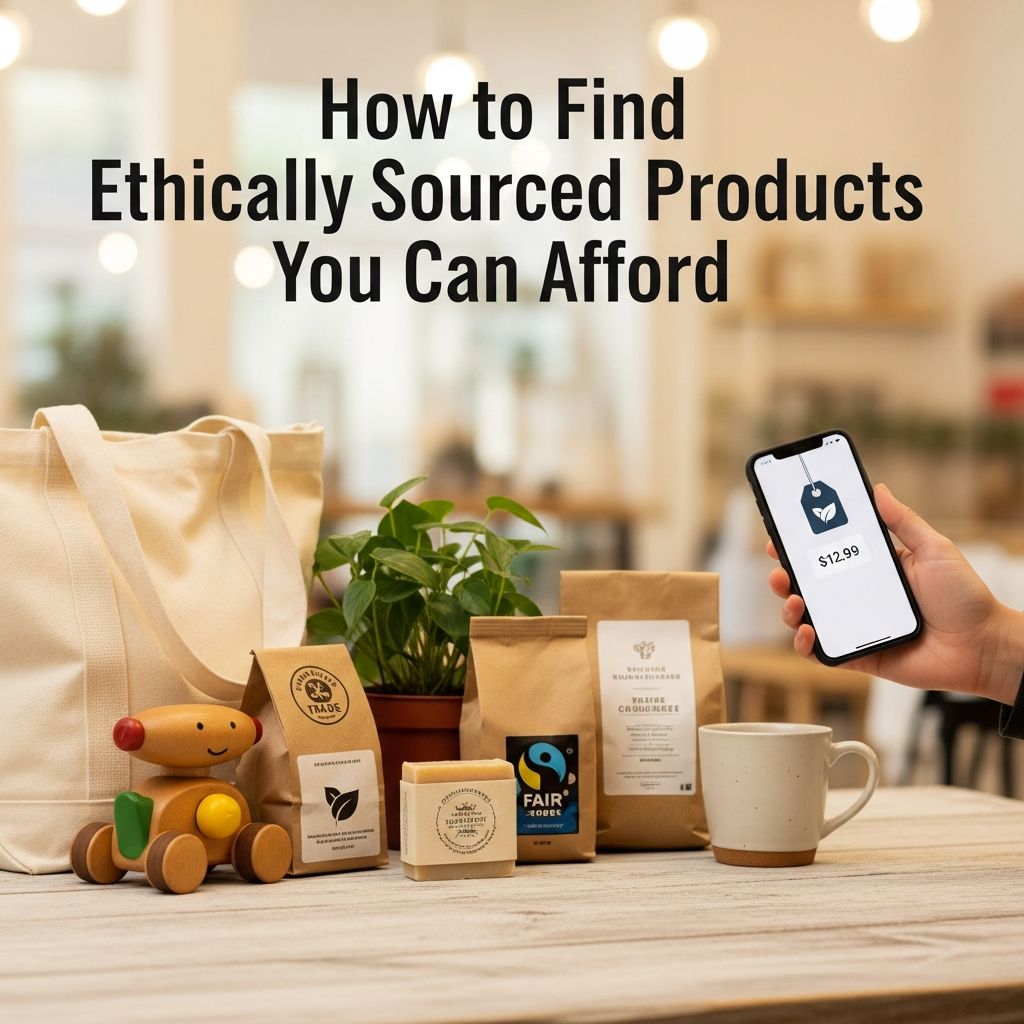
Ethically sourced products prioritize fair labor, environmental sustainability, and transparent supply chains, but they often come with higher price tags. Ethical sourcing ensures materials come from suppliers adhering to fair labor practices, avoiding child or forced labor and unsafe conditions, as highlighted in industry guides. Fortunately, smart strategies allow consumers to access these products affordably while supporting positive change. This guide covers practical ways to integrate ethics into everyday shopping without financial strain, drawing from proven consumer tactics and brand examples.
Understand What Ethical Sourcing Really Means
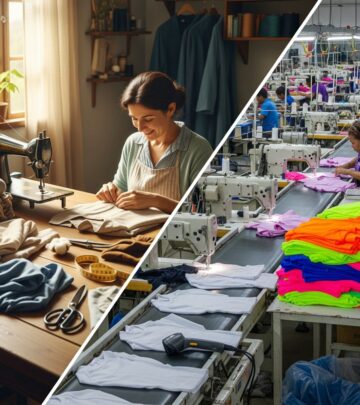
Ethical sourcing involves procuring materials and products from suppliers that uphold fair wages, safe working conditions, and environmental standards. In apparel, for instance, it addresses issues like outsourced labor in low-wage countries, aligning with UN Sustainable Development Goals for decent work. Consumers increasingly demand this, rejecting greenwashing and favoring brands with verifiable practices. Key metrics include traceability, employee well-being, raw material origins, and governance.
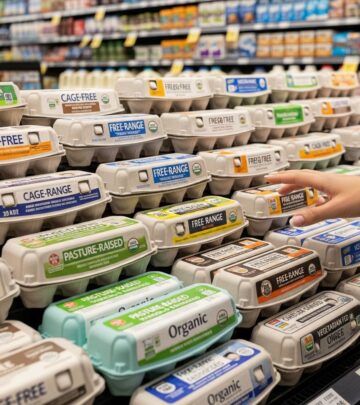
Not all ‘ethical’ labels are equal. Certifications like Fair Trade guarantee minimum prices for producers, while GOTS (Global Organic Textile Standard) ensures organic materials and ethical labor. B-Corp certification evaluates overall company impact. Research company websites for supply chain transparency—leaders like H&M publish 98.5% of supplier details quarterly. This knowledge empowers budget-conscious shoppers to spot genuine ethics versus marketing hype.
Look for Certifications and Labels
Labels simplify ethical shopping. Start with recognizable seals:
- Fair Trade: Ensures fair prices and community investments for products like coffee and clothing.
- GOTS Organic: Verifies organic fibers and prohibits harmful chemicals or exploitative labor.
- B-Corp: Assesses social and environmental performance across operations.
- Made in USA/EU: Often implies stricter labor laws, reducing risks of overseas exploitation.
These aren’t free—certified goods cost more due to audits—but sales and off-brands offer entry points. Starbucks’ C.A.F.E. practices, verified by third parties, set coffee industry standards while maintaining profitability. Scan labels and use apps like Good On You for quick ethics ratings.
Shop Secondhand and Thrift Stores
Thrifting bypasses new production ethics entirely, cutting demand for questionable supply chains. Platforms like ThredUp, Poshmark, and eBay yield high-quality ethical brands (e.g., Patagonia fleeces) at 70-90% discounts. Local Goodwill or Salvation Army stores stock donations from conscious consumers.
Benefits extend beyond cost: secondhand reduces landfill waste and carbon emissions from manufacturing. Pro tip: Focus on durable items like organic cotton tees or fair-trade bags. Apps like Depop connect you to vintage ethical fashion, often cheaper than fast fashion equivalents. Patagonia repairs gear for life, extending product longevity and affordability.
Buy Local and Support Small Producers
Local artisans and farmers markets offer traceability you can’t get from global chains. Farmers markets provide ethically grown produce without import emissions. Etsy sellers often detail small-batch, fair-wage production.
Community-supported agriculture (CSA) shares and local co-ops lock in seasonal, sustainable goods at bulk rates. In apparel, independent designers source domestically, avoiding overseas pitfalls. Visiting factories or farms builds trust—many offer affordable direct sales. This supports regional economies and ensures living wages, mirroring Patagonia’s supply chain overhaul for organic cotton.
Use Online Tools and Apps for Deals
Technology democratizes ethical shopping. Apps like:
- Good On You: Rates 3,500+ brands on labor, environment, and animals.
- Buycott: Scans barcodes to reveal company ethics and boycotts.
- Thrift+: Curates ethical secondhand from verified sellers.
- Honey/ Rakuten: Applies coupons to ethical retailers like Everlane.
Websites like Ethical Consumer provide rankings based on audits. Subscription boxes (e.g., ethical snack services) deliver curated, affordable variety. Track sales calendars—Black Friday often hits fair-trade outlets hard.
Opt for Bulk Buying and Subscriptions
Bulk purchases lower per-unit costs for staples like coffee or nuts. Co-ops like Azure Standard offer Fair Trade organics at wholesale. Dr. Pepper Snapple Group uses UN metrics for supplier ethics, proving scalable responsibility.
Subscriptions from ethical brands (e.g., Thrive Market for GMO-free bulk) save 20-50%. Join buying groups on Facebook for shared shipments, slashing fees. This mirrors Better Cotton’s traceability innovations.
Prioritize Versatile, Durable Items
Invest in multi-use, long-lasting products to maximize value. A fair-trade wool blanket lasts decades versus cheap synthetics. Patagonia’s repair program exemplifies this—ethical durability pays off.
| Fast Fashion | Ethical Durable | Long-term Savings |
|---|---|---|
| $20 shirt, washes out in 6 months | $50 organic shirt, lasts 5 years | $10/year vs. $40/year |
| High waste/emissions | Low impact, repairable | Aligns with values |
Focus on timeless designs in natural fibers for ethics and economy.
Build a Budget for Ethical Swaps
Allocate 10-20% of your shopping budget to ethical upgrades. Start small: swap one coffee brand for Fair Trade. Track savings from reduced waste (e.g., bulk rice cuts packaging). Use cashback sites for ethical purchases.
Challenge: No-spend months on non-essentials fund bigger buys. H&M’s recycled goals show ethics and profits coexist. Over time, mindful spending aligns finances with principles.
Frequently Asked Questions (FAQs)
Q: Are ethically sourced products always more expensive?
A: Not always—secondhand, sales, and bulk options make them comparable or cheaper long-term through durability.
Q: How do I verify a brand’s ethical claims?
A: Check third-party certifications, supplier lists, and audits on company sites. Use apps like Good On You for independent ratings.
Q: Can small budgets support ethical shopping?
A: Yes, prioritize thrift stores, local markets, and versatile items to stretch dollars while making impact.
Q: What’s the environmental benefit of ethical buying?
A: Reduces waste, emissions, and resource depletion via sustainable materials and fair labor.
Q: Which companies lead in ethical sourcing?
A: Patagonia (organic cotton), Starbucks (C.A.F.E.), H&M (transparency), and Dr. Pepper (UN metrics).
Conclusion: Make Ethics Accessible
Ethical shopping evolves from luxury to norm as tools and awareness grow. By leveraging certifications, secondhand, local options, apps, bulk buys, durability, and budgeting, anyone can afford to vote with their wallet. Brands like Patagonia prove ethics boosts reputation and loyalty. Start today—small swaps compound into significant change for workers, planet, and your finances.
References
- A Beginner’s Guide to Ethical Sourcing for Apparel Brands — ESW. 2023. https://esw.com/a-beginners-guide-to-ethical-sourcing-for-apparel-brands-2/
- 4 Companies Who Succeed by Focusing on Ethical Sourcing and Manufacturing — Trade Ready. 2018-10-01. https://tradeready.ca/2018/topics/supply-chain-management/4-companies-succeed-focusing-ethical-sourcing-manufacturing/
- A Guide to Ethical Shopping — SoFi. 2024. https://www.sofi.com/learn/content/guide-to-ethical-shopping/
Similar Articles








Read full bio of Sneha Tete