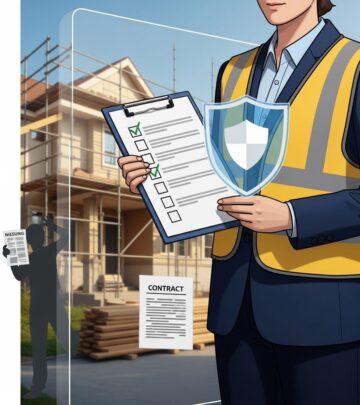
How to Find and Hire a Reliable Contractor
Essential guide to discovering, vetting, and hiring trustworthy contractors for your home projects without costly mistakes.

Hiring a reliable contractor is crucial for any home improvement project to ensure quality work, timely completion, and avoidance of costly disputes. This guide outlines a systematic approach from sourcing candidates to final payment, drawing on best practices for homeowners.
1. Get Referrals
The most effective way to find a reliable contractor starts with personal recommendations. Ask friends, family, neighbors, and coworkers who have recently completed similar projects for their contractors’ contacts. These referrals provide real-world insights into reliability, workmanship, and professionalism.
Visit local home improvement stores like Home Depot or Lowe’s and inquire about recommended contractors. Online platforms such as Angie’s List (now Angi), Yelp, or HomeAdvisor can supplement referrals, but prioritize verified reviews from known sources. Aim for at least three to five referrals to compare options.
- Focus on referrals from projects matching yours in scope and size.
- Request details on the contractor’s communication, adherence to budget, and cleanup.
- Verify if the referrer would hire the contractor again.
2. Check Credentials
Once you have potential candidates, verify their credentials thoroughly. Confirm they hold a valid contractor’s license through your state’s licensing board website, such as the California Contractors State License Board (CSLB) for California residents. Unlicensed work can lead to fines and voided insurance claims.
Request proof of general liability insurance and workers’ compensation coverage. Call the insurance provider to verify policies are current and adequate—minimum coverage should be $1 million for liability. Check for complaints via the Better Business Bureau (BBB) and state contractor boards.
| Credential | How to Verify | Why It Matters |
|---|---|---|
| License | State board website | Ensures legal qualification and accountability |
| Insurance | Direct call to insurer | Protects against accidents and damages |
| BBB Rating | BBB.org | Indicates complaint history and resolution |
3. Interview Multiple Contractors
Schedule interviews with at least three contractors to assess fit. Prepare a list of key questions to evaluate experience, approach, and reliability. Discuss project scope, timeline, and challenges upfront.
Observe their professionalism: punctuality, preparation, and attentiveness. Ask for references from the past three projects and contact them to gauge satisfaction.
- Discuss how they handle unexpected issues like material delays.
- Evaluate their questions about your project—good contractors probe for details.
- Note if they pressure for immediate commitment.
4. Ask the Right Questions
Asking targeted questions reveals a contractor’s expertise and honesty. Key inquiries include:
- Do you have a contracting license? Verify specifics and expiration.
- What insurance do you carry? Liability and workers’ comp details.
- How long have you been in business? Prefer 5+ years for complex projects.
- Can you provide recent references? Contact at least three.
- What is your estimate process? Expect detailed, itemized bids.
- How do you handle change orders? Require written approval.
- Who will supervise my job? Confirm on-site presence.
- What is your payment schedule? Avoid large upfront payments.
These questions, adapted from industry standards, help identify red flags like evasive answers or lack of documentation.
5. Get Three Estimates
Obtain written estimates from each contractor for accurate comparison. It’s standard practice to get three bids to establish a realistic cost range—selecting the lowest without scrutiny risks poor quality.
Ensure estimates are detailed: materials, labor, timeline, and contingencies. Compare apples-to-apples by standardizing project specs. Beware of bids significantly lower or higher without explanation.
- Request fixed-price bids when possible for predictability.
- Clarify inclusions/exclusions, like permits or cleanup.
- Set a deadline for estimate validity, typically 30 days.
6. Check References
References are your final vetting step. Call every provided contact and ask pointed questions: Was the project completed on time and budget? How was communication? Any disputes? Would you hire them again?
Visit completed projects if permitted to inspect workmanship personally. Cross-check online reviews but discount unverified ones. Strong, consistent positive feedback across sources signals reliability.
7. Review the Contract
Never proceed without a detailed written contract—verbal agreements lead to disputes. A solid contract protects both parties and outlines expectations clearly.
Essential elements include:
- Full project description and specifications.
- Start and completion dates with penalties for delays.
- Payment schedule (e.g., 10-30% deposit, progress payments, final upon inspection).
- Change order process requiring written approval.
- Warranties on work and materials.
- Termination clauses and dispute resolution.
- Contractor and homeowner signatures with dates.
Consult a lawyer or use templates from state consumer protection agencies for complex projects.
8. Understand Payment Schedules
Payment terms prevent cash flow issues and ensure performance. Standard schedules tie payments to milestones:
| Milestone | Typical Payment % |
|---|---|
| Deposit (materials mobilization) | 10-30% |
| Foundation/Framing Complete | 20-30% |
| Rough-Ins Done | 20-25% |
| Interior Finishes | 15-20% |
| Final Inspection/Cleanup | 5-10% (retainage) |
Never pay more than 30% upfront. Withhold 5-10% final payment until walkthrough satisfaction. Use checks or electronic transfers for records; avoid cash.
9. Watch for Red Flags
Spotting warning signs early avoids disasters. Common red flags include:
- Demanding large upfront payments (over 30%) or all cash.
- No written contract or pressure to start immediately.
- Vague estimates or bids too good to be true.
- Poor references or unwillingness to provide them.
- Unlicensed or uninsured status.
- Frequent subcontractor changes or no clear supervision.
- History of liens or complaints via public records.
If multiple flags appear, walk away—plenty of reliable contractors exist.
10. Monitor Progress
Active oversight ensures quality without micromanaging. Schedule regular site visits and progress meetings. Document everything: photos, emails, changes.
- Approve changes in writing before proceeding.
- Address issues immediately and politely.
- Keep a project log for disputes.
Trust but verify—daily check-ins for large jobs catch problems early.
Frequently Asked Questions (FAQs)
Q: How many contractor estimates should I get?
A: Three written estimates provide a solid cost benchmark without overwhelming comparisons.
Q: What if a contractor demands full payment upfront?
A: Decline—it’s a major red flag indicating potential abandonment or poor financials.
Q: Can I hire an unlicensed contractor for small jobs?
A: Not recommended; many areas require licenses for jobs over $500, and you’re liable for issues.
Q: How do I handle delays?
A: Refer to contract penalties; communicate causes and adjust timelines reasonably.
Q: What warranties should I expect?
A: At least 1-year workmanship warranty; materials per manufacturer specs.
Final Tips for Success
Clear communication, detailed documentation, and trust in vetted professionals lead to successful projects. Budget 10-20% contingency for surprises. Post-project, leave honest reviews to help others.
References
- Hiring independent contractors in 8 Steps | Complete Guide — Wise. 2023. https://wise.com/us/blog/batchtransfer-hiring-independent-contractors
- How to Hire Quality Contractors — Wise Investor Collective. 2024. https://wiseinvestorvault.com/products/how-to-hire-quality-contractors
- How to Find and Hire a Reliable Contractor — Wise Bread. 2015-01-12. https://www.wisebread.com/how-to-find-and-hire-a-reliable-contractor
- 8 Questions to Ask Contractors Before Hiring One — Wise Bread. 2015-01-12. https://www.wisebread.com/8-questions-to-ask-contractors-before-hiring-one
- California Contractors State License Board Verification Guide — CSLB (State of California). 2025-10-01. https://www.cslb.ca.gov/
Similar Articles








Read full bio of Sneha Tete