How to Fill Out a Money Order: Step-by-Step Guide
Master filling out money orders with our detailed step-by-step guide to ensure secure, error-free payments every time.
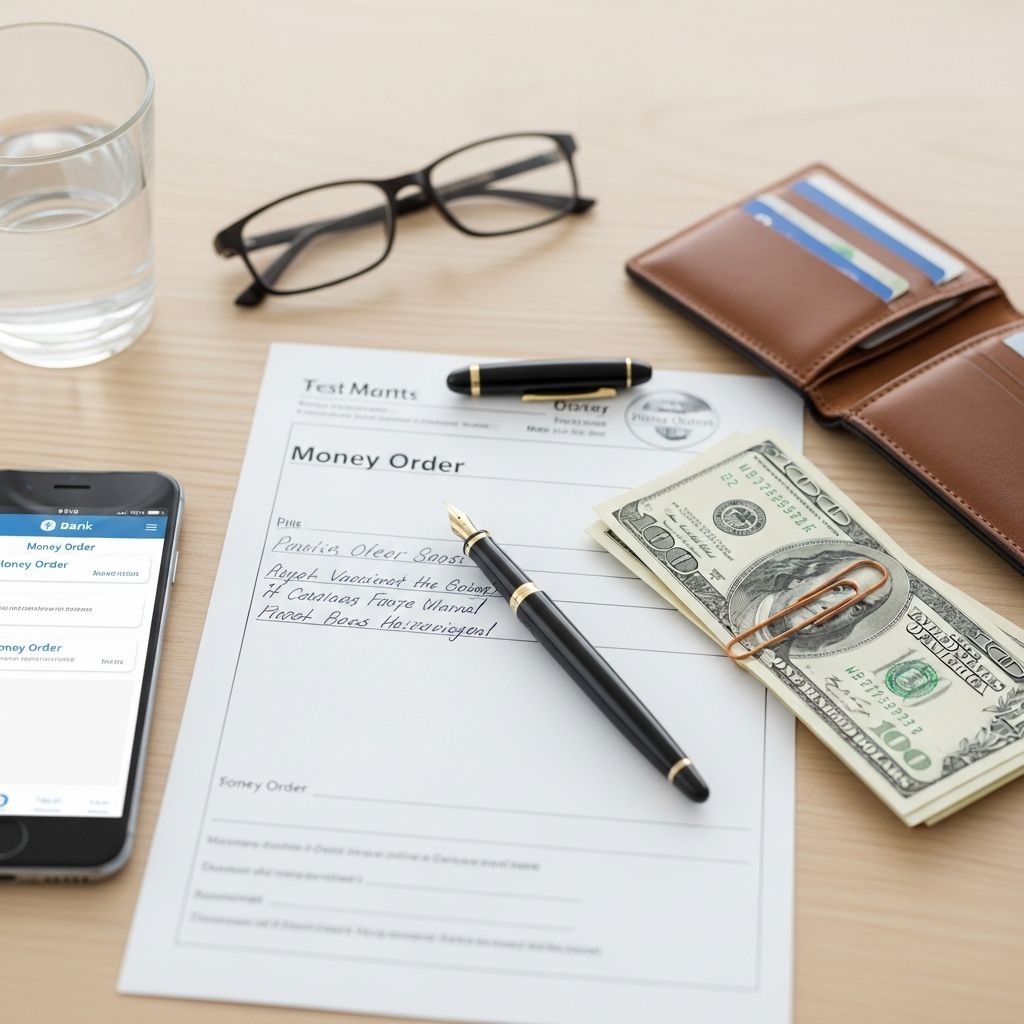
Money orders provide a secure way to send payments without the risks associated with checks or cash. Unlike personal checks, money orders are prepaid and guaranteed by the issuer, making them ideal for rent, bills, or gifts to recipients without bank accounts. Filling one out correctly ensures the funds reach the intended payee without delays or issues.
What Is a Money Order and When Should You Use One?
A
money order
is a prepaid payment instrument similar to a check but backed by the issuing institution, such as the United States Postal Service (USPS), Western Union, or MoneyGram. Issued for a specific amount, it cannot be altered once purchased, reducing fraud risk. Use money orders when:- Sending money to family or friends without bank accounts.
- Paying rent, utilities, or court fees where cash or checks aren’t accepted.
- Needing a traceable, secure alternative to cash for mail or in-person payments.
- Avoiding overdraft risks since funds are prepaid.
According to the USPS, money orders are available at over 35,000 locations nationwide, with fees typically ranging from $1 to $5 depending on amount and issuer.
Where to Buy a Money Order
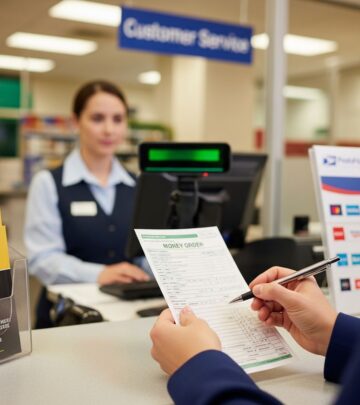
You can purchase money orders at various convenient locations:
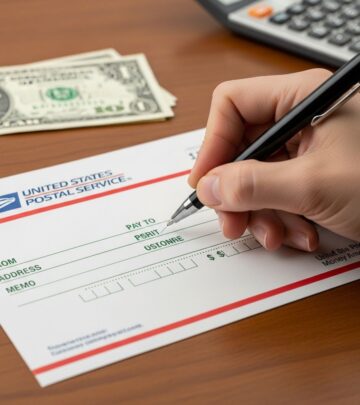
- Post Offices (USPS): Domestic up to $1,000; international up to $700. Fees: $2.10 for first $500, $2.95 over $500.
- Banks and Credit Unions: Often fee-free for account holders; limits vary.
- Grocery Stores, Convenience Stores, Pharmacies: Walmart, 7-Eleven, etc.; fees $0.70-$1.49; limits $500-$1,000.
- Check-Cashing Stores: Higher fees but available 24/7.
Always check ID requirements—most issuers demand two forms of ID, like a driver’s license and utility bill. Cash or debit is preferred; credit cards are rarely accepted due to fees.
Gather the Required Information Before Purchasing
Preparation prevents errors. Before heading to the issuer, collect:
- Your name and current mailing address: As the purchaser.
- Payment amount: Exact figure in numbers and words if required.
- Payee’s name: Full legal name or exact business name (e.g., “John Doe” not “John”).
- Payee’s address: If space provided.
- Reason for payment: Account number, invoice #, or purpose (e.g., “Rent for Apt 5B”).
- Acceptable payment: Cash, debit; note limits (e.g., no credit at USPS).
Pro tip: Write details on a notepad first to avoid mistakes on the actual form, as alterations can void it.
How to Fill Out a Money Order: Step-by-Step Instructions
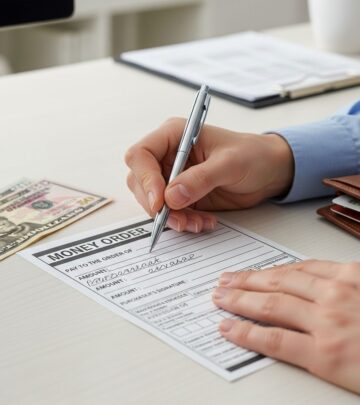
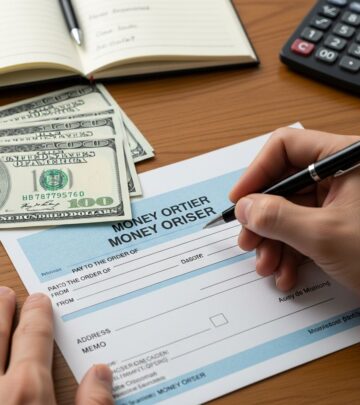
Fill out the money order immediately after purchase using a permanent pen (blue or black ink). Do not use pencil or erasable ink. Forms vary slightly by issuer, but key fields are standard. Here’s the precise order:
1. Write in the Payee’s Name
Locate the top section labeled
“Pay to the Order Of”
or“Pay To”
. Enter the full, exact name of the recipient. For businesses, use the legal entity name (e.g., “ABC Utilities Inc.”). Spell correctly—mismatches can prevent cashing. Do this first to protect against theft; a blank payee field allows anyone to fill it.2. Fill in Your Name as Purchaser
Find the
“Purchaser,” “From,” or “Sender”
field, usually below the payee. Write your full legal name clearly. This identifies you as the buyer for tracking and replacement purposes.3. Write in Your Address
If present, enter your current street address, city, state, ZIP in the
purchaser address
field. Some forms have a separate payee address spot—use it for theirs if billing requires it. Accuracy aids verification.4. Write Important Details in the Memo Line
The
“Memo,” “Re:,” “Account #,” or “Payment For”
section is crucial for bills. Note the account number, invoice ID, or purpose (e.g., “Account #123456, July Rent”). This ensures proper crediting, avoiding late fees.| Field | What to Write | Why It Matters |
|---|---|---|
| Payee / Pay To | Full legal name of recipient | Prevents fraud; must match ID for cashing |
| Purchaser / From | Your full name | Identifies sender for issuer records |
| Address | Your/payee’s mailing address | Creates audit trail |
| Memo / Account # | Account number or purpose | Links payment to specific bill |
| Signature | Your signature | Authorizes the transaction |
5. Sign Your Name
At the bottom, sign in the
“Purchaser’s Signature,” “Drawer,” or “Signer”
line on the front. The back is for the payee’s endorsement when cashing. Your signature activates the order—do not sign until all else is complete.After Filling Out the Money Order: Next Steps
Double-check everything: payee name, amount (if fillable), addresses, memo, signature. Errors require a replacement, costing time and fees.
- Pay the fee: $1-$5; cash/debit only at most spots.
- Get the receipt: Contains tracking/serial number. Essential for lost/stolen claims.
- Detach stub: If provided, keep for records.
- Mail or deliver securely: Use tracked mail; avoid leaving unattended.
If lost/stolen, contact issuer with receipt within 30-60 days (USPS: $18.95 replacement fee).
Money Order Fees and Limits Comparison
| Issuer | Fee (Up to $500) | Max Amount | Payment Methods |
|---|---|---|---|
| USPS | $2.10 | $1,000 domestic | Cash, debit |
| Western Union | $0.99-$1.49 | $1,000 | Cash, debit |
| Walmart | $1.00 | $1,000 | Cash, debit, traveler’s checks |
| Banks | $0-$3 | Varies | Account funds |
Common Mistakes to Avoid When Filling Out a Money Order
Steer clear of these pitfalls:
- Leaving payee blank: Invites fraud.
- Using pencil/erasable ink: Can be altered.
- Incorrect spelling: Delays cashing.
- Forgetting memo/account #: Payment misapplied.
- Signing back instead of front: Voids it.
- No receipt: Can’t track/replace.
Always fill in private; photocopy before sending for records.
Frequently Asked Questions (FAQs) About Money Orders
Q: Do I have to fill out a money order before paying for it?
A: No, purchase first, then fill immediately to secure it. Some locations require payee upfront.
Q: Can I use a credit card to buy a money order?
A: Rarely; most ban it to avoid cash advance fees. Use cash/debit.
Q: What if I make a mistake filling it out?
A: Don’t cross out—get a replacement with receipt (fees apply).
Q: How long does it take to cash a money order?
A: Instant at issuer; banks/post offices same-day with ID.
Q: Can businesses refuse money orders?
A: Yes, but rare; they’re as good as cash.
Q: What’s the difference between money order and cashier’s check?
A: Money orders for individuals/small amounts; cashier’s checks from banks for larger sums.
Safety Tips for Sending Money Orders
- Use certified/registered mail.
- Track online via receipt number.
- Never send to untrusted parties.
- Report non-delivery promptly.
References
- Postal Money Orders — United States Postal Service. 2024-01-15. https://www.usps.com/shop/money-orders.htm
- Money Services Business Guide — Consumer Financial Protection Bureau. 2023-06-01. https://www.consumerfinance.gov/consumer-tools/money-services/
- General Money Order Procedures — Federal Trade Commission. 2024-03-20. https://consumer.ftc.gov/articles/money-orders
- Domestic Money Orders — USPS Publication 383. 2025-01-01. https://about.usps.com/publications/pub383/pub383_001.htm
- Consumer Guide to Money Transfers — Federal Reserve Board. 2023-11-10. https://www.federalreserve.gov/consumerinfo/money-transfers.htm
Similar Articles








Read full bio of medha deb