Diminished Value After A Car Accident: 3 Types And 17C Guide
Learn how to file a diminished value claim and recover lost vehicle worth after an accident.

Understanding Diminished Value After a Car Accident
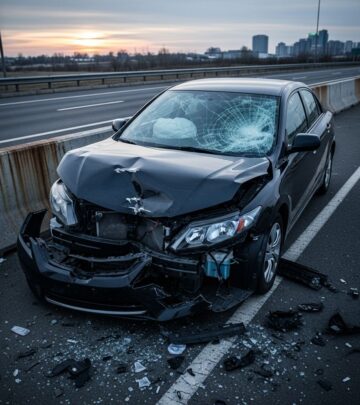
When your vehicle is damaged in an accident and repaired, it rarely returns to its original market value. This loss of worth is known as diminished value—the difference between what your car was valued at before the accident and its current worth afterward. Even if repairs are completed to a high standard, potential buyers and dealerships will pay less for a vehicle with an accident history. Understanding diminished value claims can help you recover some of the financial loss you experience when selling or trading in your damaged vehicle.
The concept of diminished value is straightforward: your car loses value simply because it has been in an accident, regardless of the quality of repairs. This loss is documented in vehicle history reports that prospective buyers can easily access. If you’re planning to sell or trade in your vehicle after an accident, filing a diminished value claim may help offset the reduced selling price you’ll receive.
Types of Diminished Value
There are three distinct types of diminished value that relate to how vehicles lose value after accidents:
Inherent Diminished Value
This is the most common and widely accepted form of auto accident diminished value. Inherent diminished value occurs when a vehicle loses value because it now has a documented history of damage, which appears in vehicle history reports such as Carfax or AutoCheck. This type assumes that repairs were completed to optimal quality standards and represents the decrease in value based solely on the accident history. Insurance companies recognize this type of diminished value in most claims.
Repair-Related Diminished Value
The second most common reason for diminished value claims involves the quality of repairs after accident damage. If repairs fail to fully restore your vehicle to its pre-accident condition—whether due to visible defects, poor craftsmanship, or operational issues—your vehicle will lose additional value beyond inherent diminished value. A botched repair affecting appearance or vehicle operation significantly increases the loss of value beyond what the accident history alone would cause.
Prejudicial Diminished Value
This third type of diminished value occurs when a vehicle sustains damage that cannot be completely restored to its pre-accident condition. Even with the best repair efforts, some vehicles retain visible signs of previous damage or never operate exactly as they did before the accident. This type of diminished value acknowledges that certain damage may be permanent or nearly impossible to fully repair.
Calculating Diminished Value Using the 17c Formula
Most insurance companies use a standardized calculation method called the 17c Diminished Value Formula to determine post-accident vehicle value. This formula originated from a Georgia claims case involving State Farm, where it appeared in paragraph 17, section c of the legal decision. Understanding this formula helps you verify whether insurance company offers are fair and accurate.
Step 1: Determine Your Vehicle’s Market Value
Begin by establishing your vehicle’s market value before the accident occurred. Use reliable valuation sources such as Kelley Blue Book or NADA Guides. These tools provide estimates based on your vehicle’s make, model, year, mileage, and condition. For example, if your vehicle’s estimated market value is $15,000 before the accident, this becomes your starting point for the calculation.
Step 2: Apply a 10% Cap to That Value
Insurance companies commonly apply a 10 percent cap—known as the base loss of value—to your vehicle’s market value. This cap represents the maximum amount an insurance company will pay on a diminished value claim. Using our $15,000 example: $15,000 × 0.10 = $1,500. This $1,500 is now the ceiling for your potential diminished value payout.
Step 3: Apply a Damage Multiplier
Next, insurance companies apply a damage multiplier based on the severity of structural damage your vehicle sustained. This multiplier ranges from 0.00 to 1.00 and significantly impacts your final claim amount. The damage multiplier table breaks down as follows:
| Multiplier | Damage Level |
|---|---|
| 1.00 | Severe structural damage |
| 0.75 | Major damage to structure and panels |
| 0.50 | Moderate damage to structure and panels |
| 0.25 | Minor damage to structure and panels |
| 0.00 | No structural damage |
In our example with moderate damage to structure and panels, you would multiply: $1,500 × 0.50 = $750.
Step 4: Apply a Mileage Multiplier
The final step involves applying a mileage multiplier that reflects how the vehicle’s age and usage affect its value retention. Newer vehicles with lower mileage retain value better and receive higher multipliers, while older, high-mileage vehicles receive lower multipliers:
| Multiplier | Mileage Range |
|---|---|
| 1.00 | 0–19,999 miles |
| 0.80 | 20,000–39,999 miles |
| 0.60 | 40,000–59,999 miles |
| 0.40 | 60,000–79,999 miles |
| 0.20 | 80,000–99,999 miles |
| 0.00 | 100,000+ miles |
For a vehicle with 20,000 miles, the calculation would be: $750 × 0.80 = $600.
Complete Calculation Example
To summarize the complete 17c formula for a vehicle with a $15,000 market value, moderate damage to structure and panels, and 20,000 miles:
Step 1: $15,000 × 0.10 = $1,500 (10% cap on market value)
Step 2: $1,500 × 0.50 = $750 (adjusted for moderate damage)
Step 3: $750 × 0.80 = $600 (adjusted for 20,000 miles)
Based on this calculation, an insurance company would pay a maximum of $1,500 for diminished value, but the final estimated payout would be $600 based on the specific damage and mileage factors. This demonstrates how quickly the diminished value compensation decreases when multiple adjustment factors are applied.
Is Filing a Diminished Value Claim Worth It?
Whether filing a diminished value claim makes sense depends on several factors related to your specific situation. A relatively new, low-mileage vehicle with extensive damage from an accident is more likely to result in a successful diminished value claim than an older, high-mileage vehicle with minor damage. The potential payout must justify the time and effort required to pursue the claim.
Importantly, you are unlikely to successfully file a diminished value claim if you were found to be at fault in the accident. At-fault drivers typically cannot recover diminished value from their own insurance under their collision coverage. However, if another driver was at-fault, you may have better prospects for recovering diminished value through the other driver’s liability insurance or your own uninsured motorist coverage.
Consider the following before pursuing a claim: the market value of your vehicle, the extent of damage it sustained, your vehicle’s current mileage, repair costs, and whether you plan to sell or trade in the vehicle soon. If you’re keeping the vehicle long-term and have no immediate plans to sell, a diminished value claim may not be practical despite having eligibility.
Steps to File a Diminished Value Claim
Once you’ve determined that filing a diminished value claim is worthwhile, follow these steps to maximize your chances of success.
Document everything: Gather comprehensive documentation including accident reports, repair estimates, repair receipts, and photos of damage. Keep records of vehicle valuation reports from Kelley Blue Book or NADA Guides showing your vehicle’s value before and after the accident.
Obtain repair estimates: Get detailed repair estimates from certified repair shops. These documents provide evidence of damage severity and repair costs, which insurance companies use to assess diminished value.
Research vehicle values: Use multiple valuation sources to establish your vehicle’s pre-accident market value. Compare values across different platforms to ensure accuracy.
Contact your insurance company: Reach out to your insurance agent or claims adjuster to inquire about diminished value claim procedures. Ask what documentation they require and their typical timeline for processing such claims.
Submit your claim: Provide all supporting documentation along with your formal diminished value claim. Include calculated values using the 17c formula and explain why you believe your claim is valid.
Negotiate if necessary: If the insurance company offers less than you believe is fair, don’t hesitate to negotiate. Present additional evidence and explain why their calculation may be inaccurate.
Frequently Asked Questions
Q: What exactly is diminished value?
A: Diminished value is the difference between your vehicle’s market value before an accident and its value after the accident, even if repairs are completed. It represents the financial loss you experience because your vehicle now has an accident history that reduces its resale or trade-in value.
Q: Why does a car lose value after being repaired from accident damage?
A: Vehicles lose value after accidents for several reasons. Prospective buyers and dealerships can access vehicle history reports showing accident damage. Even perfectly repaired cars are worth less because the damage history is permanent and documented. Additionally, concerns about potential hidden damage or future reliability issues cause buyers to offer lower prices.
Q: Is the 17c formula mandatory for all insurance companies?
A: While the 17c formula is the most widely used industry standard, it is not mandatory. Some insurance companies may use different calculation methods. However, most major insurers recognize the 17c formula as the standard, and using it provides a commonly accepted baseline for negotiating claims.
Q: Can I file a diminished value claim if I was at fault in the accident?
A: Filing a successful diminished value claim is significantly more difficult if you were at fault. Insurance companies are unlikely to pay diminished value to at-fault drivers under their collision coverage. However, if another party was partially at fault, you may have options through comparative negligence laws in some states.
Q: How long do diminished value claims typically take to process?
A: The timeline varies by insurance company and claim complexity. Some claims process within weeks, while others may take several months. Providing complete documentation upfront can help expedite the process. If you’re not satisfied with the timeline, contact your claims adjuster for updates.
Q: Are diminished value claims available in all states?
A: Diminished value claim availability varies by state. Some states recognize all three types of diminished value, while others recognize only inherent diminished value. A few states have restrictions on diminished value claims. Check your state’s insurance regulations or consult with your insurance agent to understand what’s available in your area.
Q: What if my insurance company denies my diminished value claim?
A: If your claim is denied, review the denial letter carefully to understand the reason. You can request reconsideration by providing additional documentation or evidence. If you believe the denial is unfair, you may file a complaint with your state’s insurance commissioner or consult with an attorney about your options.
Q: Should I hire an attorney for a diminished value claim?
A: For most straightforward diminished value claims, hiring an attorney may not be necessary. However, if your claim is substantial, disputed, or denied, legal representation can be valuable. An attorney can help negotiate with insurance companies and ensure you receive fair compensation.
Q: How do repair quality issues affect diminished value claims?
A: If repairs fail to restore your vehicle to its pre-accident condition, you can claim repair-related diminished value in addition to inherent diminished value. Document any visible defects, operational issues, or cosmetic problems resulting from substandard repairs to support this claim.
Q: Can I claim diminished value if I’m selling my car soon after the accident?
A: Yes, filing a diminished value claim before selling your vehicle makes practical sense. The actual reduced selling price you receive demonstrates the real financial impact of the accident. Keep documentation showing the difference between pre-accident and post-accident selling prices to support your claim.
References
- How to File a Diminished Value Claim — Bankrate. 2025. https://www.bankrate.com/insurance/car/diminished-value-claim/
- Diminished Value of a Car: Estimations After an Accident — Kelley Blue Book. 2024. https://www.kbb.com/car-advice/diminished-value-car-estimations-after-accident/
- Filing a Car Insurance Claim: A Step-by-Step Guide — Bankrate. 2025. https://www.bankrate.com/insurance/car/filing-a-car-insurance-claim/
- How to Negotiate With a Car Insurance Company After a Total Loss — Bankrate. 2024. https://www.bankrate.com/insurance/car/negotiate-with-insurance-company-after-total-loss/
- Factors That Impact Your Cost of Car Insurance — Bankrate. 2025. https://www.bankrate.com/insurance/car/rate-factors/
Similar Articles








Read full bio of medha deb