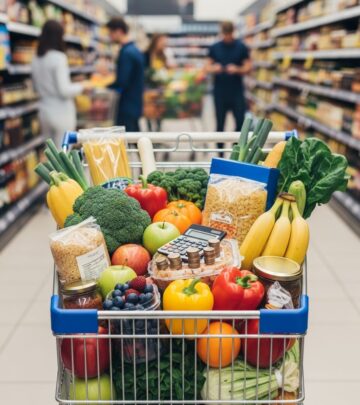
How to Feed a Large Family on a Small Budget
Practical strategies for feeding a big family affordably without sacrificing nutrition, time, or variety.
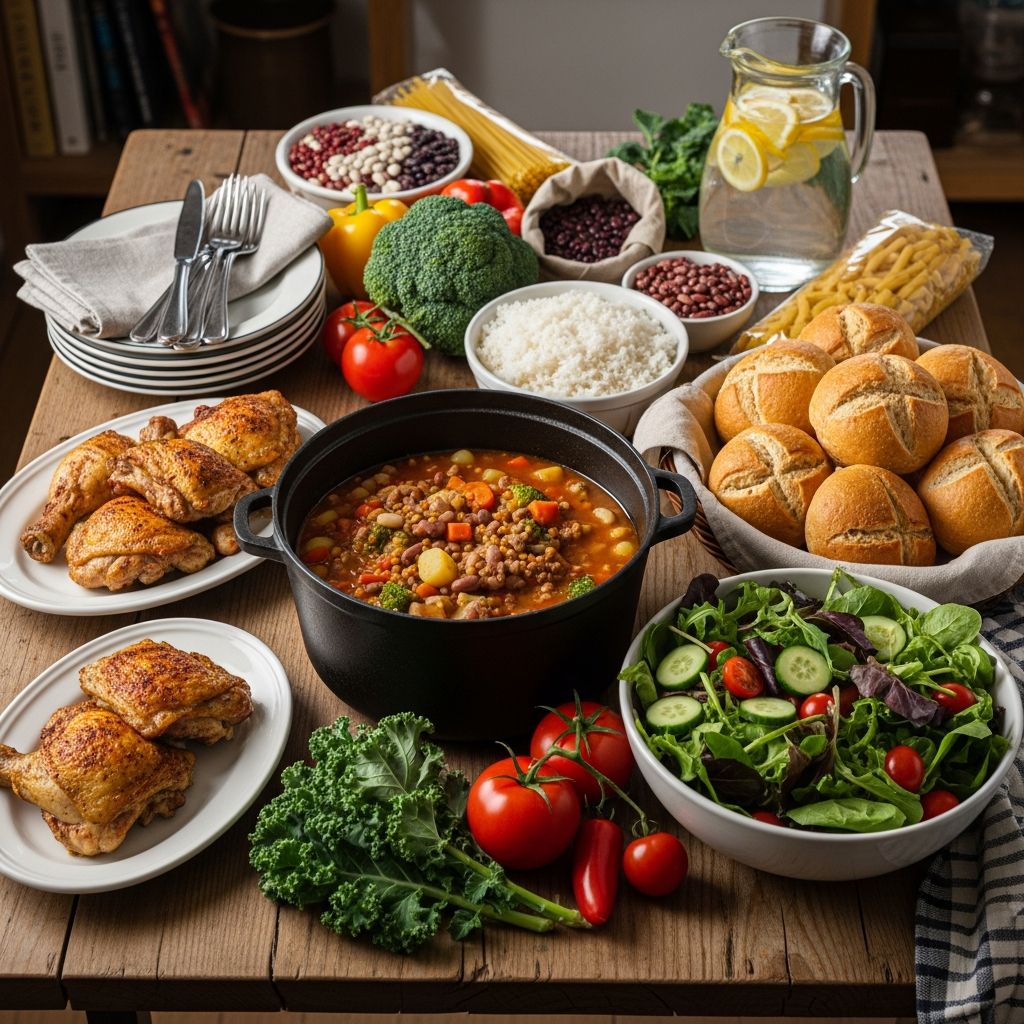
Feeding a large family presents unique challenges: satisfying numerous hungry mouths while managing limited time and finances. As a parent of four, I’ve honed strategies that balance nutrition, variety, and cost. Insights from Jeff Page, father of eight and founder of Hectic Meals, reinforce these approaches, emphasizing meal planning as essential “self-preservation” to avoid costly takeout reliance.
Plan Your Meals in Advance
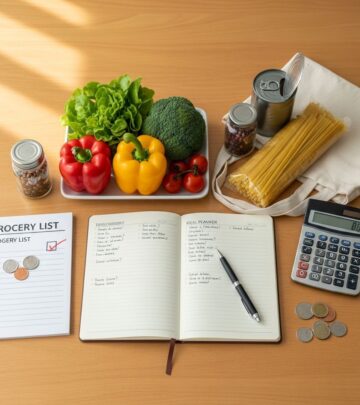
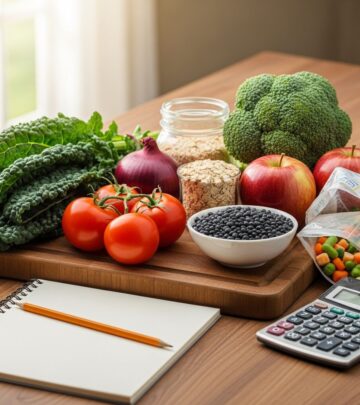
Meal planning is the cornerstone of budget-friendly feeding for big families. Without it, daily “What’s for dinner?” dilemmas lead to impulsive spending on fast food or extra trips. Plan a week’s meals at once using a rotation of favorite recipes to streamline decisions and shopping.
Get input from your family to ensure buy-in. Kids might prefer consistent breakfasts like oatmeal or eggs but crave lunch variety. Poll everyone for favorites, then build around them. This prevents waste and boosts satisfaction.
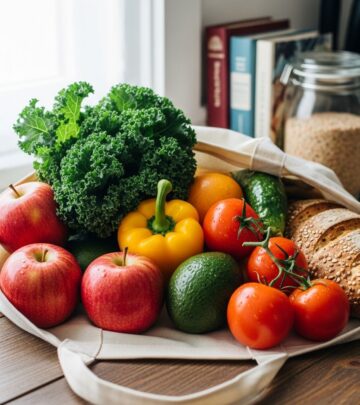
Work with seasons and sales for optimal savings. Seasonal produce is fresher and cheaper; check weekly ads to anchor your menu. For example, stock up on summer berries or winter root vegetables when prices drop. Combining sales with in-season items maximizes value without monotony.
Mix reliable staples with occasional new recipes. Core meals like spaghetti or stir-fries form the bulk, while one novel dish per week introduces excitement. Online tools can inspire without overwhelming picky eaters.
Buy and Prepare Food in Bulk
For high-volume families, bulk buying aligns perfectly with needs, slashing per-unit costs. Use your meal plan to calculate quantities precisely, avoiding overpurchase.
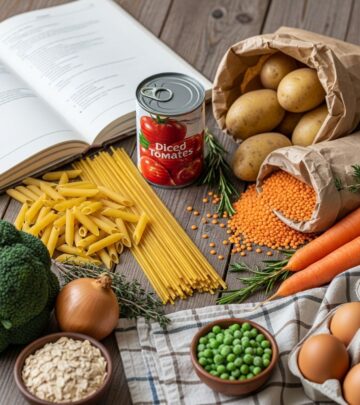
Basic pantry staples—flour, sugar, rice, canned tomatoes—are ideal for bulk buys. Even modest savings accumulate when usage is high; snag deals on large packs.
How to Prep Your Food in Bulk
Efficient prep preserves bulk hauls. Invest in quality knives for quick chopping and a vacuum sealer to prevent freezer burn. A food dehydrator extends produce life by drying fruits or herbs for snacks.
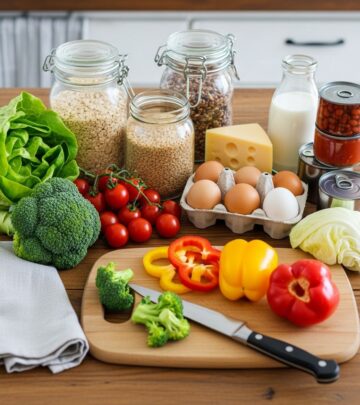
- Proteins: Buy meat in bulk (e.g., whole chickens, roasts), portion, and freeze. Eggs, beans, and dairy also scale well.
- Produce: Process immediately—chop, blanch, and freeze veggies; make sauces from overripe fruit. Preservation prevents waste.
- Alternative sources: Explore co-ops, ethnic markets, or farmers’ markets for superior deals on bulk items unavailable at chains.
Storage is non-negotiable. Assess freezer and pantry space beforehand. Label everything clearly with dates and contents using bins or shelves for organization. Visual inventories via freezer apps or photos aid family access, reducing rummaging and spoilage.
Shop Smart and Efficiently
Grocery runs should be swift and targeted. Generate a meal-plan-derived list, organized by store aisles, to finish in under an hour. Jeff Page swears by this for his family of ten.
| Category | Items | Est. Savings Tip |
|---|---|---|
| Pantry Staples | 20lb rice, 10lb flour, canned beans (24-pack) | Buy on BOGO sales |
| Proteins | 20lb chicken quarters, 5 doz eggs, 10lb ground beef | Portion and freeze |
| Produce | 20lb potatoes, 10lb carrots, seasonal apples (bushel) | In-season only |
| Dairy | 5 gal milk, 10lb cheese blocks | Freeze milk in portions |
Rotate snacks monthly to maintain interest without excess variety. This month: popcorn and yogurt; next: nuts and fruit leather. Limits impulse buys while curbing boredom.
Additional Strategies for Success
Beyond basics, refine habits for long-term wins. Inventory pantries monthly to use existing stock first, preventing duplicate buys. Stretch proteins with grains and veggies—think bean chili or lentil shepherd’s pie.
Batch-cook on weekends: double soup recipes or assemble casseroles for the freezer. This reclaims weeknights, vital for busy parents. Teach older kids age-appropriate tasks like chopping or packing lunches to distribute workload.
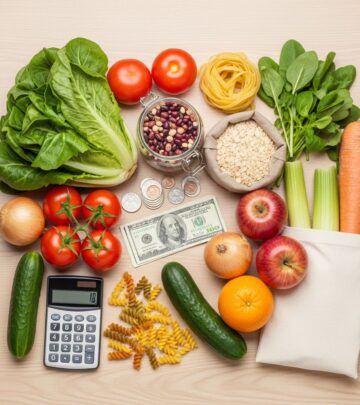
Track spending with apps linking to budgets. Aim for $50-75 weekly per four people, adjusting for local costs. Flexibility is key; swap pricey items for sales.
Frequently Asked Questions (FAQs)
Q: How much should a large family spend weekly on groceries?
A: Targets vary by location and size, but $75-150 for 6-8 people is realistic with planning. Focus on staples and sales to hit lower ends.
Q: What’s the best way to store bulk meat?
A: Portion into meal-sized bags, vacuum seal, and label with dates. Use within 3-6 months for quality.
Q: How do I handle picky eaters on a budget?
A: Involve them in planning, rotate favorites, and hide veggies in sauces or muffins. Gradual exposure builds acceptance.
Q: Can I really save with a food dehydrator?
A: Yes, for fruits, herbs, and jerky—turns cheap produce into shelf-stable snacks costing pennies per serving.
Q: Tips for vegetarian bulk buying?
A: Stock dry beans, lentils, quinoa in 20-50lb bags; canned chickpeas for quick meals. Cheaper and longer-lasting than meat.
Conclusion
Mastering large-family feeding boils down to planning, bulk efficiency, and smart habits. Consistent application yields savings, reduces stress, and nourishes everyone well. Start small—plan one week—and build from there.
References
- U.S. Bureau of Labor Statistics Consumer Expenditure Survey — U.S. Department of Labor. 2024-09-10. https://www.bls.gov/cex/
- USDA Thrifty Food Plan — United States Department of Agriculture. 2025-01-01. https://www.fns.usda.gov/research/thrifty-food-plan
- Supplemental Nutrition Assistance Program (SNAP) Guidelines — U.S. Department of Agriculture Food and Nutrition Service. 2025-10-01. https://www.fns.usda.gov/snap
- Family Nutrition Facts from Economic Research Service — USDA Economic Research Service. 2024-07-15. https://www.ers.usda.gov/topics/food-nutrition-assistance/
- Food Cost and Availability Data — USDA Food Surveys Research Group. 2025-03-20. https://www.ars.usda.gov/northeast-area/beltsville-md-bhnrc/beltsville-human-nutrition-research-center/food-surveys-research-group/
Similar Articles








Read full bio of medha deb