How to Exchange Coins for Cash: A Complete Guide
Transform your loose change into cash with these practical methods and tips for maximizing savings.
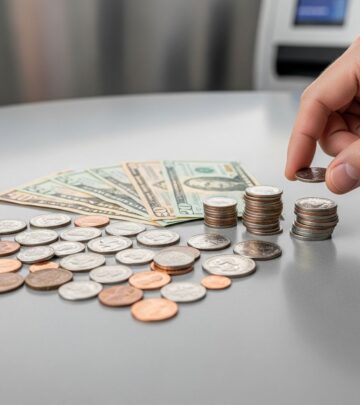
If you have accumulated jars of spare change over time, you’re not alone. Many people find themselves with drawers, jars, or containers filled with coins that represent real money but are inconvenient to spend. Whether you’re looking to fund a financial goal, build an emergency fund, or simply declutter your home, converting those coins into cash is easier than you might think. This comprehensive guide explores all your options for exchanging coins for cash, helping you choose the method that works best for your situation.
Can You Cash in Coins at a Bank?
Yes, most national banks, local banks, and credit unions will accept coins in exchange for cash. However, it’s important to understand that policies and procedures vary significantly by institution and location. Some banks have streamlined their coin exchange services, while others maintain robust offerings to serve their customers and meet demand from business clients who need coins for daily operations.
Major national banks like Chase and Capital One exchange pre-rolled coins for cash for their account holders. Meanwhile, some credit unions, such as Mission Fed Credit Union, provide coin-counting machines at most of their branches, making the process even more convenient. The best approach is to contact your specific bank or credit union directly to understand their policies before bringing in your coins.
How Banks Process Coin Deposits
Banks typically handle coin exchanges through two primary methods, each offering different levels of convenience and automation.
Coin-Counting Machines
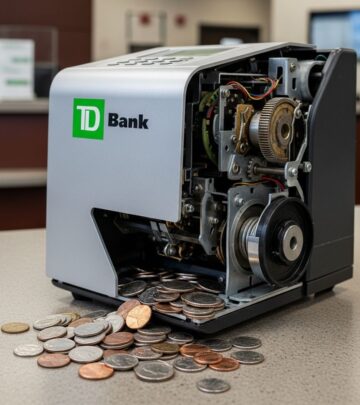
Some institutions, particularly local banks and credit unions, maintain automated coin-counting machines in their branches. With these machines, you simply dump your loose change into the machine’s tray, and it automatically counts and sorts your coins. The machine then calculates the total value and provides you with cash or a receipt that you can exchange at the teller window. However, these machines are expensive to maintain, so they’re not available at all branches or institutions. National banks have increasingly phased these out in recent years, making them more common at community banks and credit unions.
Manual Coin Counting by Tellers
If your bank doesn’t have a self-service coin-counting machine, a bank teller can manually count your coins. Many banks expect customers to pre-roll their coins before bringing them in, which means using paper coin wrappers to bundle your coins in standardized amounts. After the teller counts your coins (or verifies the amount in your pre-rolled wrappers), they will give you cash in exchange or deposit the amount directly into your savings or checking account. Banks typically don’t charge for this coin exchange service if you’re an account holder, though some institutions may have restrictions on the volume of coins you can bring in at one time.
Benefits of Banking Coin Exchange Services
Banking institutions offer several advantages when it comes to exchanging coins for cash:
No Fees for Account Holders
Banks usually offer the service of exchanging coins for cash without any fee if you’re an account holder. As long as you have a moderate amount of coins and maintain an active account with the bank, you can avoid service charges entirely. This makes banks the most cost-effective option for most people who maintain banking relationships.
Direct Deposit Options
If you prefer to deposit your coins into your bank account or savings account instead of receiving cash, you can usually do so without any hassle. This approach allows your spare change to be immediately applied toward your financial goals, whether that’s building an emergency fund, saving for a purchase, or contributing to a high-yield savings account that earns interest on your coins’ value.
Convenience and Accessibility
If you already bank with an institution, exchanging coins there is incredibly convenient. You can combine your banking activities in a single visit, making it simple to manage your finances. Many people find this integrated approach preferable to seeking out alternative coin exchange methods.
When to Choose Bank Exchange Services
Banks are an excellent and affordable option for account holders since they often waive fees entirely. You can typically deposit directly to your checking or savings accounts or exchange for cash on the spot. This makes banks particularly attractive if you have a smaller to moderate coin collection.
However, banks may restrict the number of coins you can bring in at a time, or they may require coins to be pre-rolled. If you have a large coin stash accumulated over years, you might want to consider alternatives or make multiple trips to your bank. Calling ahead to confirm your bank’s specific policies regarding volume limits and pre-rolling requirements will help you prepare properly.
Alternative Methods for Exchanging Coins
Beyond traditional banks and credit unions, several other options exist for converting coins to cash, each with different fee structures and convenience levels.
Coinstar Machines
Coinstar machines are among the most widely available options for coin counting, found in thousands of grocery stores, pharmacies, and retail locations across the country. To use a Coinstar machine, you pour your loose coins into the machine’s tray, and it automatically sorts and counts them. The machine provides a receipt that you can redeem for cash at the store’s customer service desk or checkout counter. The entire process typically takes just a few minutes.
However, convenience comes at a cost. Coinstar charges a fee of up to 12.9 percent of your total coin value, plus a flat fee of 99 cents per transaction. These fees can vary by location. For example, if you exchange $50 in coins through Coinstar, you could pay up to $7.44 in fees ($6.45 plus $0.99), receiving only $42.56 in cash. This makes Coinstar convenient but significantly more expensive compared to free alternatives at banks and credit unions.
Local Retailers with Coin Exchange Services
Many retailers offer self-checkout stations that accept coins, making it easy to spend your change directly without needing to exchange it for bills. Some gas stations, such as QuikTrip, also offer coin-exchange machines that you can use to exchange coins for cash on the spot. Retailers that commonly offer coin-exchange services include Walmart, CVS, Hannaford, Kroger, Ralphs, Meijer, Safeway, Winn-Dixie, and Wawa. However, availability varies by location, so it’s best to call ahead or check online to confirm that your nearest location offers these services.
Using Coins for Direct Purchases
One often-overlooked option is simply using your coins for everyday purchases. Most retailers readily accept rolled coins, and this approach eliminates exchange fees entirely while also reducing the cash burden on businesses that need coins for change. Rolled coins are particularly useful for grocery shopping, everyday purchases, paying bills at customer service desks, purchasing money orders or cashier’s checks, and making deposits at your bank. When using rolled coins for purchases, ensure they’re properly counted and securely wrapped. Most businesses will accept them at face value without verification, though poorly wrapped coins may be rejected.
Rolling Coins Yourself
Rolling coins yourself is the most cost-effective method for coin exchange, requiring only paper wrappers that banks typically provide for free. Standard coin rolls require specific quantities: pennies come in rolls of 50 coins ($0.50), nickels in rolls of 40 coins ($2.00), dimes in rolls of 50 coins ($5.00), and quarters in rolls of 40 coins ($10.00). Once you’ve rolled your coins and verified the amounts, you can take them to your bank for exchange or use them directly for purchases. This method eliminates fees entirely but requires more time and effort on your part.
Comparison of Coin Exchange Methods
Understanding the different methods and their respective advantages and disadvantages will help you make the best choice for your situation:
| Method | Cost | Convenience | Best For |
|---|---|---|---|
| Bank/Credit Union | Free for account holders | High; on-site service | Customers with moderate coin amounts |
| Coinstar Machine | Up to 12.9% + $0.99 | Very High; widely available | People prioritizing convenience |
| Rolling Coins Yourself | Free | Low; time-intensive | Budget-conscious individuals |
| Retail Purchases | Free | High; direct use | Those wanting to spend coins immediately |
Preparing Your Coins for Exchange
Before heading to your bank or using any coin exchange service, preparation can make the process smoother and faster. Sort your coins by denomination to make counting easier. Some people use coin sorting tools that automatically separate coins by size. Once sorted, you can roll coins yourself using paper wrappers available from most banks, or you can bring them in loose if your bank has a coin-counting machine. Ensuring your coins are clean can also help—while most banks don’t require spotless coins, removing obvious debris or corrosion can help machines read coins more accurately.
Frequently Asked Questions
Do most banks accept coins for cash exchange?
Most banks accept coins for cash exchange, though services vary by institution. Large banks typically require pre-rolled coins, while some smaller institutions and credit unions provide self-service counting machines. The services depend on the bank, so it’s a good idea to call your nearest branch before bringing coins in.
Are there fees for exchanging coins at banks?
Account holders at many banks can exchange coins without charges. Some institutions require rolled coins, while others provide free access to counting machines. Non-account holders may incur fees, typically ranging from $5 to $10, though some banks waive fees entirely.
What happens to coins that are damaged or old?
Most banks will still accept damaged or old coins at face value, as long as they are genuine U.S. currency. However, extremely damaged coins that are illegible may not be accepted. If you have rare or collectible coins, you may want to have them evaluated by a coin specialist rather than exchanging them at face value.
How much time does coin exchange typically take?
At banks with coin-counting machines, the process takes just a few minutes. Manual counting by a teller may take slightly longer, depending on the volume of coins and how busy the branch is. Coinstar machines typically complete transactions in just a few minutes as well.
Can I exchange coins if I’m not a bank customer?
Yes, many banks will exchange coins even if you’re not a customer, though they may charge a small fee. It’s best to call ahead to confirm your nearest bank’s policy on non-customer coin exchanges.
The Bottom Line
Coins may not be a part of your everyday spending routine, which means they’re likely adding up in a forgotten drawer, jar, or container in your home. Rather than letting that money sit idle, converting it to cash or depositing it into your accounts can make a real difference in your personal finances. Whether you need some extra cash for your budget this month or you’re trying to identify any opportunity for more savings, all that accumulated change can genuinely contribute to your financial goals.
The best approach is to call your bank and ask about any specific policy related to converting your coins into cash. Most banks don’t list the full details online, but they will almost certainly accept your coins. Money is money, after all, and financial institutions recognize the value in helping customers access their funds in any form.
For most people with moderate coin collections and existing bank accounts, exchanging coins at their bank or credit union offers the best combination of convenience and cost-effectiveness. For those prioritizing maximum convenience over cost, Coinstar machines provide quick access. Those willing to invest time to maximize savings can roll coins themselves and use them directly for purchases. Whatever method you choose, taking action to exchange your coins is a positive step toward better financial management and ensuring that no money—not even spare change—goes to waste.
References
- Are banks the best place to cash in your coins? — Bankrate. 2025-11-29. https://www.bankrate.com/personal-finance/how-to-exchange-coins-for-cash/
- How to Exchange Coins for Cash Without the Hassle — Bankrate. 2025-11-05. https://www.bankrate.com/banking/best-ways-to-change-coins-into-cash/
- The Easiest Ways to Cash Coins — NerdWallet. Retrieved 2025-11-29. https://www.nerdwallet.com/banking/learn/how-to-cash-your-coins
Similar Articles








Read full bio of Sneha Tete