How to Exchange Coins for Cash Without the Hassle
Convert your spare change to cash easily with our guide to coin exchange methods and fees.
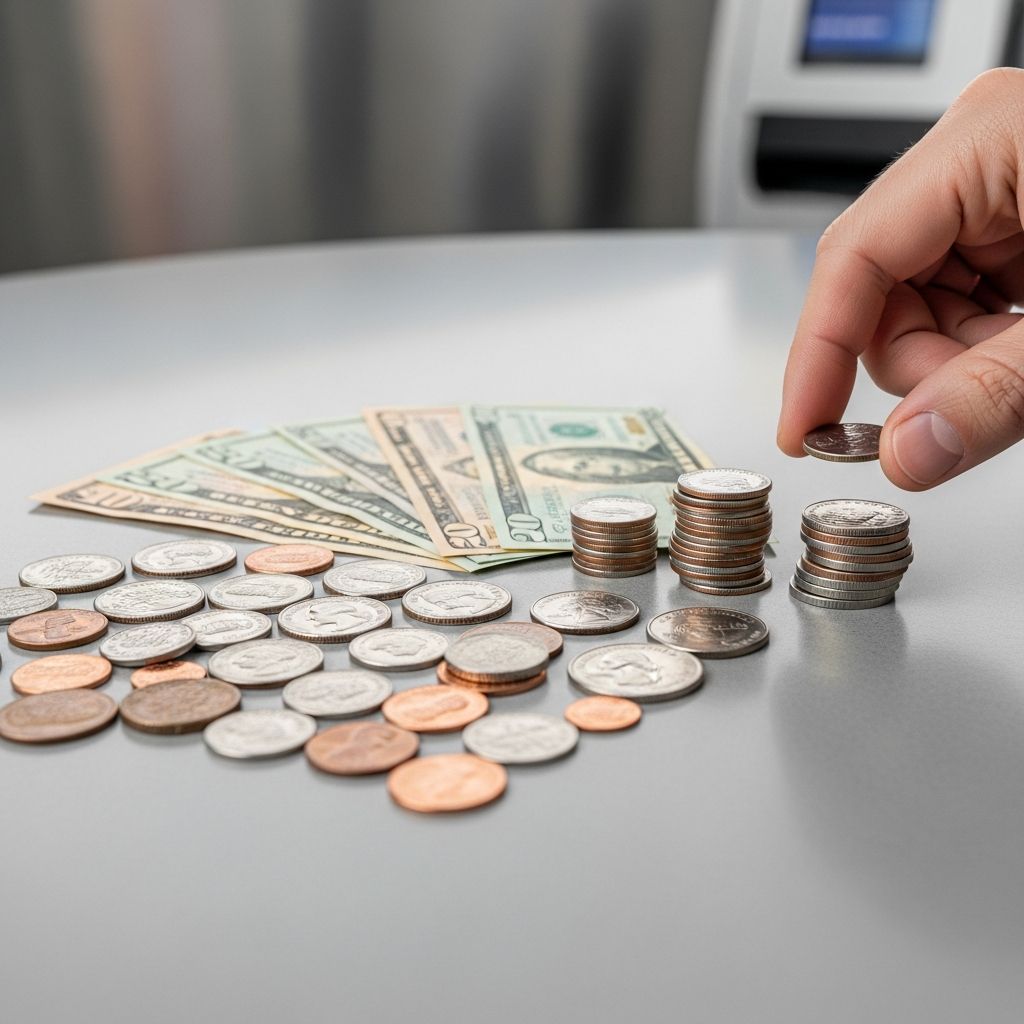
Whether your piggy bank is overflowing or you’ve been collecting loose change for months, there comes a point when you realize you need a more convenient way to handle all those coins. Converting spare change into spendable cash doesn’t have to be complicated or expensive. Multiple methods exist for exchanging your coins, each with distinct advantages and fee structures. The key is choosing the right approach based on how much time you want to invest and what fees you’re willing to tolerate.
Key Takeaways
- Banks and credit unions often offer free coin exchange services for customers, while charging small fees for non-customers
- Coinstar machines charge up to 12.9 percent plus a 99-cent flat fee but are widely available at grocery stores and retailers
- Rolling coins yourself is the most cost-effective method, requiring only paper wrappers that banks provide for free
- Many retailers accept rolled coins for purchases, eliminating exchange fees entirely
Where Can You Exchange Coins for Cash?
Several establishments offer coin exchange services, each with different fee structures and convenience levels. Understanding your options helps you make the most cost-effective decision for your situation.
Community Banks and Credit Unions
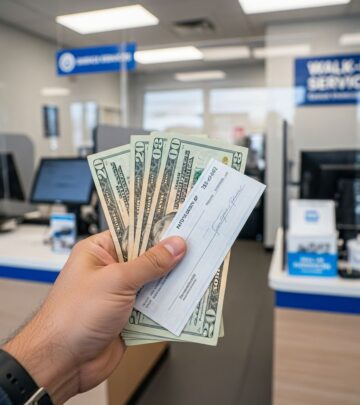
Your first stop should be your own bank or credit union to see if it offers free coin exchange. Many community banks and credit unions provide this service at no cost to customers as a way to build loyalty and meet demand for coins from their business customers. This is often the most economical choice if you have an account with the institution.
While many large national banks like Chase and Capital One have phased out coin-counting services in recent years, regional banks and credit unions often still provide them. Some credit unions, such as Mission Fed Credit Union, even maintain automated counting machines at most branches. There may be a small fee for non-customers to use the bank’s coin-counting services, typically ranging from five to ten dollars.
Banks handle coin exchanges through two primary methods. Some institutions maintain automated counting machines in their branches where you simply dump your change into the machine to be automatically counted and receive the appropriate amount of cash in exchange. Alternatively, a bank teller can manually count your coins and provide you with cash or deposit the amount directly into your savings or checking account. It’s important to call your bank ahead of time to check their specific policy, as procedures vary by institution and location.
Local Retailers
Many retailers offer convenient coin-counting solutions without requiring a bank account. Some retailers offer self-checkout stations that accept coins, making it easy to spend your change directly. Gas stations such as QuikTrip also offer coin-exchange machines that allow you to exchange coins for cash on the spot.
Major retailers that commonly offer coin-exchange services include Walmart, CVS, Hannaford, Kroger, Ralphs, Meijer, Safeway, Winn-Dixie, and Wawa. However, availability varies significantly by location, so it’s best to call ahead or check online to confirm services. Local businesses such as restaurants, convenience stores, and gas stations may also accept loose change, and some even offer discounts on purchases in exchange for your spare coins.
Coinstar Kiosk Process and Fees
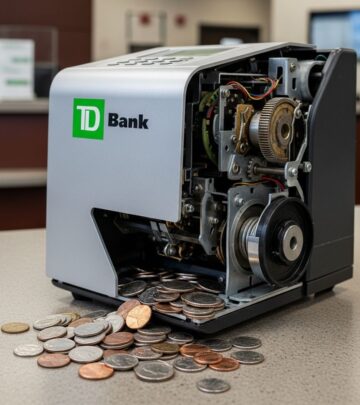
Coinstar machines represent the most widely available option for coin counting, with thousands of locations found in grocery stores, pharmacies, and retail locations across the country. While convenient, they come with significant fees that can substantially reduce your coin value.
Using a Coinstar machine is straightforward: you pour your loose coins into the machine’s tray and it automatically sorts and counts them. The machine provides a receipt that you can redeem for cash at the store’s customer service desk or checkout counter. The entire process typically takes just a few minutes, making it ideal for those prioritizing speed over cost.
However, Coinstar’s fee structure is substantial. The company charges a fee of up to 12.9 percent of your total coin value, plus a flat fee of 99 cents per transaction. These fees can vary by location. For example, if you exchange $50 in coins, you could pay up to $7.44 in fees ($6.45 + $0.99), receiving only $42.56 in cash. This makes Coinstar convenient but expensive compared to free alternatives at banks and credit unions.
One way to reduce Coinstar fees is by exchanging your coins for store gift cards instead of cash. Many Coinstar locations offer this option at no charge, allowing you to avoid the percentage fee entirely if you’re willing to spend at that retailer. Additionally, Coinstar allows you to donate your spare change to various charities, which can be a rewarding alternative if you prefer to support worthy causes.
Rolling Your Coins Yourself
Rolling coins yourself is the most cost-effective method for converting your spare change into cash. This approach requires only paper wrappers that banks provide for free, and you keep every penny of your coin value.
To roll coins yourself, you’ll need coin wrappers in various denominations: pennies (50 per roll), nickels (40 per roll), dimes (50 per roll), and quarters (40 per roll). Banks provide these wrappers at no cost to customers. Simply sort your coins by denomination, count out the appropriate number for each wrapper, and roll them tightly. Ensure coins are properly counted and securely wrapped, as most businesses will accept them at face value without verification, though poorly wrapped coins may be rejected.
While this method requires more time and effort than using machines, the savings are substantial. You avoid all fees and exchange charges, making it ideal if you have the patience to build up and organize your spare change.
Using Coins for Direct Purchases
One often-overlooked option is simply using your coins for everyday purchases. Most retailers readily accept rolled coins, and this approach eliminates exchange fees entirely while reducing the cash burden on businesses that need coins for change.
Rolled coins are particularly useful for:
- Grocery shopping and everyday purchases at major retailers
- Paying bills at customer service desks
- Purchasing money orders or cashier’s checks
- Making deposits at your bank
- Paying for gas or other retail transactions
When using exact change, you can also minimize the small denomination coins you receive back as change, creating a positive cycle of coin management. This approach is particularly effective for those with moderate amounts of spare change who don’t need immediate large cash payouts.
Pros and Cons of Different Methods
Understanding the advantages and disadvantages of each coin exchange method helps you make an informed decision based on your specific situation.
| Method | Pros | Cons | Best For |
|---|---|---|---|
| Bank/Credit Union | No fees for account holders, direct deposit option, trusted institution | May have volume limits, requires trip to branch | Account holders with moderate amounts |
| Coinstar Machine | Widely available, quick process, gift card option fee-free | High fees (up to 12.9% + $0.99), reduces cash value | Those prioritizing convenience over cost |
| Rolling Coins | Zero fees, maximum cash value, free wrappers from banks | Time-consuming, requires organization and effort | Patient individuals with significant spare change |
| Using for Purchases | No fees, eliminates intermediary steps, practical | Limited to spending amount, not flexible | Regular shoppers with manageable coin amounts |
| Local Retailers | Convenient, sometimes no fees, multiple locations | Availability varies by location, limited options | Those near participating retailers |
Tips for Maximizing Your Coin Value
Call ahead before visiting: Most banks don’t list full details about coin exchange policies online. Contact your nearest branch to confirm they accept coins and understand any volume restrictions or requirements.
Be strategic with timing: Avoid exchanging coins during busy banking periods. Many banks will refuse to process large coin exchanges during peak hours, so plan your visit accordingly.
Check customer status: Account holders receive better treatment and free services at most institutions. Non-account holders typically face small fees, usually in the five to ten dollar range.
Consider volume limits: Some banks restrict the number of bags of coins you can bring in per transaction. If you have a large coin stash, you may need to make multiple trips or explore alternative options.
Sort before rolling: Pre-sorting your coins by denomination before rolling saves time and reduces the risk of errors when you present them for exchange.
What Happens to Your Exchanged Coins?
After a bank counts your coins, they provide you with cash in exchange or deposit the amount into your savings or checking account. Banks handle coin exchanges efficiently because many of them face demand for coins from their business customers. The coins you exchange eventually circulate back into the economy through bank distribution to businesses and individuals who need them.
When to Choose Each Exchange Method
Banks are optimal if you’re an account holder with a smaller to moderate coin collection, want to avoid all fees, and prefer depositing directly into your account.
Coinstar machines work best for those who prioritize speed and convenience over cost savings, or who want to convert coins to gift cards at no charge.
Rolling coins yourself is ideal if you have patience, time available, and want to maximize the cash value of your spare change.
Direct purchases suit those with regular shopping habits and manageable coin amounts who don’t need immediate large cash amounts.
Frequently Asked Questions
Q: Do all banks accept coins for cash exchange?
A: Most national banks, local banks, and credit unions will accept coins in exchange for cash. However, policies and procedures vary by institution and location. Large banks typically require pre-rolled coins, while some smaller institutions and credit unions provide self-service counting machines. It’s best to call your specific branch first.
Q: Can non-account holders exchange coins at banks?
A: Yes, but there may be a small fee ranging from five to ten dollars. Account holders typically receive the service for free, which is one of the benefits of maintaining a bank relationship.
Q: Are Coinstar fees worth paying?
A: Coinstar fees of up to 12.9 percent plus 99 cents can be substantial. For a $50 exchange, you’d lose about $7.44. Consider using Coinstar only if convenience is worth the cost, or use it to get gift cards at no charge.
Q: Where can I get coin wrappers?
A: Banks provide coin wrappers for free to customers. You can also purchase them from most retailers or order them online if needed.
Q: Can I deposit coins directly into my bank account?
A: Yes, most banks allow you to deposit coins directly into your savings or checking account. You can bring them either rolled or loose, though rolled coins are generally preferred. Ask your bank about their specific process.
Q: What should I do with a very large collection of coins?
A: For large collections, rolling coins yourself saves the most money despite the time investment. Alternatively, you can make multiple trips to your bank or credit union, or explore donating some coins to charity through Coinstar.
The Bottom Line
Cashing in your spare coins can be an easy way to treat yourself or contribute to an emergency fund or high-yield savings account. The method you choose depends on your priorities: whether you value cost savings, speed, convenience, or a combination of these factors.
If you’re an account holder, taking your coins to a local bank or credit union is typically the best option due to free services and potential direct deposit capabilities. For those willing to invest time, rolling coins yourself preserves maximum value. Coinstar offers speed and convenience, though at a significant cost unless you use their gift card option.
Don’t forget that coins can be used for purchases too—just roll them up and use them like you would bills. This practical approach eliminates exchange fees while keeping cash management simple. Call your bank and ask about their specific policy related to converting your coins into cash. Most banks accept coins gladly because they represent real money that keeps circulating through the financial system. With these various options available, you can transform your spare change into usable cash efficiently and cost-effectively.
References
- How to Exchange Coins for Cash Without the Hassle — Bankrate. 2025. https://www.bankrate.com/banking/best-ways-to-change-coins-into-cash/
- Are banks the best place to cash in your coins? — Bankrate. 2025. https://www.bankrate.com/personal-finance/how-to-exchange-coins-for-cash/
- Changing Coins into Cash — Island Federal Credit Union. 2024. https://islandfcu.org/financial-education/changing-coins-into-cash/
- The Easiest Ways to Cash Coins — NerdWallet. 2024. https://www.nerdwallet.com/banking/learn/how-to-cash-your-coins
- What’s the best way to cash-in spare change? — Money.co.uk. 2024. https://www.money.co.uk/guides/whats-the-best-way-to-cash-in-spare-change
Similar Articles








Read full bio of Sneha Tete