How to Evaluate a Neighborhood Before You Buy
Essential questions and research tools to thoroughly assess a neighborhood before buying a home or renting.
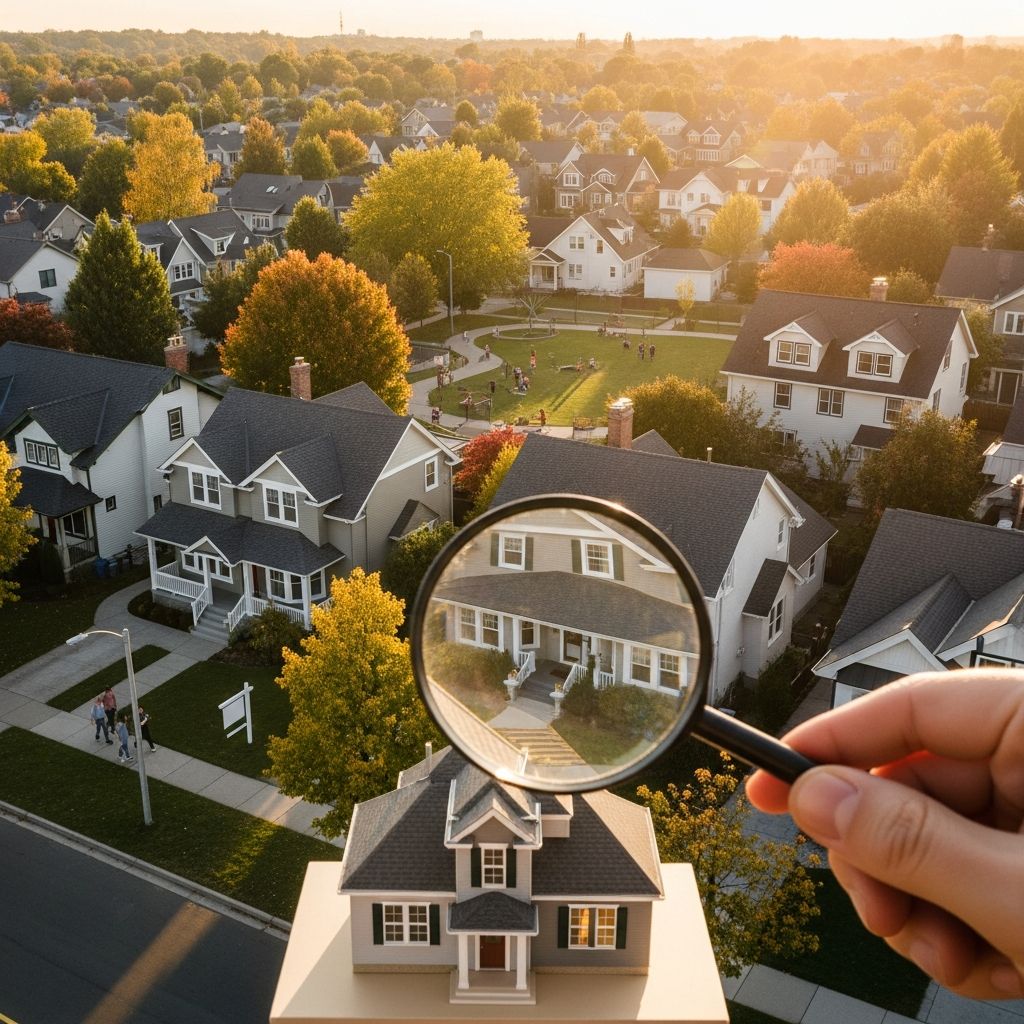
When house hunting, the mantra “location, location, location” rings true because you can renovate almost anything about a property except its position. Evaluating a neighborhood thoroughly ensures long-term satisfaction, investment value, and lifestyle fit. This guide covers critical factors like market trends, safety, schools, walkability, transit, environmental risks, and amenities, providing actionable research tools and questions to ask.
The Home Market
Understanding the local real estate market is foundational. Analyze current home prices to confirm affordability and fair pricing for your target property. Examine price trends over the past five years: are values rising steadily, indicating an upswing, or declining, signaling potential risks? Neighborhoods with homes lingering on the market despite repeated price cuts may indicate underlying issues like poor desirability or economic stagnation.
Use tools like Zillow’s Home Value Index by entering the ZIP code for historical price summaries, recent changes, and one-year forecasts. Realtor.com offers similar insights into inventory turnover. Compare listings: if similar homes sell quickly elsewhere but stall here, investigate why—perhaps through local news or agent consultations.
- Check median sale prices versus asking prices.
- Review days-on-market averages.
- Forecast future appreciation based on regional growth.
Pro tip: Cross-reference with county assessor records for accurate sold prices, avoiding inflated listing data.
Safety and Crime Rates
Subjective opinions from locals vary, so rely on objective data. Trulia’s City Guides provide crime statistics and interactive neighborhood maps for major cities. Many police departments offer their own crime heat maps; CrimeReports aggregates data from over 1,000 agencies, searchable by ZIP code.
For specific concerns, query the U.S. Department of Justice’s National Sex Offender Public Website (NSOPW) by address to identify registered offenders nearby. Review trends: Is crime decreasing? Focus on violent versus property crimes relevant to your family.
| Tool | Coverage | Key Features |
|---|---|---|
| Trulia Crime Maps | Major cities | Interactive heat maps, stats by type |
| CrimeReports | Nationwide (1,000+ depts) | ZIP search, incident reports |
| NSOPW | National | Sex offender registry by address |
Visit at different times—day, night, weekdays, weekends—to gauge atmosphere personally.
Walkability and Errands
If pedestrian access matters, assess how many daily errands (groceries, pharmacy, post office) can be done on foot without a car. Walk Score rates neighborhoods from 0-100: scores above 70 indicate most errands are walkable; 90+ is a “Walker’s Paradise,” like San Francisco’s Chinatown (100).
Avoid areas with narrow sidewalks, high traffic speeds, or no pedestrian paths, especially in scenic but dangerous hilly regions. Test by mapping your routine destinations.
- Enter address on WalkScore.com for instant rating.
- Factor in safety for walking (e.g., lighting, crosswalks).
- Consider family needs: stroller-friendly paths?
Public Transit and Commute
Walk Score also ranks transit availability. Evaluate routes to work, school, or frequent spots: Can you walk or bike to stops, or must you drive? Check parking at stations, backup options during disruptions, and reliability via local transit apps or websites.
Simulate commutes during peak hours. Apps like Google Maps or Citymapper provide real-time data. Inquire about expansions: upcoming rail lines could boost value.
Poor transit often means car dependency, inflating costs and stress. Ideal: multiple options converging near home.
Schools and Education
For families, school quality is paramount. Zillow displays assigned schools per listing; GreatSchools.org offers detailed ratings on test scores, progress, equity, discipline, and parent reviews.
Go beyond numbers: Search local forums (e.g., Reddit, Nextdoor), parent Facebook groups, and tour facilities. Ask about special programs like languages, gifted education, or arts. Explore charter/magnet options if neighborhood schools fall short.
- Verify boundaries: Ensure the address falls in the desired district.
- Check student-teacher ratios and demographics.
- Review state report cards for funding and performance trends.
Natural Disaster Risks
Research environmental hazards: floods, earthquakes, wildfires, hurricanes. FEMA’s Flood Map Service Center identifies flood zones. USGS Earthquake Hazards Program provides seismic maps, including liquefaction risks—areas where soil turns liquid-like during quakes, common on sand/landfill.
Use tools like FEMA’s National Risk Index for multi-hazard assessments. Insurance implications: Higher premiums in risky zones. Local building codes matter—post-1990s structures often fare better.
| Hazard | Tool | Risk Check |
|---|---|---|
| Flood | FEMA Flood Maps | 100-year floodplain? |
| Earthquake | USGS Maps | Liquefaction, fault proximity |
| Wildfire | USGS Fire Maps | Vegetation density |
Fun and Amenities
Balance practicality with enjoyment. Explore downtowns, parks, arts districts via NabeWise for neighborhood profiles highlighting strengths/weaknesses. Yelp reveals restaurant quality, shop variety, and resident sentiments.
Assess vibe: Vibrant cafes or empty streets? Farmers markets, theaters, gyms? For families, playgrounds and libraries. Evening visits capture nightlife without commitment.
- Top eateries and ratings on Yelp.
- Park access and conditions.
- Cultural events calendars.
Frequently Asked Questions (FAQs)
Q: How do I know if a neighborhood’s prices are fair?
A: Compare recent sold comps via Zillow or Redfin, check trends on Home Value Index, and note market time.
Q: What’s the best way to check crime?
A: Use Trulia maps, CrimeReports, and NSOPW for comprehensive, data-driven insights.
Q: How accurate is Walk Score?
A: Reliable for errands but verify personally for safety and preferences.
Q: Should I only consider top-rated schools?
A: Weigh ratings with tours, programs, and alternatives like charters.
Q: How to assess disaster risks?
A: Consult FEMA/USGS maps and local emergency plans.
Q: Can renters use these tips?
A: Absolutely—location impacts leasing too.
Thorough evaluation prevents regrets. Combine data tools, local intel, and visits for confidence. Consult realtors for insider tips, but verify independently.
References
- Crime Data Explorer — U.S. Department of Justice, Federal Bureau of Investigation. 2025-01-01. https://cde.ucr.cjis.gov/
- FEMA National Risk Index — Federal Emergency Management Agency. 2024-09-28. https://hazards.fema.gov/nri/
- National Sex Offender Public Website — U.S. Department of Justice. 2025-12-01. https://www.nsopw.gov/
- GreatSchools Ratings Methodology — GreatSchools.org. 2024-08-15. https://www.greatschools.org/gk/methodology/
- Earthquake Hazards Program — U.S. Geological Survey. 2025-03-10. https://earthquake.usgs.gov/hazards/
Similar Articles








Read full bio of medha deb