How to Ensure You Use Your Groupons and Other Daily Deals
Master these proven techniques to redeem every Groupon, LivingSocial, and daily deal before they expire and maximize your savings.
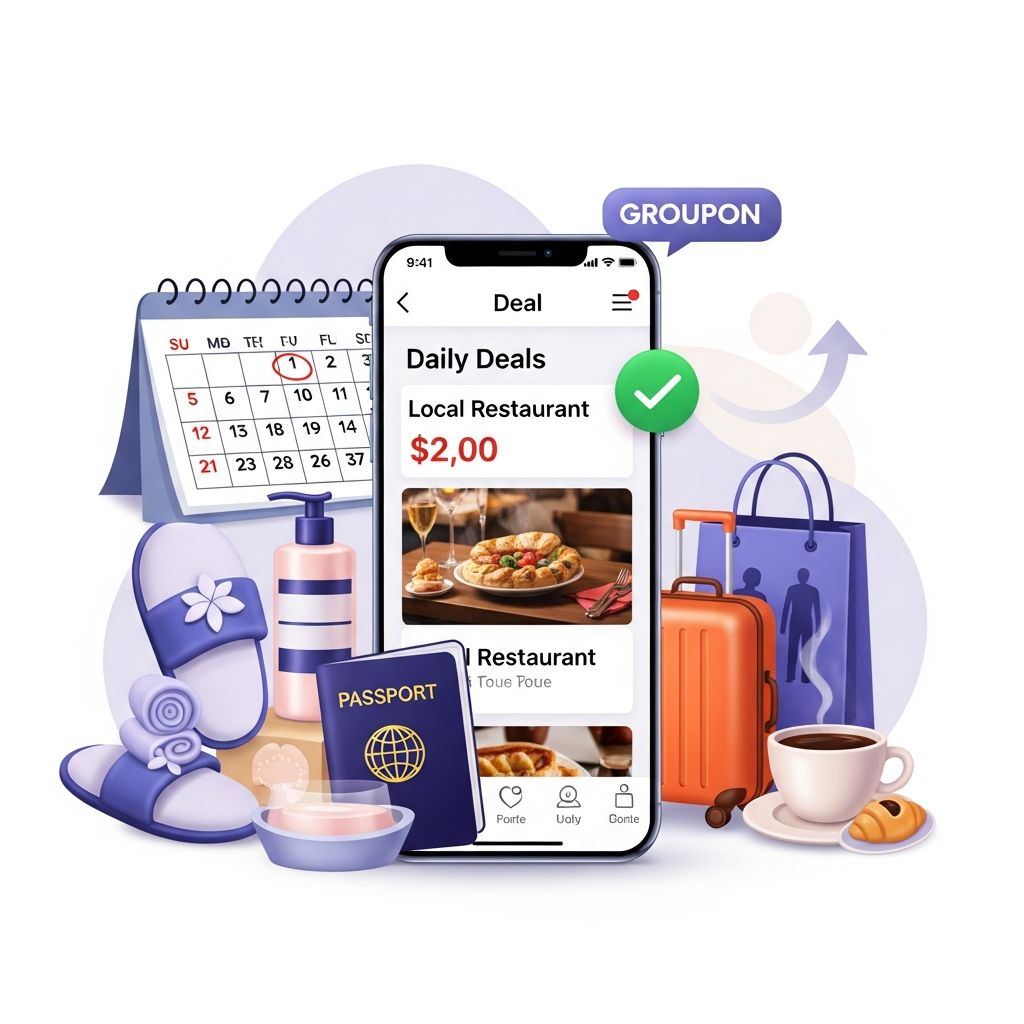
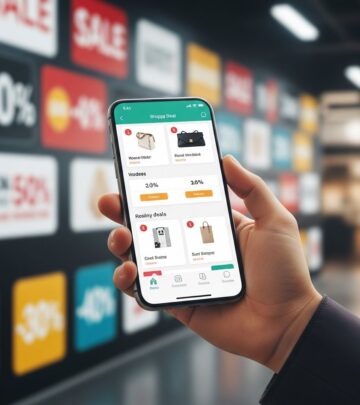
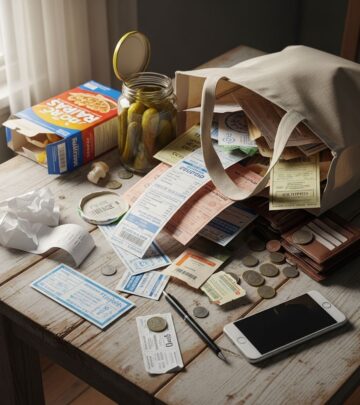
Daily deals from platforms like Groupon, LivingSocial, and others promise incredible savings on restaurants, spas, activities, and more. However, these bargains can quickly turn into wasted money if you forget to use them before they expire. Many people, like the author who left unused vouchers behind during a cross-country move, buy on impulse only to let life get in the way. Busy schedules, forgotten expiration dates, and inconvenient locations lead to expired deals and regret. The good news is that with simple, proactive strategies, you can ensure every daily deal gets redeemed. This guide covers essential techniques to track, plan, and use your vouchers effectively, turning potential losses into real savings.
Plan Ahead with Multiple Calendar Reminders
One of the most common pitfalls is waiting until the last minute to use a deal. For months, simply adding the expiration date to a Google Calendar or phone app might remind you, but often too late—leaving you scrambling just days before it expires. To avoid this, implement a multi-layered reminder system.
- Add the actual expiration date: Mark the final day the voucher is valid, typically 6-12 months from purchase.
- Set a two-week warning: Schedule an alert 14 days prior to give ample time for planning reservations or outings.
- Include a one-month heads-up: For high-value deals like spa packages or multi-session classes, add a 30-day reminder to start coordinating schedules early.
These reminders create a buffer, allowing you to book appointments, find companions, or even reschedule conflicts without panic. Use color-coding in your calendar: red for urgent expirations, yellow for warnings. Apps like Google Calendar, Apple Reminders, or dedicated deal trackers like CityPockets integrate seamlessly and send push notifications. This method transforms forgetfulness into foresight, ensuring deals align with your lifestyle rather than dictating last-minute chaos.
Buddy Up: Share Deals with Friends or Family
Daily deals shine brightest when shared. Solo redemptions can feel awkward or logistically challenging, especially for couples’ massages, dining experiences, or group activities. Before purchasing, loop in a friend or family member to commit together.
For example, if a spinning class deal catches your eye, forward it to your exercise buddy. Mutual accountability skyrockets redemption rates—neither wants to let the other down. This works across categories:
- Restaurants: Pair with a colleague for lunch or a neighbor for dinner.
- Spa days: Team up with a sibling or best friend for pampering.
- Classes or tours: Involve kids for family fun or a partner for date nights.
- Events: Group buys for concerts, sports tickets, or workshops amplify savings.
Discuss availability upfront: ‘Can you do this next weekend?’ Platforms like Groupon often allow multiple purchases, making it easy to buy as a group. Post-purchase, add shared reminders to group chats or shared calendars. This social approach not only ensures usage but builds memories and strengthens relationships while multiplying deal value.
Use Deals Immediately: Strike While the Iron is Hot
Procrastination is the enemy of daily deals. If you’re the type who buys in excitement, redeem right away. Many vouchers activate instantly upon purchase, with no waiting period.
- Check terms: Confirm if fine print requires a 24-48 hour activation wait.
- Book ASAP: Popular spots fill up; secure your slot while dates are open.
- Spur-of-the-moment outings: Opt for no-reservation-needed deals like coffee shops or quick services.
Immediate use prevents life from intervening—no more ‘I’ll do it later’ that leads to expiration. For impulse buyers, this habit maximizes the thrill of the deal. Even if not instant, aim for within the first week. Track success: redeemed deals feel rewarding, reinforcing the behavior.
Print and Organize Vouchers for Easy Access
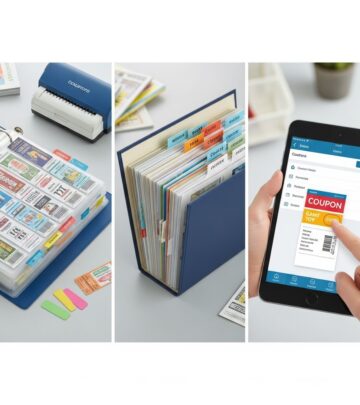
Digital vouchers are convenient but easy to forget in email inboxes or apps. Counter this by printing immediately and creating a dedicated ‘deals folder.’
- Print vouchers: Use high-quality paper for durability; include QR codes if needed.
- Create a prominent folder: Place it on your kitchen counter, desk, or fridge door—somewhere visible daily.
- Label by category:
- Portable option: Laminate key cards and keep in your wallet or purse for on-the-go redemptions.
Subdivide into dining, beauty, entertainment, etc., using dividers or envelopes.
When deciding dinner plans or weekend activities, browse the folder first. It sparks ideas: ‘Oh, there’s that rooftop bar deal!’ Digital alternatives include apps like Groupon’s built-in organizer or third-party tools that scan and store vouchers. Regular weekly reviews—say, Sunday evenings—prevent buildup. This tactile system leverages visibility and habit to drive usage.
Redeem Purchase Value as a Last Resort
Not all deals are lost forever post-promotional expiration. Most Groupon-like platforms allow redemption of the purchase price value even after the promotional value lapses.
Example: Paid $15 for $45 sushi? After expiration, use it for $15 credit. Always review fine print:
- Terms vary by merchant; some extend full value.
- Contact customer service if unclear—many honor goodwill extensions.
- Secondary markets: Sell unused deals on platforms like CityPockets before full expiry.
This safety net recovers some value, but prioritize full redemption. It’s a reminder to act early, as partial value stings less but still wastes potential savings.
Additional Tips for Daily Deal Success
Beyond core strategies, refine your approach:
- Buy selectively: Only purchase what fits your calendar and interests; avoid FOMO buys.
- Track patterns: Note which deals you redeem fastest to inform future purchases.
- Leverage apps: Tools like Groupon app reminders or deal aggregators notify of expirations.
- Gift wisely: Daily deals make great presents if recipients can use them promptly.
- Seasonal planning: Stock up on holiday or event-tied deals with built-in usage timelines.
| Deal Type | Best Redemption Strategy | Reminder Timeline |
|---|---|---|
| Dining | Buddy system + immediate booking | 2 weeks + 1 week |
| Spa/Beauty | Calendar reminders + folder | 1 month + 2 weeks |
| Classes/Activities | Group buy + print | 30 days + 14 days |
| Events/Tickets | Use immediately | Expiration only |
Frequently Asked Questions (FAQs)
Q: What if I forget a deal entirely?
A: Check your email/app purchases history. Most platforms list active deals with expiration dates for quick recovery.
Q: Can I extend expiration dates?
A: Rarely, but polite merchant contact often yields extensions, especially near expiry with proof.
Q: Are daily deals worth it overall?
A: Yes, if used strategically; they save 50-90% but only deliver if redeemed.
Q: How do I sell unused deals?
A: Use secondary markets like CityPockets or Reddit groups; recoup most of your investment.
Q: Best apps for managing deals?
A: Groupon/LivingSocial native apps, Google Calendar, or CityPockets for trading.
Implementing these techniques ensures your daily deals deliver maximum value without waste. Start with calendar reminders and a buddy system today—your wallet will thank you. Share your tips in the comments below!
References
- Consumer Financial Protection Bureau: Managing Coupons and Vouchers — CFPB. 2024-06-15. https://www.consumerfinance.gov/consumer-tools/credit-cards-vouchers/
- Federal Trade Commission: Deal Redemption Guidelines — FTC. 2023-11-20. https://www.ftc.gov/business-guidance/resources/deals-discounts-coupons
- Journal of Consumer Research: Behavioral Economics of Impulse Buying — Oxford University Press. 2022-09-01. https://doi.org/10.1093/jcr/ucac058
- U.S. Department of Commerce: Personal Finance Tools — DOC. 2025-01-10. https://www.commerce.gov/data-and-reports/consumer-finance
- Harvard Business Review: Habit Formation for Savings — HBR. 2024-03-05. https://hbr.org/2024/03/building-savings-habits
Similar Articles








Read full bio of medha deb