How To Endorse Checks: 4 Secure Endorsement Methods
Master check endorsement: Learn proper techniques, security practices, and best methods.

How to Endorse Checks: A Complete Guide to Safe and Secure Check Processing
Check endorsement is a fundamental banking process that allows you to deposit or cash a check you’ve received. Whether you’re receiving payment for services, a refund, or a personal check from a friend or family member, understanding how to properly endorse a check is essential for smooth financial transactions. This comprehensive guide walks you through everything you need to know about check endorsement, from basic steps to advanced security practices.
What Does It Mean to Endorse a Check?
Endorsing a check means signing your name on the back to authorize your bank to process it. Your signature serves as confirmation that you are the rightful recipient of the funds and that you approve the transaction. When you endorse a check, you’re essentially authorizing the transfer of money from the payer’s account to your own. Once you endorse and submit the check, your bank verifies the check’s validity and confirms that the payer has sufficient funds to cover the check amount. The issuing bank then transfers the money into your bank account.
Why Endorsing Checks Is Important
Proper check endorsement serves multiple critical purposes in the banking system. First, it provides legal authorization for the bank to process your check. Second, it creates a record of who has handled the check and when. Third, it adds a layer of security by ensuring that only the intended recipient can cash or deposit the check. Understanding the importance of proper endorsement helps protect you from fraud and ensures your deposits are processed correctly and quickly.
Step-by-Step Guide to Endorsing a Check
Step 1: Double-Check the Information on the Front
Before endorsing the check, review all the details on the front carefully. This crucial first step can prevent processing delays and protect you from errors:
- Payee name: Verify that your name is spelled correctly and matches your ID or bank account name exactly as it appears in your banking records.
- Date: Confirm the check is dated and that the date is current. Checks are typically valid for six months from the date written.
- Amount: Check both the numerical amount (written in numbers) and the spelled-out amount. If these differ, the bank will use the spelled-out amount as the official value.
- Signature: Ensure the payer has signed the check on the signature line at the bottom right. An unsigned check cannot be processed by any bank.
If you notice any discrepancies or missing information, ask the payer to correct them before you proceed with depositing the check. Never attempt to correct errors yourself.
Step 2: Locate the Endorsement Area
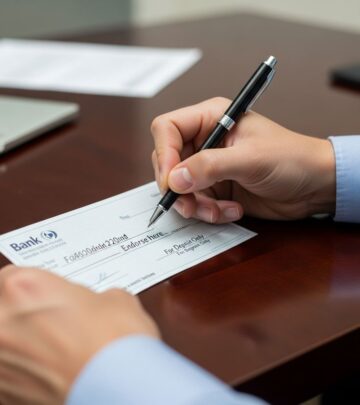
Flip the check over to the back. At the top, you’ll see a box labeled “Endorse here” or similar instructions. This is the designated endorsement area where you should sign your name. Just below the endorsement box, you’ll notice a section marked “Do not write, stamp, or sign below this line.” This lower area must remain completely blank, as it’s reserved for bank processing and encoding information.
Step 3: Sign the Back of the Check
Once you’ve confirmed the details on the check and identified the endorsement area, it’s time to sign the back. Follow these guidelines for proper endorsement:
- Use a pen with permanent black or blue ink, never a pencil or erasable ink.
- Sign your name in the endorsement box exactly as it appears on the front of the check and in your bank records.
- If your name is spelled incorrectly on the check, sign it first with the incorrect spelling, then sign directly below with the correct spelling to cover both versions.
- Keep your signature style consistent with what you use for your bank records to avoid complications.
- Ensure all writing stays within the designated endorsement box.
If your signature on the check is drastically different from your bank’s records, you may face complications with the bank accepting and cashing the check.
Types of Check Endorsements
Understanding different endorsement types allows you to choose the method that best fits your security needs and banking situation.
Blank Endorsement
A blank endorsement is the simplest and most common form of check endorsement. This type involves signing only your name on the back of the check in the designated endorsement area. With a blank endorsement, the check can be cashed or deposited in person at your bank’s branch or at an ATM. However, blank endorsements offer minimal security since anyone who finds the check can potentially deposit or cash it without authorization.
Restrictive Endorsement
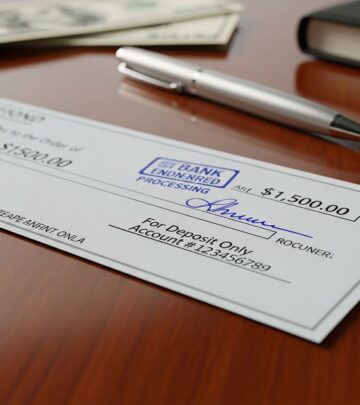
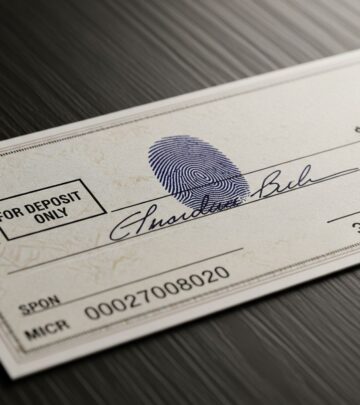
For added security and peace of mind, you can use a restrictive endorsement, which is particularly useful for mobile check deposits. Writing “For Deposit Only” or “For Mobile Deposit Only at [Your Bank Name]” in the endorsement box above your signature ensures that the check can only be deposited into an account bearing the payee’s name. With a restrictive endorsement, the check cannot be cashed or partially withdrawn as cash. This method is typically what banks recommend for mobile check deposit transactions. Once you’ve added the “For Deposit Only” information, sign your name below the instructions, ensuring everything remains inside the endorsement box.
Special Endorsement (Third-Party Endorsement)
If you need to transfer ownership of a check to someone else, you can use a special endorsement. To do this, write “Pay to the order of [new payee’s name]” followed by your signature. This transfers the check’s rights to another person, who then becomes responsible for depositing or cashing it. However, it’s important to note that not all banks allow third-party endorsements, so verify with your financial institution before using this method.
Mobile Endorsement
For mobile deposits through your bank’s app, you may need to use a mobile-specific endorsement. Write “For Mobile Deposit Only at [Your Bank Name]” followed by your signature. This ensures the check can only be processed through mobile deposit and adds another layer of security to your transaction.
Business Check Endorsements
The process differs slightly when a check is made payable to a business rather than an individual. In this case, an authorized individual must endorse the check on behalf of the company. To properly endorse a business check, follow these steps:
- Write the name of the business in the endorsement section, exactly as it’s written on the “Pay to the Order Of” line on the front of the check.
- Sign your name as the authorized individual.
- Add your official title (such as Owner, Manager, Accountant, or Treasurer).
- Include any necessary restrictions (such as “For Deposit Only” or “For Mobile Deposit Only”).
This process ensures clear authorization and proper record-keeping for business transactions.
When to Endorse Your Check
The timing of your check endorsement depends on how you plan to handle the check:
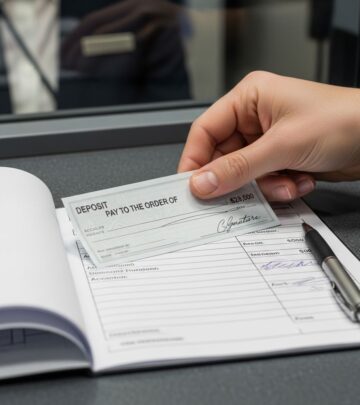
- In-person deposits: Endorse the check while you’re in line or just before handing it to the teller at your bank branch.
- ATM deposits: Sign the back of the check right before inserting it into the ATM machine.
- Mobile deposits: Endorse the check after launching your banking app and selecting the mobile deposit option.
- Transferring to someone else: Only endorse when you’re with the other person and ready to hand over the check.
Timing your endorsement correctly helps ensure the check is processed securely and reduces the risk of unauthorized use.
Common Mistakes to Avoid When Endorsing Checks
Understanding common endorsement mistakes helps you process checks correctly and avoid unnecessary delays or complications:
- Using pencil or erasable ink: Always use permanent black or blue ink to prevent alterations or fraud.
- Writing outside the endorsement box: Keep all signatures and notations within the designated area to avoid processing issues.
- Signing with a drastically different signature: Inconsistent signatures can trigger bank verification procedures and delay processing.
- Endorsing before verifying check details: Always confirm all information before signing to catch errors early.
- Not using restrictive endorsements for security: For checks you’re not depositing immediately, use “For Deposit Only” to protect against unauthorized use.
- Ignoring the “Do Not Write Below This Line” section: Writing below this line can interfere with bank processing equipment and encoding systems.
Security Tips for Check Endorsement
Protecting your financial information and preventing check fraud should be a priority when endorsing checks. Consider these security best practices:
- Endorse checks only when you’re ready to deposit or cash them, not when you first receive them.
- Use restrictive endorsements whenever possible, especially for checks received through the mail.
- Store uncashed checks in a secure location, such as a locked drawer or safe.
- Keep your endorsement style consistent with your bank records to reduce verification delays.
- Never endorse blank checks or post-dated checks unless absolutely necessary.
- Report lost or stolen checks to your bank immediately.
- Mark checks as deposited after completing mobile deposits to track which checks have been processed.
Comparison of Endorsement Types
To help you choose the right endorsement method for your situation, here’s a comparison of the main endorsement types:
| Endorsement Type | What to Write | Security Level | Best For |
|---|---|---|---|
| Blank Endorsement | Your signature only | Low | Immediate in-person deposits at your bank |
| Restrictive Endorsement | “For Deposit Only” + signature | High | Mail deposits and checks held before deposit |
| Mobile Endorsement | “For Mobile Deposit Only” + bank name + signature | High | Mobile app check deposits |
| Special Endorsement | “Pay to the order of [Name]” + signature | Medium | Transferring checks to other people |
Frequently Asked Questions About Check Endorsement
Q: What happens if I sign a check with the wrong name?
A: If you sign a check with a name different from what appears on the front, you may need to contact your bank for verification. If the name is significantly different, the check may be rejected. If your name is misspelled on the check, sign with the incorrect spelling first, then sign below with the correct spelling.
Q: Can I endorse a check to someone else?
A: Yes, you can endorse a check to someone else using a special endorsement by writing “Pay to the order of [their name]” followed by your signature. However, not all banks accept third-party endorsements, so check with your financial institution first.
Q: How long is a check valid after it’s written?
A: Most checks are valid for six months from the date written. After this period, the check may be considered stale and your bank could refuse to process it. Always verify the date before endorsing and depositing a check.
Q: What should I do if I endorse a check but don’t deposit it right away?
A: If you won’t deposit a check immediately after endorsing it, use a restrictive endorsement with “For Deposit Only” to protect against unauthorized use. Store the endorsed check in a secure location until you’re ready to deposit it.
Q: Can I use a digital signature to endorse a check?
A: For traditional paper checks, you must use a handwritten signature with permanent ink. However, for mobile deposits, your bank’s app may allow digital signatures or other verification methods. Check with your specific bank for their requirements.
Q: What if the written and numerical amounts on the check don’t match?
A: If the written and numerical amounts differ, your bank will use the spelled-out amount as the official value. If you notice this discrepancy, contact the payer to clarify the intended amount before depositing the check.
Q: Is it safe to endorse checks for mobile deposit?
A: Yes, mobile deposit is a safe banking method. To maximize security, use a mobile-specific endorsement such as “For Mobile Deposit Only at [Your Bank Name]” followed by your signature. This ensures the check can only be processed through mobile deposit and nowhere else.
Q: What should I do with a check after I’ve deposited it via mobile deposit?
A: After completing a mobile deposit, mark the check as deposited and store it in a secure place until you verify that the payment has reached your bank account. Once confirmed, you can securely destroy the check by shredding it.
Key Takeaways for Check Endorsement
Proper check endorsement is a straightforward but important banking process. By following these guidelines, you can ensure your checks are processed safely and quickly. Always verify check details before endorsing, use permanent ink for your signature, choose the appropriate endorsement type for your situation, and consider using restrictive endorsements for added security. Whether you’re depositing checks in person, at an ATM, or through mobile banking, understanding the correct endorsement procedures protects your financial information and ensures smooth transactions with your bank.
References
- How to Endorse a Check — PNC Insights. 2024. https://www.pnc.com/insights/personal-finance/spend/how-to-endorse-a-check.html
- How to Endorse a Check — Experian. 2024. https://www.experian.com/blogs/ask-experian/how-to-endorse-check/
- How to Endorse a Check: 6 Important Steps — Regions Bank. 2024. https://www.regions.com/insights/personal/article/how-to-endorse-a-check
- How to Endorse a Check: Step-by-Step Guide — WaFd Bank. 2024. https://www.wafdbank.com/articles/banking-101/how-to-endorse-a-check
- How to Endorse a Check | 5 Easy Steps — Citizens Bank. 2024. https://www.citizensbank.com/learning/how-to-endorse-a-check.aspx
- How to Endorse a Check — Chase. 2024. https://www.chase.com/personal/banking/education/basics/how-to-endorse-a-check
- How Do I Endorse a Check for Deposit? — Armed Forces Bank. 2024. https://www.afbank.com/article/how-do-i-endorse-a-check-for-deposit
Similar Articles








Read full bio of medha deb