How To Eat Healthy On A Tight Budget: $20-$30 Weekly Meal Plan
Discover practical strategies and meal ideas to maintain a nutritious diet without overspending, even on the tightest budgets.
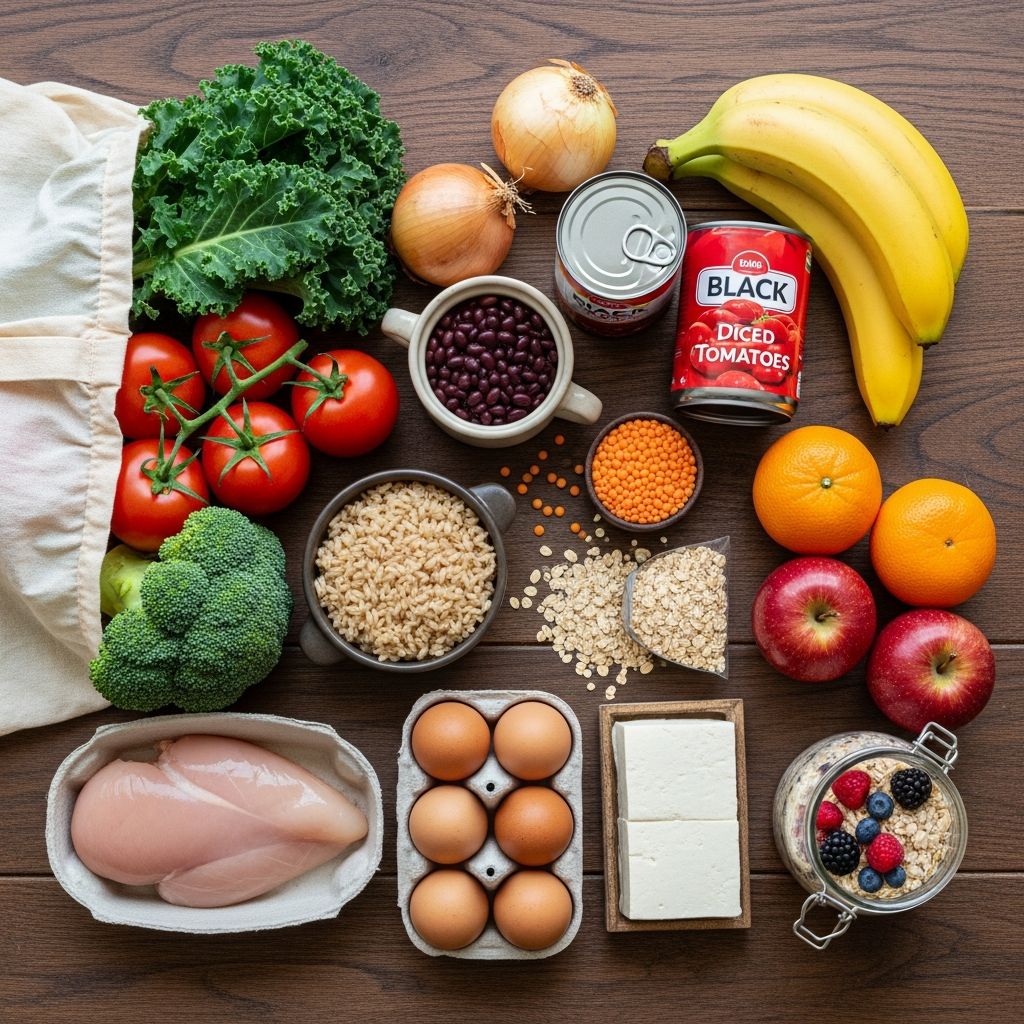
Eating healthy does not require a large budget. Research demonstrates that nutritious menus meeting USDA Dietary Guidelines can be created for as low as $19–$31 per day when shopping at bulk supermarkets, averaging $25 daily or about $756 monthly in 2010 dollars (equivalent to $838 in 2015). By focusing on affordable staples like beans, whole grains, seasonal produce, and strategic shopping, individuals in low-income households can achieve balanced nutrition without processed foods or excessive costs.
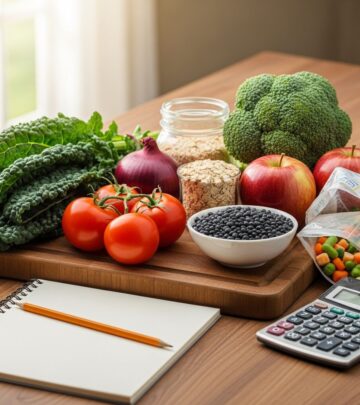
Plan Your Meals and Shopping List in Advance
Meal planning is the cornerstone of budget-friendly healthy eating. Start by mapping out a week’s worth of meals using inexpensive, versatile ingredients that stretch across multiple dishes. For instance, a $41.91 two-week grocery haul from discount stores like Aldi can feed a family of three, emphasizing staples such as oats, rice, eggs, beans, potatoes, carrots, apples, cabbage, and cheese. This approach minimizes waste, reduces impulse buys, and ensures nutritional balance.
Create a tentative menu beginning with ‘slam-dunk wins’—reliable, cheap healthy foods like beans, lentils, eggs, oats, and root vegetables. Then build out variations while staying within budget, making strategic upgrades like adding frozen vegetables when possible. Community-based studies confirm that such planning meets daily targets for grains, vegetables, fruits, dairy, proteins, and limits on oils, with two-week menus hitting 2600–1600 calorie levels affordably.
Shop Smart: Choose Discount Stores and Bulk Buying
Opt for discount grocers like Aldi, where prices are significantly lower. A sample two-week list might include:
- 10 lb potatoes: $1.99
- 10 lb carrots: $1.49
- 10 lb onions: $2.99
- 5 lb cabbage: $1.49
- 2 lb dry pintos: $1.78
- 2 lb oatmeal: $1.38
- 5 lb rice: $2.45
- 2 blocks cheese: $4.00
- Dozen eggs: $1.55
Totaling under $42, this list supports diverse meals. Buy in bulk for grains, beans, and rice, which are cheaper per unit and store well. Avoid e-commerce or coupon sites; focus on raw, unprocessed items to cut costs further.
Embrace Seasonal and Frozen Produce
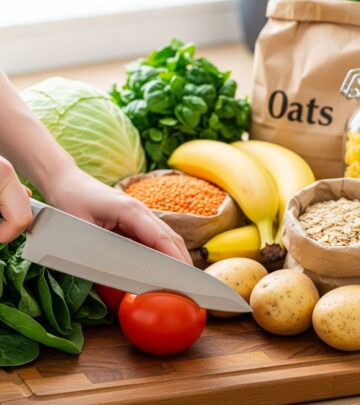
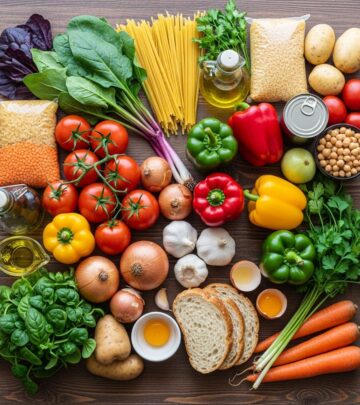
Seasonal fruits and vegetables cost less and taste better. Prioritize in-season options like apples, carrots, cabbage, and potatoes, which provide fiber, vitamins, and satiety at low prices. When fresh produce spikes in cost, turn to frozen varieties—they retain nutrients and are often cheaper year-round. Studies show low-income shoppers can meet vegetable servings (4–7 daily) using these affordable sources without exceeding budgets.
For example, incorporate cabbage in stir-fries or soups, carrots in stews, and apples as snacks. These choices align with Dietary Guidelines, delivering 60–106 vegetable servings over two weeks.
Prioritize Beans, Lentils, Eggs, and Oats
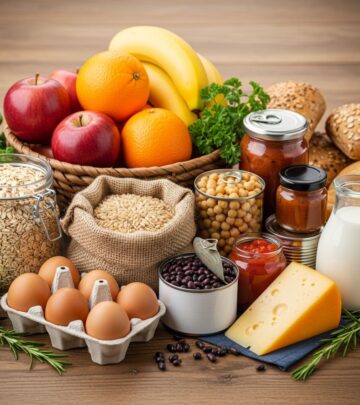
Protein-rich beans and lentils replace pricier meats, offering fiber and satiety at a fraction of the cost. Dry beans at $0.89/lb yield high nutrition. Eggs provide complete protein for $1.55/dozen, while oats deliver whole grains for breakfasts and baking.
| Food Group | Daily Recommendation (2600 cal) | Two-Week Total Achieved |
|---|---|---|
| Grains (oz) | 9 | 126 |
| Vegetables (servings) | 7 | 106 |
| Fruits (servings) | 4 | 64 |
| Meat/Beans (oz) | 8.5 | High via beans |
These staples meet guidelines by shifting from high-fat meats to plant proteins, often using white flour products selectively to control calories.
Cook from Scratch and Stretch Ingredients
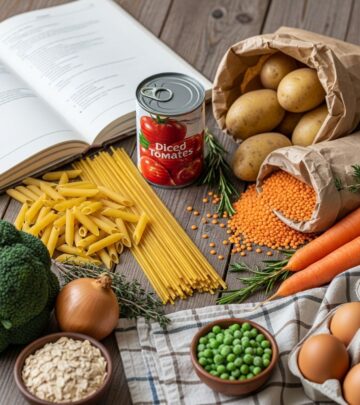
Prepare meals at home to avoid processed food premiums. Use one ingredient across dishes: potatoes in hashes, soups, and bakes; rice in stir-fries and porridges; beans in chili, salads, and patties. Cooking in batches saves time and money—freeze leftovers for later. This method supports ‘time-friendly’ menus with realistic portions and variety to prevent boredom.
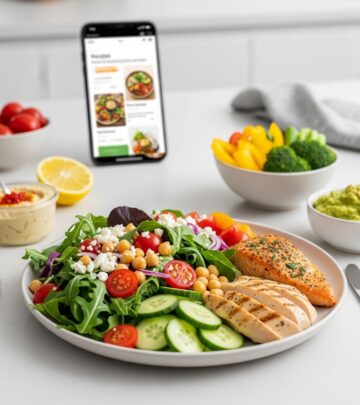
Sample daily structure: Breakfast oats with apples; lunch bean salad; dinner veggie stir-fry with rice and eggs. Total daily cost stays under $25.
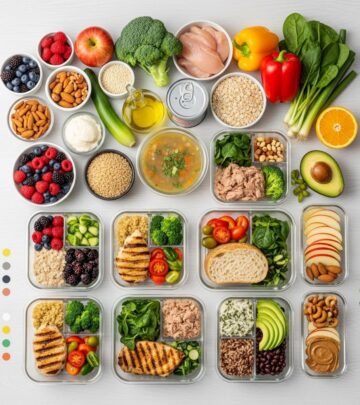
Sample Weekly Meal Plan for $20–$30/Week
Adaptable for one person or scaled up:
- Monday: Oatmeal breakfast, carrot-onion soup lunch, cabbage-bean stir-fry with rice dinner.
- Tuesday: Eggs and potatoes, lentil stew, cheese quesadilla with veggies.
- Wednesday: Overnight oats, potato hash, rice and beans with cabbage.
- Thursday: Apple-oat pancakes, veggie soup, egg fried rice.
- Friday: Boiled eggs, bean salad, potato-cheese bake.
- Weekend: Rotate leftovers, add simple salads.
This plan uses the Aldi list, providing balanced macros and meeting most USDA targets.
Modify Recipes for Health and Savings
Tweak favorites: Swap pasta for spaghetti squash (if affordable) or zucchini; use ground turkey or beans instead of beef. Reduce oil (limit to 5–8 tsp daily) and salt by focusing on whole foods. Whole grains like corn tortillas or oats often prove cheaper and easier than whole wheat bread in budget constraints.
Grow Your Own Herbs and Sprouts
Supplement with windowsill sprouts or herbs like basil and cilantro from seeds—negligible cost, high nutrition. These add greens affordably, enhancing flavor without market prices.
Avoid Processed Foods and Empty Calories
Steer clear of high-fat, sugary items that low-income shoppers often choose for calorie density. Instead, select nutrient-dense foods, even if slightly pricier per calorie, for long-term health. Market baskets show healthier swaps (e.g., low-fat beef) cost 17% more, but plant shifts like beans eliminate this need.
Frequently Asked Questions (FAQs)
Q: Can I really meet nutritional guidelines on a tight budget?
A: Yes, community-developed menus meet USDA objectives for $19–$31 daily using bulk buys and plant proteins.
Q: What if I don’t have time to cook every day?
A: Batch cook staples like beans and rice; menus are designed to be time-friendly with simple recipes.
Q: Are discount store foods healthy?
A: Absolutely—focus on raw produce, grains, and eggs for balanced nutrition without processing.
Q: How do I add more greens cheaply?
A: Use seasonal cabbage, carrots, frozen veggies, or grow sprouts; they’re bargain options.
Q: Is this suitable for families?
A: Yes, scaled lists feed families for $65/week, emphasizing stretchable ingredients.
Long-Term Benefits and Adjustments
Sustained planning yields health gains: lower fat/sugar intake, higher fiber, and guideline adherence. Track expenses weekly, adjust for local prices, and experiment for variety. Over time, this builds habits for frugal, healthy eating at the ‘intersection of cheap and healthy.’
References
- Yes we can. Eating healthy on a limited budget — Mitchell Community College researchers. 2019-05-29. https://pmc.ncbi.nlm.nih.gov/articles/PMC6601616/
- How to Eat Well on Just $20 a Week (With Meal Plans!) — Wise Bread. Accessed 2026. https://www.wisebread.com/how-to-eat-well-on-just-20-a-week-with-meal-plans
- Best Money Tips: How to Eat Healthy on a Tight Budget — Wise Bread. Accessed 2026. https://www.wisebread.com/best-money-tips-how-to-eat-healthy-on-a-tight-budget
- Healthy, frugal eating — Wise Bread. Accessed 2026. https://www.wisebread.com/healthy-frugal-eating
- Eating at the Intersection of Cheap and Healthy — Wise Bread. Accessed 2026. https://www.wisebread.com/eating-at-the-intersection-of-cheap-and-healthy
Similar Articles








Read full bio of Sneha Tete