How to Easily Open Bank Accounts: Complete Guide
Learn how to open a bank account effortlessly with our comprehensive step-by-step guide and pro tips.
How to Easily Open Bank Accounts: A Comprehensive Guide
Opening a bank account is one of the most fundamental steps toward managing your finances effectively. Whether you’re a first-time account holder, a student, or someone looking to switch banks, the process is more straightforward than ever. With online banking options, minimal requirements, and instant account activation at many institutions, opening a bank account has never been easier. This guide will walk you through everything you need to know about opening accounts at banks, credit unions, and online-only financial institutions.
Why You Need a Bank Account
A bank account is essential for safe money management in the modern world. Instead of carrying cash, which can be lost or stolen, a bank account provides security and convenience. Your deposits are protected by federal insurance—most checking and savings accounts are insured up to $250,000 by the Federal Deposit Insurance Corporation (FDIC) or the National Credit Union Administration (NCUA). Bank accounts also provide access to essential services like direct deposit, bill payment, online transfers, and debit cards. Beyond security, having a bank account helps you build financial habits, establish banking history, and access credit products in the future.
Types of Bank Accounts Available
Before opening an account, it’s important to understand the different types of accounts available and choose the one that best fits your needs.
Checking Accounts
Checking accounts are designed for frequent transactions and daily spending. They typically come with a debit card, checkbook, online banking access, and mobile apps. Many checking accounts offer unlimited deposits and withdrawals, making them ideal for managing regular expenses and receiving paychecks through direct deposit.
Savings Accounts
Savings accounts are designed to help you build funds for future goals. They usually offer interest on your balance, though rates vary by institution. Savings accounts often have more limited withdrawal options compared to checking accounts but focus on helping you grow your money over time.
Money Market Accounts
Money market accounts combine features of both checking and savings accounts, typically offering higher interest rates while allowing limited check writing and debit card access.
Online-Only Accounts
Many financial institutions now offer online-only accounts with no physical branches. These accounts often feature lower fees, higher interest rates, and convenient digital management, perfect for tech-savvy customers.
Choosing Where to Open Your Account
You have three main options for where to open a bank account: traditional banks, credit unions, or online-only institutions. Each has distinct advantages.
Traditional Banks
Traditional banks offer extensive branch networks, allowing you to deposit cash, speak with representatives, and access services in person. However, they may charge higher monthly fees and have stricter minimum balance requirements.
Credit Unions
Credit unions are member-owned financial institutions that often offer competitive rates, lower fees, and personalized service. Your deposits are also insured up to $250,000 by the NCUA, providing the same protection as traditional banks.
Online-Only Banks
Online banks eliminate physical locations, allowing them to offer lower fees, no monthly service charges, and higher interest rates. They’re ideal if you’re comfortable managing your finances entirely through apps and websites.
Documents and Information You’ll Need
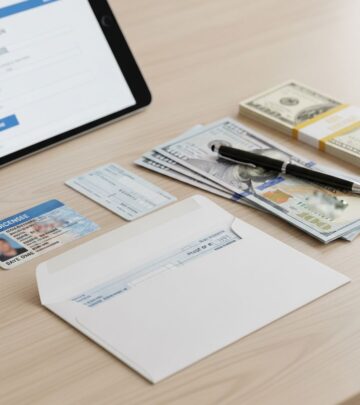
Before applying for a bank account, gather all necessary documents. Having everything ready streamlines the process and prevents delays. Here’s what you typically need:
- Government-issued photo ID: A driver’s license, passport, or state ID card
- Social Security number (SSN) or ITIN: Proof of your identification number for verification purposes
- Proof of address: A recent utility bill, lease agreement, or other document showing your current address
- Initial deposit: Money to fund your account, typically ranging from $5 to $100
- Secondary identification: A Social Security card, birth certificate, or additional proof of identity
Some banks may ask for additional information depending on their policies and your situation. If you’re under 18, a parent or guardian may need to be present and provide their identification as well.
Step-by-Step Process for Opening a Bank Account
Step 1: Decide What Type of Account You Need
Before visiting a bank or applying online, determine your banking needs. Will you be using this account primarily for deposits and bill payments? Are you looking to build savings? Do you need frequent access to physical branches? Your answers will guide whether you need a checking account, savings account, or both.
Step 2: Research and Compare Banks
Don’t open the first account you find. Compare multiple institutions based on these factors:
- Monthly maintenance fees
- Minimum balance requirements
- ATM access and availability
- Online and mobile banking features
- Interest rates (for savings accounts)
- Overdraft policies and fees
- Branch locations and hours
- Customer service quality
Step 3: Gather Your Required Documents
Collect all necessary identification and financial information. Having everything ready ensures a smooth application process, whether you’re applying in person or online. Make copies of your documents if you’re concerned about providing originals.
Step 4: Apply In Person or Online
You have flexibility in how you apply. Visit a local branch to apply in person and ask questions, or use the bank’s website to apply online at your convenience. Online applications are often faster, allowing you to complete the process in minutes from home. In-person applications let you speak directly with a representative who can answer specific questions about account features and help you choose the best option for your needs.
Step 5: Complete the Application Form
Whether applying online or in person, you’ll fill out an application form providing personal information such as your name, date of birth, address, Social Security number, and employment details. Review all information carefully for accuracy before submitting.
Step 6: Make Your Initial Deposit
Fund your new account with your opening deposit. Depending on the bank and your chosen method, you can deposit cash in person, deposit a check, or transfer funds from another existing account. Some banks offer instant account access, while others may take one to two business days to process your deposit and activate the account.
Step 7: Set Up Online and Mobile Banking
Once your account is open, register for online banking and download your bank’s mobile app. Create a strong, unique password combining uppercase and lowercase letters, numbers, and symbols. Enable any available security features like two-factor authentication. This setup allows you to monitor your balance, transfer funds, pay bills, and deposit checks remotely.
Step 8: Activate Your Debit Card
Your debit card may be activated immediately in-branch or arrive in the mail within one to two weeks. Follow your bank’s instructions to activate it, which usually involves calling a phone number or using the mobile app. You may need to set a personal identification number (PIN) for security.
Step 9: Set Up Direct Deposit
If you have an employer or receive regular payments, set up direct deposit. This automatically deposits funds into your account on schedule, often waiving monthly maintenance fees and ensuring convenient access to your money.
What to Expect When Opening a Bank Account
The bank account opening process is designed to be quick and user-friendly. Most applications—whether online or in person—take less than 15 minutes to complete. When you visit a branch, a banker will guide you through the process, answer your questions, and help you understand account features. Online applications move even faster, often providing instant confirmation and same-day or next-day account activation.
Many banks offer incentives for new customers, including sign-up bonuses, fee waivers for the first year, or interest rate promotions. Some accounts allow you to access your funds immediately, while others may hold funds for one to two business days. Most banks provide instant debit card activation in-branch or mail cards within 5-10 business days.
Pro Tips to Avoid Common Mistakes
Compare Fees Before Committing
Not all accounts are created equal. Some banks charge $15-25 monthly maintenance fees, while others offer completely free checking. Compare fee structures carefully, including overdraft fees, ATM fees, and minimum balance requirements. A free account can save you hundreds of dollars annually.
Verify FDIC or NCUA Insurance
Always confirm that your chosen bank or credit union maintains FDIC or NCUA insurance. This protection ensures your deposits up to $250,000 are safe, even if the institution fails. Never bank with an uninsured institution.
Choose an Account with Convenient ATM Access
If you prefer using ATMs, select a bank with extensive ATM networks or join a credit union network that offers shared branching. Using out-of-network ATMs can result in fees ranging from $2-5 per transaction.
Take Advantage of Digital Banking Features
Modern banking relies on digital tools. Choose an account with robust online and mobile banking, bill payment capabilities, check deposits through photos, and balance alerts. These features make managing your account more convenient and secure.
Start with a Realistic Opening Deposit
Don’t feel pressured to make a large opening deposit. Many banks allow accounts to open with just $5 to $25. Start small and build your account balance over time as your financial situation improves.
Activate Online Banking Immediately
Don’t delay setting up online and mobile banking. Digital access provides convenience and security, allowing you to monitor transactions, receive alerts about suspicious activity, and manage your account 24/7.
Understand Minimum Balance Requirements
Know the difference between the minimum opening deposit and the minimum balance requirement. You might open an account with $25, but need to maintain a $500 minimum balance to avoid fees. Clarify this with your bank to avoid unexpected charges.
Opening an Account as a Minor
If you’re under 18, you’ll need a parent or legal guardian to co-own the account. Parents typically provide their identification and information, then the minor provides theirs. Many banks offer student checking accounts with features designed for young people, including no monthly fees, parental monitoring tools, and financial education resources. As minors reach age 18, they can often upgrade to standard adult accounts while keeping the same account number and debit card.
Special Considerations for First-Time Bank Account Holders
If you’ve never had a bank account, don’t worry—the process is designed to be accessible. Start with a simple checking account at a bank or credit union near your home or workplace. Choose an institution with clear fee structures and customer-friendly policies. Take time to learn about your account features through online tutorials or speaking with bank representatives. Many banks offer financial education resources for first-time customers.
Frequently Asked Questions (FAQs)
Q: How much money do I need to open a bank account?
A: Many banks allow you to open an account with as little as $5-$25. Some online banks require no opening deposit at all. Check with your chosen institution for their specific requirements.
Q: Can I open a bank account online?
A: Yes, most banks now offer online account opening. You can typically complete the entire process in minutes using your computer or smartphone, providing your information and uploading photos of your identification documents.
Q: How quickly can I access my account after opening it?
A: Online accounts often activate within minutes to hours. In-person applications typically activate the same day or the next business day. Your debit card may arrive in the mail within 5-10 business days, though some banks offer instant card activation at the branch.
Q: What if I don’t have a Social Security number?
A: You can open some accounts using an Individual Taxpayer Identification Number (ITIN), a passport number, or other government-issued identification. Contact banks directly about their policies for non-citizens or those without a SSN.
Q: Are my deposits protected if the bank fails?
A: Yes, your deposits up to $250,000 are protected by FDIC insurance (for banks) or NCUA insurance (for credit unions). This protection applies to checking accounts, savings accounts, and money market accounts at insured institutions.
Q: Can I have multiple accounts at different banks?
A: Absolutely. Many people maintain accounts at multiple institutions for different purposes or to take advantage of various benefits. Just remember that FDIC insurance covers up to $250,000 per depositor per institution, so your total protection increases when you spread deposits across different banks.
Q: What should I do if I lose my debit card?
A: Contact your bank immediately to report the lost card. Most banks can deactivate it instantly and mail a replacement card within 5-10 business days. Many offer expedited replacement for an additional fee.
References
- How to Open a Bank Account – Step-by-Step Guide — Money Fit. 2025. https://www.moneyfit.org/how-to-guides/banking/how-to-open-a-bank-account/
- Checklist for Opening a Bank or Credit Union Account — Consumer Financial Protection Bureau. 2024. https://files.consumerfinance.gov/f/documents/cfpb_adult-fin-ed_checklist-for-opening-an-account.pdf
- Money Basics Guide to Savings and Checking Accounts — National Credit Union Administration. 2024. https://mycreditunion.gov/sites/default/static-files/money-basics-guide-savings-checking-accounts.pdf
- Opening a Bank Account | Financial Literacy — Khan Academy. 2025. https://www.khanacademy.org/college-careers-more/life-skills/xfb5d8e6617b63d53:banking/xfb5d8e6617b63d53:understanding-bank-accounts/v/opening-a-bank-account
- Guide to Your First Bank Account — Federal Reserve Bank of Atlanta. 2024. https://www.atlantafed.org/banking-and-payments/publications/guide-to-your-first-bank-account
Similar Articles








Read full bio of medha deb