How to Earn Extra Income With a Drone
Put that new drone to good use and make a little extra cash on the side with these proven strategies.
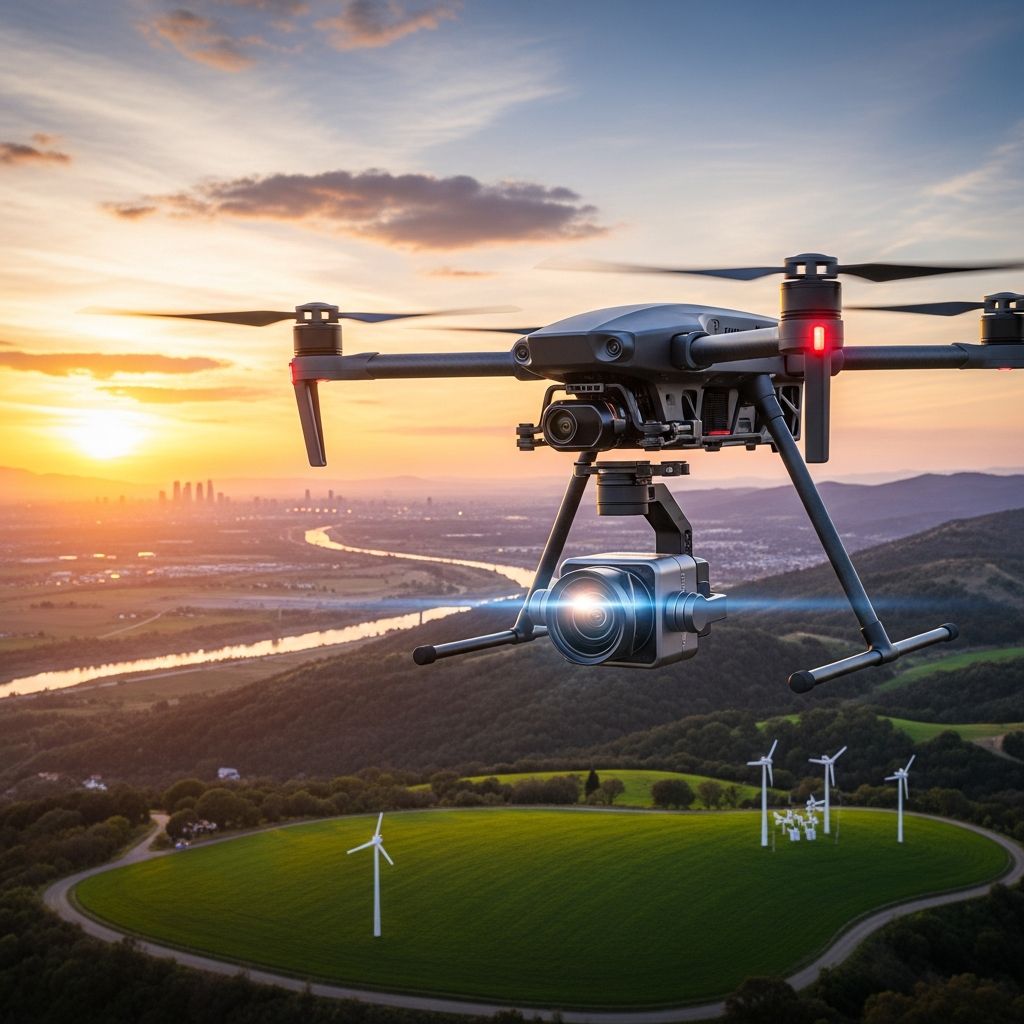
Drones have evolved from high-tech toys to powerful tools for generating supplemental income. With the rise of aerial photography, videography, and specialized inspections, owning a drone opens doors to lucrative side hustles. Whether you’re a hobbyist looking to offset costs or an aspiring entrepreneur, this guide covers proven methods to monetize your drone, essential regulations, equipment recommendations, and strategies for success. Covering everything from real estate gigs to agricultural mapping, you’ll find actionable steps to launch your drone-based business.
Understanding Drone Regulations for Commercial Use
Before flying for profit, familiarize yourself with FAA rules. In the US, commercial drone operations require a Part 107 Remote Pilot Certificate. This involves passing a knowledge test on airspace, weather, and safety. Recreational flyers don’t need it, but any paid work demands certification. Renew every 24 months with free online training. Always check local laws, no-fly zones via apps like B4UFLY, and obtain waivers for night flights or beyond visual line of sight (BVLOS). Insurance is crucial—policies start at $500/year to cover liability up to $1 million. Non-compliance risks fines up to $32,666 per violation.
- Get Certified: Study FAA resources and pass the Part 107 exam ($175).
- Register Your Drone: $5 for drones over 0.55 lbs via FAA DroneZone.
- Mark Your Drone: FAA registration number on exterior.
- Pre-Flight Checks: Verify weather, battery, and NOTAMs.
1. Aerial Photography and Videography
The most accessible entry point: offer stunning aerial shots for events, landscapes, and marketing. Wedding videographers pay $500–$2,000 per gig for cinematic drone footage. Stock sites like Shutterstock accept drone photos, earning $0.25–$28 per download. Build a portfolio on Instagram or Vimeo to attract clients. Rates: $100–$300/hour. Invest in a DJI Mavic 3 with 5.1K video for pro results.
Target realtors, tourism boards, and event planners. Use platforms like Upwork or local Facebook groups to find jobs. Pro tip: Edit footage in Adobe Premiere for polished deliverables.
2. Real Estate Photography
Realtors love drone shots for listings—80% sell faster with aerial views. Charge $150–$500 per property, including 20–30 HD photos and a virtual tour video. Network at open houses or join real estate Facebook groups. Top earners hit $5,000/month servicing multiple agents. Bundle with ground photos for premium packages ($750+).
| Package | Features | Price |
|---|---|---|
| Basic | 10 aerial photos | $150 |
| Standard | 25 photos + 2-min video | $350 |
| Premium | Full tour, twilight shots | $500+ |
3. Roof and Property Inspections
Inspectors and insurance companies hire drone pilots for safe, efficient roof assessments. Spot damage without ladders—save time and reduce risk. Charge $200–$600 per inspection, delivering annotated photos and reports. Target roofing companies, home inspectors, and insurers via LinkedIn. Thermal cameras ($1,000 add-on) detect leaks, boosting value.
- Advantages: 50% faster than manual inspections.
- Clients: 70% of roofers now use drones per industry surveys.
4. Construction Site Monitoring
Contractors use drones for progress tracking, volume calculations, and safety compliance. Weekly flights ($400–$1,000) create orthomosaic maps and 3D models via software like Pix4D. Pitch to builders on large projects—earn recurring contracts. Certifications in surveying add credibility.
5. Agricultural Mapping and Crop Monitoring
Farmers pay for NDVI (vegetation health) maps to optimize irrigation and fertilizers. Multispectral sensors ($2,000) on drones like DJI Phantom 4 Multispectral yield data worth $1–$5/acre. Serve mid-sized farms; seasonal work peaks in spring/fall. Government subsidies for precision ag increase demand.
6. Event Coverage
Capture festivals, sports, and corporate events from unique angles. Concerts ($1,000+), marathons, and parties need permits but pay well. Coordinate with organizers for airspace clearance. Live streaming via DJI’s O3 transmission elevates services.
7. Search and Rescue Assistance
Partner with local fire/police for volunteer SAR ops, leading to paid contracts. Thermal drones locate missing persons efficiently. Certifications and MOUs required. Rates: $300–$800/mission.
8. Selling Stock Footage
Upload to Pond5, Getty Images—passive income from timeless footage. Urban skylines, nature, and abstracts sell best. Earn royalties indefinitely; top clips net $1,000s yearly.
9. Drone Delivery Services
Emerging: Partner with Amazon Prime Air or local businesses for small package drops. Heavily regulated; focus on rural areas. Future potential as FAA approves more BVLOS.
10. Teaching Drone Piloting
Offer classes ($50–$150/student) or Part 107 prep courses online via Teachable. YouTube tutorials monetize via ads/sponsorships. Demand grows with 1M+ US drones registered.
Essential Equipment and Budget
Start with $1,000–$3,000 setup:
- Drone: DJI Mini 4 Pro ($759, under 250g—no registration).
- Accessories: Extra batteries ($200), NDAA-compliant goggles ($500).
- Software: DroneDeploy ($99/month) for mapping.
- Storage: 1TB SSD ($100).
Scale to enterprise models like Matrice 300 RTK ($10,000+) for pro work.
Marketing Your Drone Services
Create a website via Squarespace ($12/month) with portfolio, testimonials, and booking form. SEO keywords: ‘drone photographer [city]’. Network on LinkedIn, attend industry meetups. Offer intro discounts to build reviews. Track ROI with Google Analytics.
Challenges and Risk Management
Weather dependency, battery life (20–30 min/flight), and competition. Mitigate with backups, scheduling flexibility. Client contracts outline scope, payments (50% upfront), and liability waivers.
Frequently Asked Questions (FAQs)
Do I need a license to make money with a drone?
Yes, in the US, a Part 107 certificate is required for commercial ops. Study and test via FAA-approved channels.
How much can I earn starting out?
Beginners average $50–$100/hour; experienced pilots $200+/hour with repeat clients.
What’s the best beginner drone for business?
DJI Mini 4 Pro: Lightweight, 4K video, 34-min flight time.
Are drones legal everywhere?
No—respect no-fly zones, privacy laws (no peeping), and get property owner permission.
How do I get clients?
Portfolio site, social media, Upwork, local networking, and Google My Business listing.
Success Stories
Pilot John Doe scaled from weddings to real estate, earning $60K/year part-time. Farmer Jane uses drones for 500-acre monitoring, saving 20% on inputs.
References
- FAA Part 107 Small Unmanned Aircraft Systems Regulations — Federal Aviation Administration. 2024-10-01. https://www.faa.gov/uas/commercial_operators
- Drone Pilot Ground School: Part 107 Study Guide — FAA. 2025-01-05. https://www.faa.gov/training_testing/training/drs
- Commercial Drone Market Report — Federal Aviation Administration. 2024-06-15. https://www.faa.gov/uas/resources/market_data
- UAS Sightings Report — FAA Aerospace Data. 2025-03-20. https://sua.faa.gov/report
- Precision Agriculture with UAS — USDA. 2024-11-12. https://www.nifa.usda.gov/grants/programs/precision-agriculture
Similar Articles







Read full bio of Sneha Tete