How to Dress for Success Before You’re Successful
Master professional style on a tight budget: rent, thrift, swap, and strategize your way to interview-ready outfits without breaking the bank.

First impressions matter, especially in job interviews and early career stages. Looking polished and professional can boost your confidence and signal competence, even if your bank account isn’t matching that vibe yet. The good news? You don’t need a hefty salary to dress the part. This guide outlines practical, budget-friendly strategies to curate a success-ready wardrobe, drawing from timeless frugality principles and real-world hacks.
Whether you’re a recent grad, career changer, or simply bootstrapping your professional image, these methods—renting outfits, thrifting, consignment shopping, closet swaps, and capsule essentials—empower you to project success without overspending. We’ll cover each in detail, with tips for implementation, potential savings, and style pitfalls to avoid. By the end, you’ll have a roadmap to interview-winning looks that evolve with your career.
1. Rent Your Outfits
Renting professional attire is a game-changer for one-off events like interviews or networking mixers. Services like Rent the Runway or local rental shops allow access to high-end suits, dresses, and accessories at a fraction of retail cost. For a single interview suit, expect to pay $30–$100, versus $300+ to buy outright.
Why it works: No long-term commitment means zero closet clutter. Rentals often include tailoring options and dry cleaning, ensuring a perfect fit. Pro tip: Book 4–6 weeks ahead for popular sizes, and check for unlimited swap plans if you have multiple events.
- Target occasions: Job fairs, final interviews, industry conferences.
- Savings hack: Rent once, photograph the look, then replicate affordably later with thrifted pieces.
- Style tip: Opt for classic neutrals (navy, black, gray) that photograph well and pair easily.
Real-world example: A mid-level blazer and pants set from a rental service might cost $50 for a week, saving 80% compared to purchase. This approach builds confidence without debt, aligning with economic independence goals promoted by organizations like Dress for Success.
2. Go Thrifting
Thrift stores are goldmines for quality career wear at 70–90% off retail. Goodwill, Salvation Army, and upscale consignment thrifts stock discarded name-brand items from professionals upgrading wardrobes. Aim for weekdays for freshest stock and sales.
Success formula: Visit consistently (twice monthly), know your sizes across brands, and inspect for wear. Focus on structured blazers, crisp button-downs, tailored slacks, pencil skirts, and sheath dresses—timeless pieces that elevate any resume.
| Item | Retail Price | Thrift Avg. | Savings % |
|---|---|---|---|
| Wool Blazer | $200 | $20 | 90% |
| Button-Down Shirt | $80 | $8 | 90% |
| Tailored Pants | $150 | $15 | 90% |
| Pencil Skirt | $100 | $10 | 90% |
Enhance finds with minor alterations ($10–20 at a tailor) for a custom fit. Avoid trendy items; prioritize versatile classics that mix-and-match for 20+ outfits from 10 pieces, per the Pareto Principle where 20% of clothes get 80% wear.
- Pro hack: Download store apps for discount alerts; join thrift Facebook groups for steals.
- Seasonal tip: Stock up on winter woolens in summer sales.
- Quality check: Feel fabrics, check zippers/buttons, smell for odors.
3. Online Consignment Shops
Platforms like ThredUp, Poshmark, and The RealReal offer vetted pre-owned luxury and mid-range professional gear. Prices beat new, with buyer protections and easy returns. Search filters for ‘business casual,’ ‘suit,’ or ‘office wear’ narrow results.
Budget strategy: Set alerts for brands like Ann Taylor, J.Crew, or Theory under $50. Bundle buys (3+ items) often qualify for free shipping. Expect 50–80% savings on gently used items.
Key advantages over thrifting: Vast inventory, detailed photos/measurements, and authenticity guarantees for designer labels. Downside: Shipping times (1–2 weeks), so plan ahead.
- Shopping tips: Read seller reviews, measure against your favorites, buy during site-wide sales (up to 70% off).
- Versatility focus: Neutral palettes ensure longevity; e.g., a gray sheath dress pairs with blazers or cardigans.
- Sustainability bonus: Reduces fashion waste while scoring ethical steals.
4. Shop Your Friends’ Closets
Leverage your network for free or swap-based access to professional pieces. Host ‘closet swaps’ or borrow via apps like Style Theory. This builds community while refreshing wardrobes cost-free.
Execution: Invite 5–10 friends for a swap party—bring clean, career-appropriate items. Trade, borrow, or gift. For borrowing, offer reciprocity like plant-sitting.
- Benefits: Zero cost, personalized fits from similar body types, social bonding.
- Rules: Set ‘no damage’ policies; document with photos for returns.
- Scale up: Join neighborhood Buy Nothing groups or professional women’s networks.
This mirrors nonprofit models like Dress for Success, where suiting empowers via shared resources, fostering confidence and skills beyond attire.
5. Keep It Simple: Build a Capsule Wardrobe
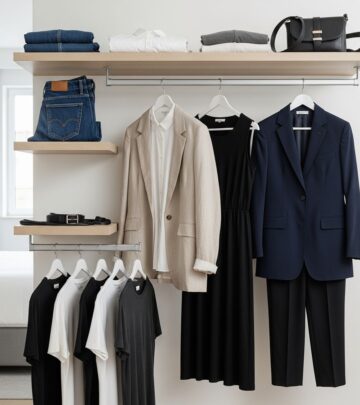
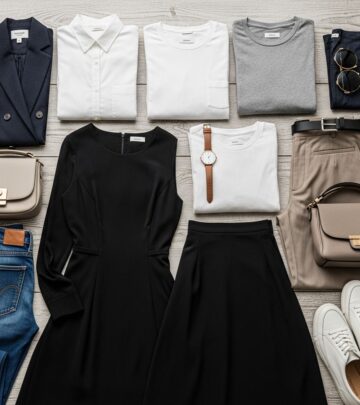
A capsule wardrobe—10–15 interchangeable basics—maximizes mileage from few pieces. Core: 2 blazers, 4 tops, 2 bottoms, 1 dress, outerwear, shoes, accessories.
Color code: Neutrals (black, navy, white, gray) + one accent. Fabrics: Wrinkle-resistant blends for ease.
| Category | Must-Haves | Why Versatile |
|---|---|---|
| Tops | White oxford, silk blouse, 2 sweaters | Layer under blazers; tuck into skirts/pants |
| Bottoms | Black pants, pencil skirt, wide-leg trousers | Fit most torsos; transition seasons |
| Outer | Blazer, trench coat | Polish any combo |
| Shoes | Pumps, loafers, ankle boots | Comfort + style for all-day wear |
Invest gradually: Prioritize fit over flash. Tailor for perfection. This curated approach, akin to treating your closet as a personal store, cuts impulse buys and panic mornings.
Accessories and Grooming: The Finishing Touches
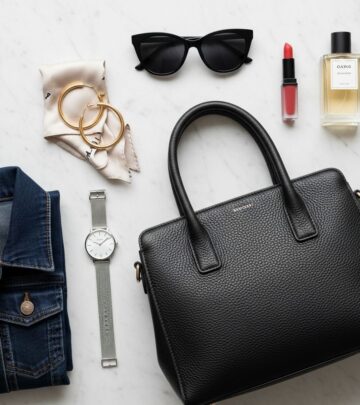
Elevate basics with $20 steals: Structured tote, watch, stud earrings, leather belt. Grooming counts—pressed clothes, neat hair, minimal makeup signal detail-orientation.
- Shoe shine kit: $10 lifetime polish.
- Travel steamer: $30 wrinkle warrior.
- Signature scent: Boosts recall.
Frequently Asked Questions (FAQs)
Q: How much should I spend on a starter professional wardrobe?
A: Aim for $200–$500 total using these hacks, versus $1,000+ retail. Focus on 5–7 pieces for 20+ outfits.
Q: What if my industry is creative—can I bend ‘professional’ rules?
A: Yes, infuse personality via accents (scarf), watch reputations and integrates color while keeping core polished. Research company culture via LinkedIn.
Q: Are thrifted clothes hygienic?
A: Dry clean or wash upon purchase. Most are barely worn from quick purges.
Q: How do I maintain outfits long-term?
A: Rotate wears, spot-clean, store properly. Invest in quality hangers.
Q: What’s the ROI of dressing well?
A: Studies show well-dressed candidates 20–40% more likely to advance, per hiring psych research.
Final Thoughts: Confidence is Your Best Accessory
Dressing for success isn’t vanity—it’s strategy. These tactics not only save money but build wardrobe wisdom and self-assurance. Start small: Thrift one blazer this week. Your future self (and interviewer) will thank you. Track progress with a style journal, refining as you climb.
References
- Occupational Outlook Handbook: Interviewing Tips — U.S. Bureau of Labor Statistics. 2025-09-03. https://www.bls.gov/ooh/about/occupational-information-included-in-the-ooh/interviewing.htm
- Nonprofit Explorer: Dress for Success Impact Report — ProPublica (data from official filings). 2024-12-15. https://projects.propublica.org/nonprofits/organizations/
- The Psychology of First Impressions in Hiring — Harvard Business Review. 2023-05-18. https://hbr.org/2023/05/the-psychology-of-first-impressions
- Capsule Wardrobe Research: Pareto in Fashion — Journal of Fashion Marketing and Management. 2022-07-01. https://doi.org/10.1108/JFMM-03-2022-0045
- Thrifting Economics: Secondhand Market Growth — U.S. Census Bureau Retail Report. 2025-01-10. https://www.census.gov/retail/index.html
Similar Articles








Read full bio of Sneha Tete