How to Dress for Success and Still Spend Less
Master professional style on a budget: smart shopping, timeless pieces, and savvy strategies for a polished look without breaking the bank.

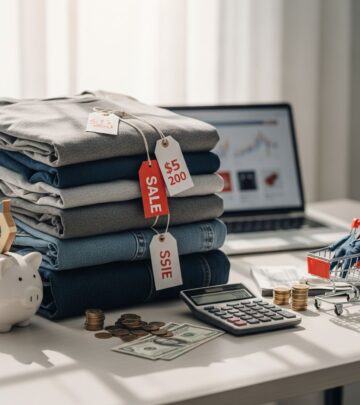
Building a professional wardrobe doesn’t have to drain your bank account. With strategic shopping at discount outlets like TJ Maxx, Nordstrom Rack, and thrift stores, focusing on timeless pieces, and mastering layering, you can achieve a polished look affordably. This guide covers proven methods to look sharp at work without overspending, drawing from real-world advice on classic styles and smart buying habits.
Develop Your Own Signature Style
The foundation of dressing for success on a budget starts with defining your personal style. Avoid chasing fleeting fashion trends pushed by the industry, which encourage constant buying to stay ‘current.’ Instead, opt for classic, versatile pieces that reflect your personality and fit your body well. This approach saves money long-term by reducing impulse purchases and ensuring clothes last multiple seasons.
Take time to assess your current closet. Play dress-up on a weekend: mix and match existing items to create outfits for the week ahead. Print or clip images of looks you admire from high-end stores, then replicate them affordably at thrift shops. Women who shop like men—buying multiples of basics—stretch their dollars further. Focus on comfort, avoiding high-maintenance items like those requiring dry cleaning or ironing.
Shop Smart: Discount Stores and Thrift Shops
Live at budget-friendly stores for designer quality at fractions of retail prices. Key spots include:
- TJ Maxx: Off-price designer clothes in varied sizes.
- Nordstrom Rack: High-end brands at deep discounts.
- Thrift stores and consignment shops: Hunt for barely-worn professional wear from wealthier buyers; expect designer finds under $10.
- Ann Taylor Loft sales: Use coupons for suits and basics.
- Off-season clearances: Buy winter sweaters in summer for $1 steals.
Thrift shopping requires effort but yields treasures like cashmere for pennies. Shop early in the season for sales or hit end-of-season racks. Always check for quality: crisp fabrics, good fits, and matching colors/patterns elevate basics to professional levels.
Embrace Layers, Layers, and More Layers
Layering multiplies outfit options without multiplying expenses. Start with affordable basics:
- A neutral tank top as the base.
- Add a button-up shirt for structure.
- Layer a fitted cardigan or blazer on top.
This ‘three-tank accessorizing’ creates variety from few pieces. A perfect blazer or jacket is essential, especially in offices like NYC environments. Layers adapt to temperature changes and dress codes, making a small wardrobe versatile. Critics note you may need more items overall, but quality basics worn frequently amortize costs effectively.
Invest in Timeless Classics and Multiples
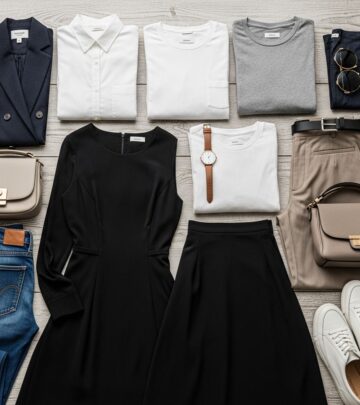
Buy classic items in multiples for mix-and-match magic. Prioritize:
| Item | Why Buy Multiples | Budget Tip |
|---|---|---|
| Black pants or skirt | Pairs with any top | Thrift for $5-15 |
| White button-up shirts | Layering essential | Discount racks, 3 for $20 |
| Neutral blazer | Polishes any look | Sale sections with coupons |
| Comfortable shoes | Daily wearhorse | Off-brand classics |
Stick to neutrals (black, navy, gray, white) that coordinate seamlessly. Refuse fads; chartreuse isn’t worth it. This men’s shopping strategy—simple, durable—works for women too, yielding ‘oodles’ of outfits from minimal buys.
Accessories: The Budget Multiplier
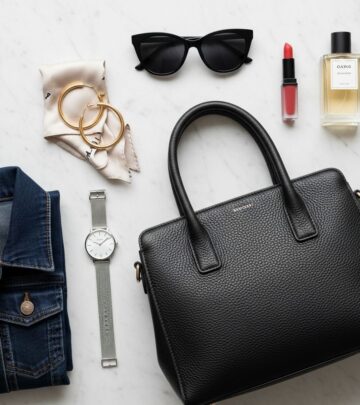
True accessorizing amplifies basics without bulk. Skip layering extra tanks; invest in:
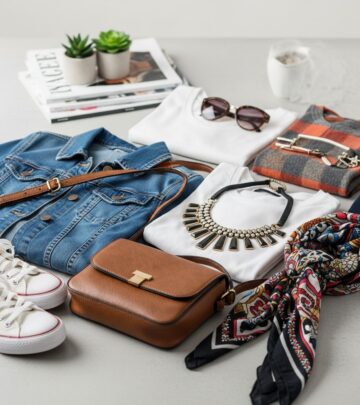
- Scarves, belts, and jewelry for instant elevation.
- A statement necklace or watch to draw eyes from simple clothes.
Women’s magazines endorse this timeless tactic. Pair with a notebook of inspo photos snapped at upscale stores, sourced cheaply elsewhere. Shoes often cost most, so prioritize versatile, comfortable pairs.
Avoid Fashion Pitfalls and Maintenance Costs
The fashion business thrives on obsolescence: buy now, discard soon. Counter by dressing for yourself, not runways or TV shows like ‘Sex and the City’—those characters lack real budgets. Choose no-iron, washable fabrics to slash dry cleaning bills and time. Only buy necessities, not ‘this year’s look’ overcharges at places like Ann Taylor.
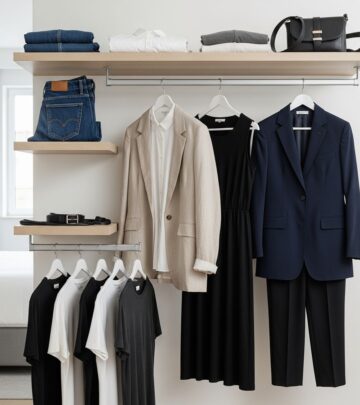
Seasonal smarts: snag summer clearances for winter, and vice versa. Build a capsule wardrobe: 10-15 pieces creating 30+ outfits via mixing.
Real-World Success Stories
Shoppers report half their wardrobe as designer thrift finds, never exceeding $8 per item. One scored $1 cashmere in summer heat. Another built months of outfits from closet playtime. Even critics agree: comments smarter than some articles, praising thrift chic over trendy basics.
Frequently Asked Questions (FAQs)
Q: Does layering really save money?
A: Yes, by expanding outfits from few pieces, though you need quality basics to rotate; thrift them affordably.
Q: Are thrift stores good for professional clothes?
A: Absolutely—designer suits and blazers abound from relocating professionals; inspect for fit and condition.
Q: How do I avoid buying trends?
A: Define your style, stick to classics, ignore runway hype and seasonal shifts.
Q: What’s the best discount store for suits?
A: Nordstrom Rack or Ann Taylor Loft sales with coupons for sharp, budget suits.
Q: Can accessories replace buying more clothes?
A: Largely yes—scarves and jewelry refresh basics endlessly.
Building Your Budget Wardrobe: Step-by-Step Plan
1. Inventory closet; donate unfit items.
2. List essentials: 2 pants/skirts, 3 tops, 1 blazer, shoes.
3. Shop thrift/discounts off-season.
4. Mix outfits for a month.
5. Accessorize sparingly.
This yields success-ready style under $200. Expand gradually.
References
- Consumer Expenditure Survey: Apparel and Services — U.S. Bureau of Labor Statistics. 2024-10-15. https://www.bls.gov/cex/tables/calendar-year/mean/cu-all-ages-2023.pdf
- Thrift Store Industry Report — National Association of Resale & Thrift Shops. 2025-03-20. https://www.narts.org/i4a/pages/index.cfm?pageid=3285
- Workplace Attire Guidelines — Society for Human Resource Management. 2024-07-12. https://www.shrm.org/topics-tools/tools/policies/workplace-attire-appearance-policies
- Discount Retail Market Analysis — U.S. Department of Commerce. 2025-01-08. https://www.census.gov/retail/index.html
- Financial Literacy and Consumer Spending — Federal Reserve Board. 2024-11-30. https://www.federalreserve.gov/publications/2024-economic-well-being-of-us-households-in-2023-executive-summary.htm
Similar Articles








Read full bio of medha deb