How To Do Laundry: 10 Smart Ways To Save Clothes And Cash
Master laundry basics to slash utility bills, extend clothing life, and cut costs without sacrificing clean clothes.
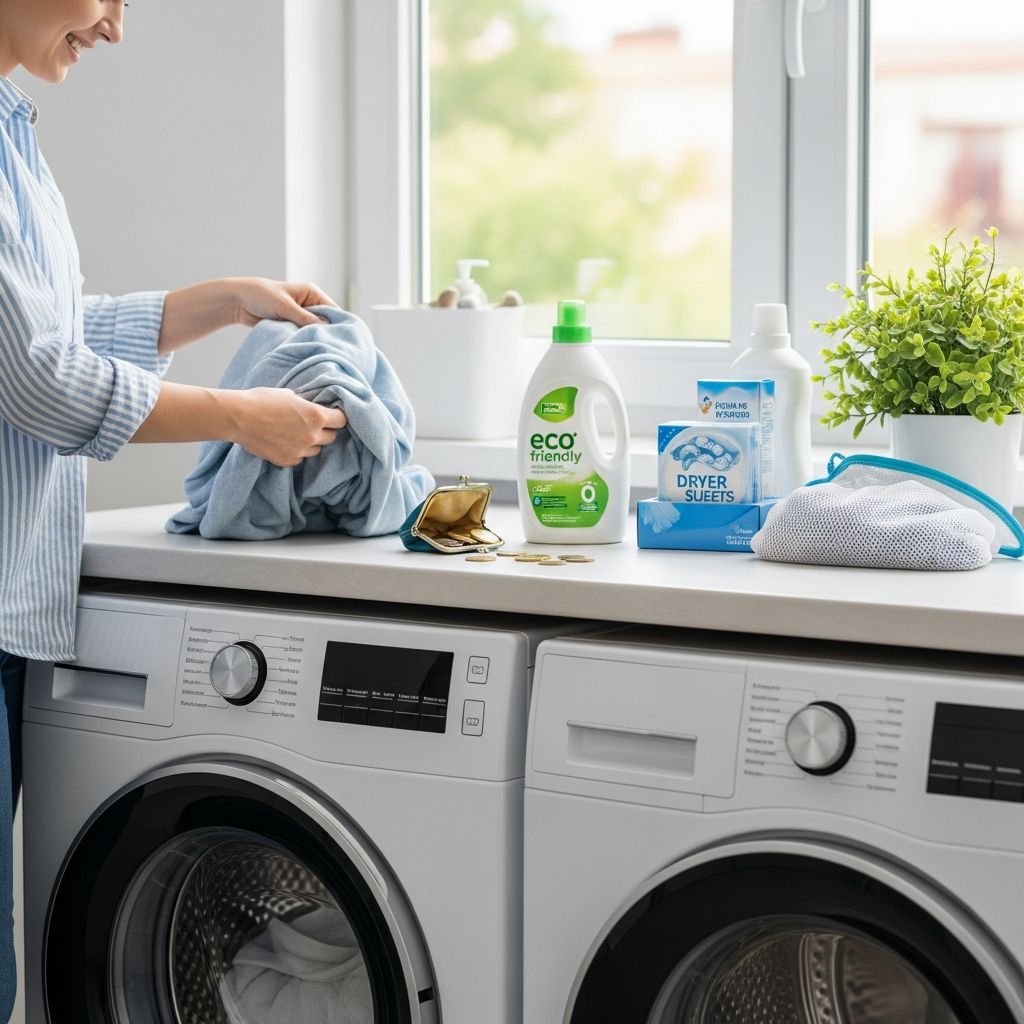
Laundry is a household chore that can quietly drain your wallet through high energy bills, excessive detergent use, and premature clothing wear. By adopting smart habits, you can cut costs significantly while keeping clothes fresh and long-lasting. This guide covers everything from sorting and washing to drying and maintenance, drawing on expert advice to help you save hundreds annually.
Why Laundry Costs Add Up — And How to Fix It
The average household spends $100-$200 yearly on laundry-related expenses, including water, electricity, gas, and detergent. Hot water alone accounts for 90% of a washing machine’s energy use, while over-drying clothes wastes heat. Poor sorting leads to fabric damage, forcing costly replacements. Implementing efficient practices can reduce these by 30-50%, per U.S. Department of Energy guidelines.
Start by tracking your usage: A family of four does 300 loads yearly, costing $150 in utilities. Small changes like cold washes and full loads yield big savings.
1. Sort Clothes Properly Before Washing
Sorting is the foundation of cost-effective laundry. Mixing loads causes color bleeding, fabric pilling, and uneven cleaning, shortening garment life.
- By color: Separate whites, lights, darks, and brights to prevent fading.
- By fabric type: Delicates (silk, lace) from heavy cottons; towels from synthetics.
- By soil level: Heavily soiled items like gym clothes in a separate hot-water load.
Pro tip: Use three hampers labeled for sorting to avoid last-minute rushes. This prevents $50-100 yearly in ruined clothes from dye transfer.
2. Choose the Right Water Temperature
Water temperature impacts cleaning power, energy use, and fabric longevity. Hot water (130°F+) kills bacteria but uses 3x more energy than cold.
- Cold water (80°F or below): Ideal for 90% of loads; saves $60/year per household. Effective with modern detergents.
- Warm water: For moderately soiled synthetics or permanent press.
- Hot water: Reserve for whites, diapers, or heavy stains; check labels to avoid shrinkage.
For bed sheets, use warm for cottons and cold for delicates like silk to balance sanitation and preservation. Never use cold alone for sheets, as it fails to remove dust mites.
3. Optimize Load Size and Machine Settings
Running partial loads wastes water and energy; full loads save 20-30% per cycle.
- Front-loaders: Fill drum 80% full, leaving space for tumbling.
- Top-loaders: Water should cover clothes by 1-2 inches.
- Avoid overloading: Crams clothes, reducing cleaning efficacy and causing wear.
Match settings to load: Delicates cycle for lingerie, heavy duty for jeans. For sheets, wash one set per load for even cleaning and zipper protection.
4. Select the Best Detergent and Dosage
Detergent choice affects cleaning and cost. High-efficiency (HE) formulas for modern machines use less per load.
- Mild options: Tide Free & Gentle, Arm & Hammer Clean & Simple — gentle on fabrics, reducing breakdown.
- Eco-friendly: Seventh Generation or Tide Purclean for chemical-free cleaning.
- Use 1/4 cup max per load to minimize residue and extend bottle life.
Dilute first: Add to dispenser or pre-dissolve in water to prevent spots. Harsh detergents erode fibers faster, costing more in replacements.
| Detergent Type | Best For | Cost Savings Tip |
|---|---|---|
| HE Liquid | Everyday loads | 2 tbsp/load = 100+ loads/bottle |
| Powder | Whites/heavies | Dissolves fully in warm water |
| Pods | Convenience | One pod = precise dose, no waste |
5. Pretreat Stains to Reduce Rewashes
Rewashing stained clothes doubles costs. Pretreat immediately:
- Mix liquid detergent with water for spot-cleaning.
- For dingy sheets: 1/2 cup white vinegar (no detergent) to strip buildup.
- Baking soda (1/2 cup/load): Brightens, deodorizes, softens water.
Vinegar (1/4 cup rinse cycle) dissolves residue, cuts static, and saves dryer sheets ($10/year).
6. Master the Dryer: Less Heat, More Savings
Dryers consume 6% of home energy; air-drying saves $35/year.
- Air dry when possible: Line-dry sheets in sun for natural whitening and bacteria kill.
- Low heat: Delicate/permanent press; remove damp to air-fluff.
- Clean lint filter every load: Boosts efficiency 30%.
Group similar fabrics; avoid zippers snagging delicates.
7. Laundry Hacks Using Household Items
DIY boosters cut detergent needs:
- White vinegar: 1/4 cup in rinse — fabric softener, static fighter, odor remover.
- Baking soda: 1/2 cup with detergent — stain lifter, brightener.
- Borax: Boosts cleaning in hard water areas.
These save $20-50/year vs. commercial additives.
8. Wash Less Frequently Strategically
Not everything needs weekly washing. Jeans: 4-6 wears. PJs: 3-4 nights. Sheets: Every 1-2 weeks if not sweaty. This halves loads, saving $75/year.
9. Maintain Your Washer and Dryer
Clean machines monthly: Vinegar cycle for washer, vent brush for dryer. Prevents breakdowns ($200+ repairs).
10. Energy-Efficient Upgrades
Energy Star washers use 25% less energy, $115 lifetime savings (DOE). Cold-water washing: Nationwide, saves 24 billion kWh/year.
Frequently Asked Questions (FAQs)
What’s the cheapest way to do laundry?
Use cold water, full loads, minimal detergent, and air-dry. Add vinegar for softening — saves $100+/year.
How often should I wash sheets?
Weekly for hygiene, but every 2 weeks if low sweat. Use warm for cottons, one set per load.
Does washing in cold water clean clothes?
Yes, modern HE detergents activate in cold; 75% of households can switch without issues.
Can vinegar damage clothes?
No, in rinse cycle (1/4 cup); it’s pH-neutral and fabric-safe.
How to make towels soft without dryer sheets?
Wash with vinegar + baking soda; shake before air-drying.
Track Your Savings
Calculate: Loads/month x savings/load ($0.25). Aim for $10/month. Combine with utility tips like LED lights for compounded gains.
References
- Make Your Bed Linens Last Even Longer With These Simple Tips — The Penny Hoarder. 2023. https://www.thepennyhoarder.com/save-money/how-to-wash-sheets/
- How to Do Laundry: Save Loads of Clothes and Cash With Our Guide — The Penny Hoarder. 2023. https://www.thepennyhoarder.com/save-money/how-to-do-laundry-and-save-money/
- Clothes Washers Key Product Criteria — U.S. Department of Energy. 2025-10-01. https://www.energy.gov/energysaver/clothes-washers
- Laundry Product Safety — Consumer Product Safety Commission. 2024-05-15. https://www.cpsc.gov/s3fs-public/LaundryTips.pdf
- Residential Energy Consumption Survey — U.S. Energy Information Administration. 2024-09-01. https://www.eia.gov/consumption/residential/data/2020/
Similar Articles








Read full bio of Sneha Tete