How to Do an International Wire Transfer
Master international wire transfers: Step-by-step guide to sending money abroad securely.

How to Do an International Wire Transfer: A Comprehensive Guide
International wire transfers are a fundamental way to move money across borders quickly and securely. Whether you’re sending funds to family members, paying vendors abroad, or managing international business transactions, understanding the wire transfer process is essential. This guide walks you through everything you need to know about conducting an international wire transfer, from gathering necessary information to authorizing the payment.
What Is an International Wire Transfer?
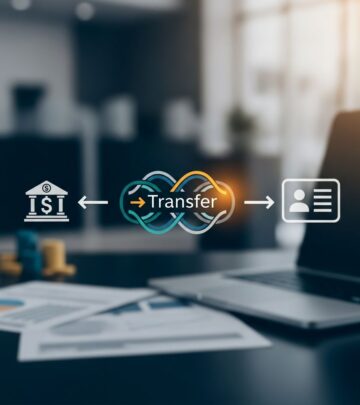
An international wire transfer is an electronic method of sending money from one bank account to another across country borders. Unlike domestic transfers, international wire transfers involve currency conversion and communication between banking networks in different countries. The process relies on the Society for Worldwide Interbank Financial Telecommunications (SWIFT) network, a secure messaging system that facilitates communication between financial institutions worldwide. When you initiate an international wire transfer, your bank communicates with the recipient’s bank using unique SWIFT codes assigned to each participating financial institution.
How International Wire Transfers Work
Understanding the mechanics of international wire transfers helps you make informed decisions about timing, costs, and recipient information. The process involves several key steps and intermediaries.
The Step-by-Step Process
Initiation: You begin the process by initiating a wire transfer through your bank. Most banks offer multiple channels for this, including online banking platforms, mobile applications, and in-person visits to branch locations. During initiation, you provide essential details about the transfer, including recipient information, the transfer amount, and the destination currency.
Interbank Communication: Your bank then communicates with the recipient’s bank using the SWIFT network. Each participating bank receives a unique SWIFT code that identifies it within the international banking system. This secure messaging system ensures that your transfer instructions reach the correct financial institution with all necessary details.
Intermediary Banks: Depending on the route your funds take, your bank might use intermediary banks to move the money closer to the recipient’s bank. These intermediary banks help facilitate the transfer when direct banking relationships don’t exist between your bank and the recipient’s bank.
Processing Time: International wire transfers typically take one to five business days to complete, though most commonly arrive within two to four business days. The exact timeline depends on factors including the specific banks involved, the destination country, the currencies being exchanged, and local banking regulations.
Information Required for International Wire Transfers
Accuracy is critical when sending international wire transfers. Incorrect or missing information can delay your transfer or cause it to fail entirely. Before initiating a transfer, gather all required documentation to ensure smooth processing.
Essential Details to Collect
Recipient Information: You’ll need the recipient’s full name exactly as it appears on their bank account. The name must match perfectly to avoid delays or rejection. Additionally, collect the recipient’s complete mailing address, as many banks require this information for verification purposes.
Bank Details: Obtain the name and full address of the recipient’s bank. This information ensures your transfer reaches the correct financial institution. You’ll also need the bank’s SWIFT code (also called BIC code) or IBAN (International Bank Account Number), depending on the destination country.
Account Information: Get the recipient’s bank account number or IBAN. The IBAN is particularly important for European transfers and other international transactions. This information identifies the specific account where your funds will be deposited.
Transfer Specifications: Note the exact amount you’re sending and specify the currency. Verify the current exchange rate if you’re converting currencies, and understand any conversion fees that will apply. Document the reason for the transfer, as many banks require this information.
Additional Requirements: Some banks may require additional information depending on your location, the destination country, or the transfer amount. Contact your bank to confirm all requirements before initiating the transfer.
How to Send an International Wire Transfer
You have several options for sending an international wire transfer, each with distinct advantages and considerations.
Method 1: Online Banking
Many modern banks offer convenient online wire transfer services, allowing you to complete transactions from your computer or mobile device.
Step 1 – Access Your Bank’s Platform: Log into your online banking account and locate the wire transfer section. This is typically found in the top toolbar of your bank’s website. If you can’t find it, call your bank’s customer service for directions.
Step 2 – Enter Recipient Information: Provide the recipient’s full name, address, and bank details. Double-check all information for accuracy before proceeding. Include the recipient’s account type (checking, savings, etc.) and either the account number or IBAN.
Step 3 – Specify Transfer Amount and Currency: Enter the amount you wish to send and confirm the destination currency. Your bank will display the exchange rate and inform you of any conversion fees.
Step 4 – Review and Authorize: Carefully review all transfer details before authorizing the transaction. Some banks require additional security verification through a code sent to your phone or generated by a security device.
Step 5 – Confirm Fees: Acknowledge the processing fees, which typically range from $40 to $50 for U.S. banks, though they can be higher in some cases. The fee will usually be deducted directly from your bank account.
Method 2: Mobile App
Bank mobile apps often include wire transfer functionality, offering the same convenience as online banking from your smartphone or tablet. The process mirrors online banking but may feature a streamlined interface optimized for mobile devices.
Method 3: In-Person at Your Bank Branch
For transfers requiring additional verification or if you prefer face-to-face assistance, visiting your bank branch is an option. Bring all necessary banking information, including your account details, the recipient’s information, and identification documents.
Note: In-branch transfers often incur higher fees than online transfers, typically ranging from $40 to $80. Processing times are similar to online transfers, usually two to four business days.
Method 4: Phone Transfer
Some banks allow you to authorize wire transfers over the phone by speaking with a representative. This method requires verification of your identity and personal information.
Method 5: Money Transfer Services
Specialist money transfer providers offer alternatives to traditional bank wire transfers. These services often charge lower fees than banks (typically 5-7% less) and may provide faster processing for certain routes. To use a specialist provider, create an account, provide recipient information, and authorize payment using your bank account or debit or credit card. Most recipients receive funds directly into their bank accounts.
International Wire Transfer Fees and Costs
Understanding the complete cost structure of international wire transfers helps you budget accurately and compare options.
Typical Fee Breakdown
Originating Bank Fee: U.S. banks typically charge processing fees between $40 and $50 for international wire transfers, though fees can occasionally reach $80. These fees are typically deducted directly from your account.
Receiving Bank Fee: The recipient’s bank may also charge a fee ranging from $10 to $20 (or €9 to €18 in the Eurozone) for receiving and processing the incoming transfer.
Intermediary Bank Fees: Up to three intermediary banks involved in routing your transfer may each charge their own fees, further reducing the amount that reaches your recipient.
Currency Conversion Fees: If converting between currencies, expect to pay an exchange rate markup of 5-7% above the mid-market rate when using traditional banks. Specialist money transfer services often offer more competitive exchange rates.
Eurozone Transfers: Within the Eurozone, international transfers typically cost between €5 and €7, plus a percentage of the transfer amount ranging from 0.1% to 1%.
Fee Comparison Table
| Fee Type | Typical Cost Range | Notes |
|---|---|---|
| Originating Bank (U.S.) | $40-$80 | Varies by bank; online transfers often cheaper than in-branch |
| Receiving Bank | $10-$20 | Charged by recipient’s bank in destination country |
| Intermediary Banks | Variable | Each intermediary bank may charge separate fees |
| Currency Conversion | 5-7% markup | Bank markup above mid-market rate |
| Money Transfer Services | 2-3% markup | Generally cheaper than banks for currency conversion |
Processing Times and Timeline Expectations
International wire transfer speed depends on several factors, including the specific banks, destination country, and involvement of intermediary institutions.
Typical Processing Timelines
Standard Timeframe: Most international wire transfers arrive at the destination bank within two to four business days. However, some transfers may take up to five business days depending on circumstances.
Bank Hours and Cutoffs: Banks have specific cutoff times for accepting wire transfer requests. If you submit your request after the cutoff, your transfer may not process until the next business day. Ask your bank about their specific cutoff times when initiating a transfer.
Holidays and Weekends: Bank holidays and weekends extend processing times. A transfer submitted on Friday may not begin processing until Monday, effectively delaying arrival by several days.
Currency and Route Factors: Some currency pairs and banking routes process faster than others. Transfers to major financial centers typically move more quickly than transfers to remote locations.
Security Considerations for Wire Transfers
International wire transfers involve security measures to protect your funds and personal information. Understand these protections and best practices.
SWIFT Network Security: The SWIFT network uses advanced encryption and security protocols to protect financial data during transmission.
Verification Procedures: Banks verify recipient information to prevent fraud and ensure funds reach the intended recipient. Incorrect or mismatched information triggers additional verification steps.
Best Practices: Double-check all recipient information before authorizing a transfer. Verify recipient account numbers independently to prevent fraud. Never share your banking credentials or authorization codes with third parties.
Common Mistakes to Avoid
Incorrect Recipient Name: Ensure the recipient’s name matches exactly what appears on their bank account. Discrepancies can cause delays or transfer rejection.
Wrong Account Number or IBAN: Verify the account number or IBAN independently. Errors can result in funds being transferred to the wrong account, and recovery may be difficult.
Missing SWIFT Code: For international transfers, always include the recipient bank’s SWIFT/BIC code. Without it, your bank may not be able to route the transfer correctly.
Incomplete Address Information: Providing incomplete or incorrect address information can cause delays or failed transfers.
Ignoring Exchange Rates: Before transferring, understand the current exchange rate and confirm the rate your bank is offering. Exchange rates fluctuate constantly, affecting the amount your recipient receives.
Alternatives to Traditional Bank Wire Transfers
Depending on your circumstances, alternatives to bank wire transfers may offer advantages in terms of speed, cost, or convenience.
Specialized Money Transfer Services: Companies offering international money transfer services often charge lower fees and provide competitive exchange rates compared to traditional banks.
International Payment Platforms: Online platforms designed for international payments may offer faster processing and reduced fees for frequent or smaller transfers.
Correspondent Banking: Direct relationships between banks can result in faster transfers when available.
Frequently Asked Questions
Q: How long do international wire transfers typically take?
A: Most international wire transfers arrive within two to four business days. However, some transfers may take up to five business days depending on the banks involved and destination country. Processing times are affected by bank cutoff times, holidays, and local banking regulations.
Q: What’s the difference between SWIFT code and IBAN?
A: A SWIFT code (also called BIC code) identifies the specific bank and branch receiving the transfer. An IBAN (International Bank Account Number) is an account-level identifier that includes the country code and individual account number. Both are typically required for international transfers.
Q: Can I cancel an international wire transfer once it’s been sent?
A: Cancellation depends on the transfer’s status. If the transfer hasn’t left your bank, cancellation may be possible. However, once the transfer has entered the international banking system, cancellation becomes difficult or impossible. Contact your bank immediately if you need to cancel.
Q: What should I do if my wire transfer hasn’t arrived after the expected timeframe?
A: Contact your bank’s customer service immediately. Provide the transfer confirmation number and recipient details. Your bank can trace the transfer and determine where it might be delayed. Be prepared for a 1-3 business day investigation period.
Q: Are there daily limits on international wire transfers?
A: Most banks impose daily wire transfer limits, though they vary by institution and account type. These limits exist as a security measure. Contact your bank to learn your specific limits and request increases if necessary.
Q: Why are international wire transfers more expensive than domestic transfers?
A: International transfers involve currency conversion, multiple intermediary banks, regulatory compliance, and complex international banking networks. Each intermediary in the payment chain may charge fees, resulting in higher overall costs.
Q: Can I send an international wire transfer to a business account?
A: Yes, you can send wire transfers to business accounts. Ensure you have the correct business account number and that the recipient’s bank account name matches the business name exactly to avoid delays.
Q: What happens if I provide incorrect information in my wire transfer?
A: Incorrect information can cause delays, rejection, or the transfer going to the wrong account. If you notice an error before the transfer is processed, contact your bank immediately to stop or correct it. Recovery after an incorrect transfer is sent can be extremely difficult.
References
- How Long Do International Payments Take? — Stripe. 2024. https://stripe.com/resources/more/how-long-do-international-payments-take-what-to-know-about-international-wire-transfers
- The 5 Best Ways to Make International Wire Transfers — Tipalti. 2024. https://tipalti.com/resources/learn/international-wire-transfer/
- How to Make a Wire Transfer — HSBC Bank USA. 2024. https://www.us.hsbc.com/help/payments-transfers-wires/international-payment-wires/
- International Wire Transfers: How to Make a Wire Transfer — Wise. 2024. https://wise.com/us/blog/making-an-international-wire-transfer
- Understanding How An International Wire Transfer Works — Brex. 2024. https://www.brex.com/resources/international-wire-transfers-guide
- What Is a Wire Transfer and How Does It Work? — Citizens Bank. 2024. https://www.citizensbank.com/learning/what-is-a-wire-transfer.aspx
- What Information Do I Need to Send an International Wire Transfer? — U.S. Bank. 2024. https://www.usbank.com/customer-service/knowledge-base/KB0205915.html
Similar Articles








Read full bio of medha deb