One-Month Spending Freeze: 30-Day Step-By-Step Plan
Jump-start your financial goals with a one-month spending freeze: reset habits, save money, and gain control over your finances.
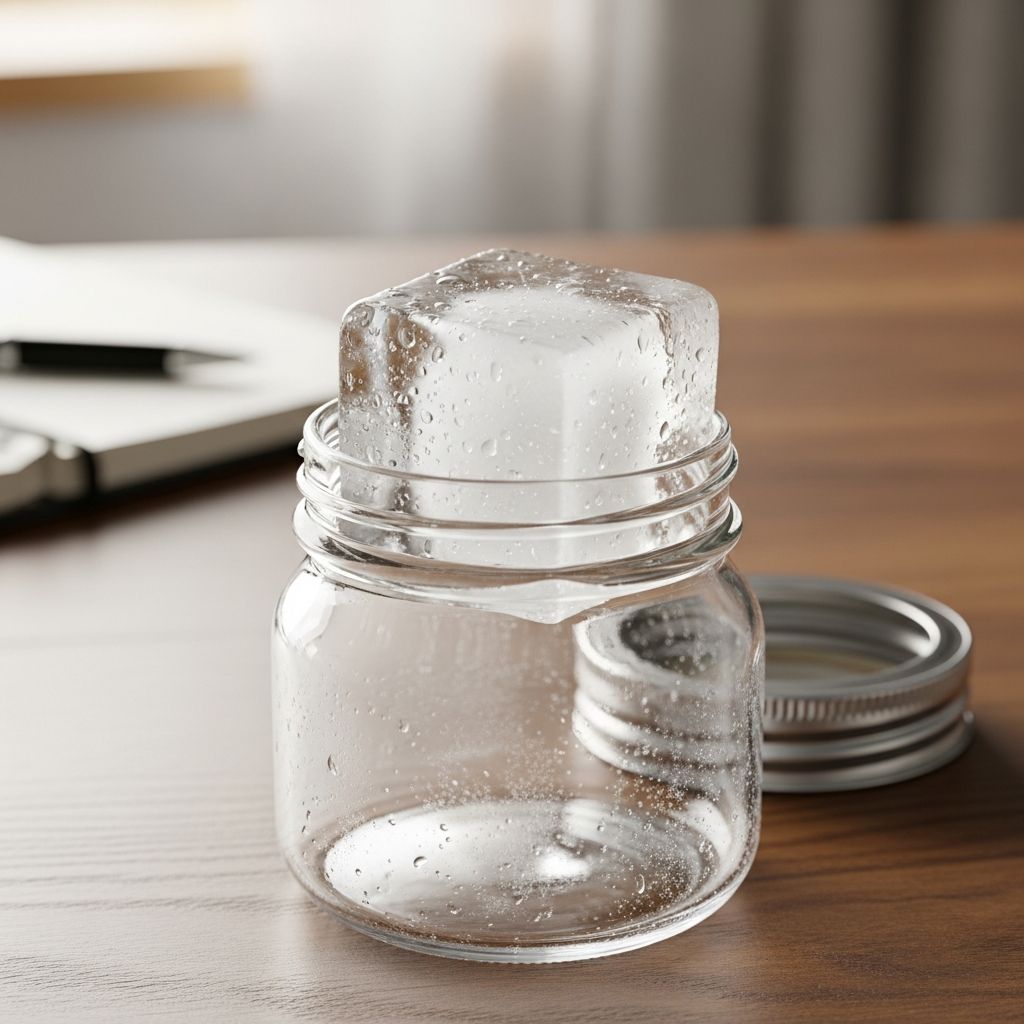
A one-month spending freeze is a powerful strategy to reset your finances, eliminate impulse buys, and accelerate progress toward your financial goals. By committing to no non-essential spending for 30 days, you can save hundreds or even thousands of dollars while gaining clarity on your habits and needs.
Look at Your Budget
Before starting your spending freeze, conduct a thorough review of your current budget to identify areas of waste and set realistic boundaries. Examine the past three months of bank and credit card statements to categorize every expense into essentials like rent, utilities, groceries, and debt payments versus discretionary spending such as dining out, entertainment, and shopping.
This analysis often reveals surprising leaks, such as daily coffee runs adding up to $100 monthly or unused subscriptions draining $50. Use a spreadsheet or budgeting app to track these patterns. Decide which categories to freeze entirely—typically everything beyond true necessities—and allow minimal flexibility for true emergencies only.
- Track income vs. outflows: Ensure essentials fit comfortably within your income.
- Identify ‘leaks’: Common culprits include subscriptions, impulse snacks, and convenience fees.
- Set freeze rules early: Exclude bills but scrutinize groceries and gas.
According to personal finance experts, this initial audit can uncover 20-30% unnecessary spending, providing an immediate savings target for your freeze.
Figure Out What You’re Doing With Your Savings
Success in a spending freeze hinges on having a clear purpose for the money you save. Without a destination, saved funds can quickly evaporate on post-freeze splurges. Prioritize high-impact uses like high-interest debt payoff, emergency fund building, or targeted savings goals such as a vacation or home down payment.
Create a ‘savings plan’ document outlining allocations. For example, direct 50% to debt, 30% to savings, and 20% to a fun reward fund accessible only after the freeze. Visualize goals with a progress chart to stay motivated—watching your debt balance drop or savings account grow reinforces discipline.
| Goal Category | Priority | Example Allocation |
|---|---|---|
| Debt Repayment | High | 50% of savings |
| Emergency Fund | High | 30% of savings |
| Retirement/Investments | Medium | 10% of savings |
| Rewards/Fun | Low | 10% of savings |
This structured approach prevents rebound spending and turns your freeze into lasting financial momentum.
Enlist Others
A spending freeze is more sustainable with accountability and support from your household or social circle. Share your commitment with family, roommates, or friends to align expectations and reduce temptations like group dinners or gift-giving pressures.
Hold a family meeting to explain the ‘why’—perhaps debt freedom or a family vacation fund—and involve everyone in brainstorming free alternatives. For partners, agree on joint rules; for kids, frame it as an adventure with home-cooked meals and backyard fun. Apps like shared budgeting tools or group challenges on social media can provide external motivation.
- Communicate benefits: More family time, creativity, and financial security.
- Plan joint activities: Game nights, hikes, or library visits.
- Buddy up: Partner with a friend for mutual check-ins.
Involving others not only boosts success rates but also models healthy habits.
Clean Out Your Pantry, and Plan Your Meals
Groceries often represent the largest variable expense, so a well-stocked pantry is your first line of defense. Spend Day 1 inventorying shelves, fridge, and freezer—tossing expired items and cataloging staples like rice, beans, pasta, canned goods, and frozen proteins.
From this, craft a 30-day meal plan emphasizing simple, stretchable recipes. Aim for breakfasts like oatmeal or eggs, lunches from leftovers, and dinners such as stir-fries, soups, or casseroles. Batch-cook on weekends to minimize daily effort. Use free resources like library cookbooks or online recipe aggregators for inspiration without purchasing new ingredients.
Sample Weekly Meal Plan:
- Monday: Oatmeal breakfast, bean soup lunch, veggie stir-fry dinner.
- Tuesday: Smoothie breakfast, pasta salad lunch, lentil curry dinner.
- Wednesday: Eggs & toast breakfast, leftovers lunch, rice & beans dinner.
- And so on, rotating staples.
This strategy can eliminate grocery spending entirely for the month, saving $200-400 on average.
Plan Entertainment and Social Activities
Avoid boredom-induced slip-ups by scheduling free or low-cost fun in advance. Leverage community resources: parks, free museum days, hiking trails, library events, or streaming services you already pay for. Host potlucks where guests bring dishes from their pantries—no new purchases.
Decline paid invitations gracefully: ‘I’m in a spending freeze this month—want to do a picnic instead?’ Exercise at home via free YouTube videos, read library books, or pursue hobbies like gardening with seeds you have. Track these activities in a ‘fun journal’ to highlight abundance over deprivation.
Benefits include stronger relationships and rediscovered joys in simple pleasures.
Anticipate Temptations and Have a Plan
Temptations peak mid-freeze, so preempt them. Common triggers include sales emails, social media ads, or stress. Unsubscribe from retail lists, delete shopping apps, and use website blockers. For urges, employ the 30-day rule: Note the item and revisit post-freeze—most desires fade.
Prepare ’emergency distractions’: A walk, call to a friend, or quick workout. If cravings hit for coffee or treats, brew at home or savor existing supplies. Reframe spending as ‘boring’ versus the excitement of savings growth.
- Sales: Remember, discounts on wants are still wants.
- Social pressure: Lead by example.
- Stress: Use free coping like meditation apps.
Keep a Journal
Maintain a daily spending journal to build awareness and mindfulness. Log temptations, emotions, creative wins (e.g., ‘Made latte art at home!’), and savings tallies. Note items eyed for purchase on a ‘want list’ to review later—often, items lose appeal.
This practice fosters gratitude, revealing how much you already own. Weekly reflections reinforce progress, like ‘Saved $150 this week—enough for an extra debt payment!’ Journaling sustains motivation through the full month.
After the Freeze: Don’t Blow It All
The real test comes post-freeze. Resume spending gradually, sticking to your pre-freeze budget—no revenge shopping. Transfer savings immediately to designated accounts. Assess lessons: Which habits to keep? Adjust your ongoing budget accordingly.
Consider extending to bi-monthly freezes or permanent cuts to non-essentials. Celebrate modestly within limits, like a home-cooked feast. Long-term, this builds discipline for sustained wealth-building.
Frequently Asked Questions (FAQs)
Q: What counts as an essential expense during a spending freeze?
A: Essentials include housing, utilities, minimum debt payments, basic groceries from existing plans, medications, and commuting gas. Everything else freezes.
Q: How much can I realistically save in one month?
A: Most save $200-1,000+, depending on lifestyle. Track diligently for accurate figures.
Q: What if an unexpected expense arises?
A: True emergencies only—use savings or credit as last resort, then adjust post-freeze.
Q: Can I include gift cards or rewards points?
A: Yes, if no out-of-pocket costs like tax or tips.
Q: Is a one-month freeze suitable for everyone?
A: Ideal for most, but consult if you have irregular income; start shorter if needed.
References
- A One-Month Spending Freeze Challenge — Shira Gill. 2016. https://shiragill.com/one-month-spending-freeze-challenge/
- How to Do a Spending Freeze (to Save Money FAST) — Fun Cheap or Free. 2023. https://funcheaporfree.com/how-to-do-a-spending-freeze/
- How to Do a One-Month Spending Freeze — Wise Bread. 2009-10-15. https://www.wisebread.com/how-to-do-a-one-month-spending-freeze
- Consumer Expenditure Survey — U.S. Bureau of Labor Statistics (.gov). 2024-09-10. https://www.bls.gov/cex/
- Personal Financial Wellness — Federal Reserve (.gov). 2025-05-15. https://www.federalreserve.gov/publications.htm
Similar Articles








Read full bio of medha deb