How to Dispute Your Credit Report in 2025
Learn effective strategies to challenge credit report errors and protect your financial future.
Over a third of Americans have inaccuracies in their credit information, according to a 2024 investigation by Consumer Reports. However, thanks to the Fair Credit Reporting Act and other laws designed to protect consumers, you have the right to dispute these errors and take control of your financial reputation. Understanding the dispute process and knowing your consumer rights is essential for maintaining accurate credit information and protecting your credit score.
Whether you’ve discovered unauthorized accounts, incorrect balances, or outdated negative information on your credit report, you have multiple pathways to address these issues. This comprehensive guide will walk you through the most effective strategies for disputing credit report errors and getting your financial record corrected.
How to Dispute Your Credit Report the Right Way
There are many ways to fight errors on your credit report. You can file a dispute with the credit bureau, contact the company reporting the debt directly, or use a credit repair company to handle the process on your behalf. No matter which approach you choose, it’s important to know your rights and understand the most effective strategies for resolving inaccuracies.
Understand How the Credit Report Dispute Process Works
Once you’ve identified errors on your credit report, the first step is to contact the credit bureau that provided the report where the inaccuracies appear. In some cases, only one bureau may have inaccurate information, while in others, all three major credit bureaus may be reporting the same incorrect details.
You can send a dispute letter or fill out an online dispute form to contact the bureau. It’s essential to include all relevant documents supporting your claim and explain clearly why you believe the information is inaccurate. When submitting physical documents, use certified mail to ensure the protection of your personal information and sensitive data. You also have the option to request a return receipt through the U.S. Postal Service, which provides documentation proving that your dispute was received by the bureau.
The credit bureau should investigate your claim and notify you of the results. If they find that the information is incorrect, they will remove or update it on your report. You should also receive a free copy of an updated credit report reflecting any changes made. It’s important to note that some disputes may take longer than others to resolve, and credit bureaus are not required to remove or update anything determined to be correct information.
Consider the Potential Impact on Your Credit Score
Disputing information on your credit report can temporarily affect your credit score. Frivolous disputes can backfire, potentially causing more damage than benefit. For example, if you try to remove a collection account, your report may update to show recent collection activity, which could lower your score even further. Before submitting any dispute, carefully weigh the pros and cons to ensure you’re making a strategic decision that will ultimately improve your credit profile.
Write a Letter to the Credit Reporting Agencies
When disputing incorrect information on your credit report, providing thorough documentation is critical. According to the Federal Trade Commission (FTC), your dispute letter should be professional, clear, and comprehensive. Your dispute letter to the credit bureau should contain the following essential information:
- Each item in your report that you dispute
- Detailed facts regarding those disputed items
- A clear explanation of why you’re disputing the information
- A request that the item be removed or updated
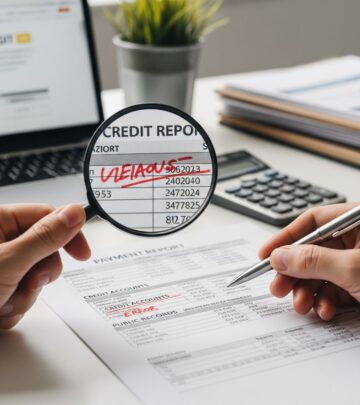
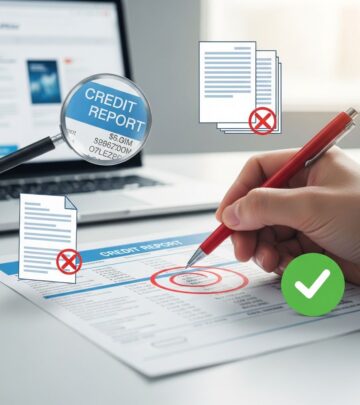
- An optional enclosed copy of your credit report with the disputed items circled or highlighted
You should also consider including a copy of your identification, proof of address such as a utility bill, and copies of any relevant documents like bills or receipts to support your claim about the information being inaccurate. The more documentation you provide, the stronger your dispute will be, and the easier it will be for the credit bureau to investigate and validate your claims.
File a Dispute Letter With the Furnisher
If the credit bureau doesn’t remove or update the information you’re disputing, you have the option to file a dispute letter with the furnisher—the company that reported the information, such as a lender or credit card company. This letter should clearly outline why you believe the information is inaccurate and request corrections to your report.
When contacting the data furnisher, explain why you are filing the dispute and include any supporting documents that back up your claim. According to federal law, once you’ve sent this letter, the company or creditor has 30 days to investigate your dispute. If they find that the information is inaccurate, they must inform all three credit bureaus so they can update your report accordingly. This two-step approach—disputing with both the credit bureau and the furnisher—can significantly increase your chances of successfully removing or correcting erroneous information.
Review the Results of the Investigation
Once the credit bureau has been informed of your dispute, it will investigate your claim and notify you of the results within a specified timeframe. If the bureau finds that the information is incorrect, it will remove or update the information on your report. You should receive an updated free copy of your credit report reflecting the changes made.
If a credit reporting bureau doesn’t respond within the 30 days allotted by law, you may be able to get the item removed from your credit report. Additionally, getting wrong or negative items removed from your credit report—such as credit card debt you don’t actually owe—will likely lead to an improved credit score and better financial opportunities.
Understanding Your Rights Under the Fair Credit Reporting Act
The Fair Credit Reporting Act (FCRA) provides consumers with essential protections when dealing with credit reporting agencies. Under this law, you have the right to obtain a free copy of your credit report from each of the three major bureaus once per year, dispute inaccurate information, and receive a corrected report if errors are found. The FCRA also requires credit bureaus to investigate disputes promptly and notify you of the results.
Beyond the FCRA, the Fair Debt Collection Practices Act (FDCPA) protects consumers from harassment by debt collectors. If you’re dealing with collection agencies reporting inaccurate information, you have the right to request debt validation and dispute claims within specific timeframes. Understanding these legal protections empowers you to take effective action against inaccuracies on your credit report.
Common Credit Report Errors to Look For
When reviewing your credit report, be aware of common errors that frequently appear. These include:
- Someone else’s information appearing on your credit report by mistake
- Debt that is over seven years old and should have been removed
- Incorrect data on amounts, dates opened, balances, and delinquency information
- Negative items that should have been removed by law, such as paid-off medical bills
- Accounts you don’t recognize or never opened
- Duplicate entries of the same debt
- Incorrect payment statuses or account histories
Identifying these errors is the critical first step in the dispute process. Many consumers discover inaccuracies that have been negatively impacting their credit scores for years without their knowledge.
Alternative Methods for Addressing Credit Report Issues
Disputing Directly With the Creditor
In some cases, you may have better luck submitting a dispute directly to the creditor or debt collector reporting the inaccurate information. For example, if a lender reported an incorrect balance, you may be able to contact them directly and get it corrected faster than going through the credit bureaus. This direct approach can sometimes be more effective, especially when dealing with current creditors rather than collection agencies.
Using Credit Repair Companies
If you prefer professional assistance, credit repair companies can help identify and dispute mistakes on your credit report. These companies handle communications with credit bureaus and furnishers on your behalf, manage the dispute process, and keep track of deadlines. However, it’s important to choose a reputable company and understand that legitimate credit repair cannot remove accurate negative information from your credit report.
Should You Dispute Accurate Information on Your Credit Report?
Contesting accurate information on your credit report—like large balances you owe or late payments—is risky and generally not recommended. Your dispute is unlikely to succeed, and the act of submitting the dispute can actually cause negative items like collection accounts to be updated to show recent collection activity, potentially worsening your credit issues. Credit bureaus may also start to assume all your disputes are frivolous, which could make it harder to correct legitimate problems down the road.
Focus your dispute efforts on genuinely inaccurate information rather than attempting to remove legitimate negative marks. This strategic approach will preserve your credibility with credit bureaus and protect your long-term credit profile.
Timeline and Expectations for Credit Dispute Resolution
Understanding the timeline for credit dispute resolution helps set realistic expectations. Credit bureaus generally have 30 days to investigate your dispute and inform you of the results, though this timeline can vary. Some disputes may be resolved quickly, while others take longer depending on the complexity of the case and the responsiveness of the furnisher. Debt validation letters sent to collection agencies also typically require a 30-day response window.
Keep records of all correspondence, including dates sent, receipt confirmations, and responses received. This documentation is valuable if you need to escalate your complaint to the Consumer Financial Protection Bureau or pursue legal action against non-compliant credit bureaus or collection agencies.
Frequently Asked Questions
Q: How often can I dispute information on my credit report?
A: You can dispute information on your credit report as often as needed, but credit bureaus may flag repetitive disputes of the same information as frivolous. Focus on legitimate errors rather than disputing the same item multiple times.
Q: Will disputing items on my credit report lower my credit score?
A: Disputing inaccurate items should ultimately improve your credit score once errors are removed. However, the dispute process itself may temporarily impact your score, and disputing accurate negative information can backfire.
Q: What should I do if the credit bureau doesn’t respond within 30 days?
A: If a credit bureau doesn’t respond within the 30-day timeframe required by law, you may have grounds to file a complaint with the Consumer Financial Protection Bureau or pursue legal action. Document all attempts to contact the bureau.
Q: Can I dispute information that a collection agency is reporting?
A: Yes, you can dispute information reported by collection agencies. You can file a dispute with the credit bureau, request debt validation from the collection agency, or file a complaint if they violate your rights under the Fair Debt Collection Practices Act.
Q: How long does negative information stay on my credit report?
A: Most negative information remains on your credit report for seven years. Bankruptcies may stay for up to 10 years. Information older than seven years should be removed and can be disputed if it still appears.
Q: Is it better to dispute with the credit bureau or the creditor?
A: Both approaches are valid, but disputing with the credit bureau is often more effective. However, for certain situations—like incorrect balances with current lenders—contacting the creditor directly may be faster.
References
- Fair Credit Reporting Act (FCRA) — Federal Trade Commission. https://www.ftc.gov/business-guidance/privacy-security/gramm-leach-bliley-act
- Fair Debt Collection Practices Act (FDCPA) — U.S. Department of Justice. https://www.justice.gov/civil/fair-debt-collection-practices-act-11
- How to Dispute Your Credit Report — Consumer Reports. 2024. https://www.consumerreports.org/
- Disputing Credit Report Errors — Consumer Financial Protection Bureau. https://www.consumerfinance.gov/about-us/newsroom/
- Credit Repair: How to Help Yourself — Federal Trade Commission. https://www.ftc.gov/news-events/news/news-releases
Similar Articles








Read full bio of medha deb