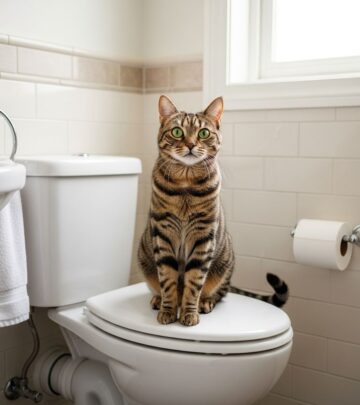
How to Discipline a Cat: Proven Methods Beyond Punishment
Master effective cat discipline techniques that build trust and eliminate negative behaviors.

Cat owners often face frustrating situations when their feline companions display unwanted behaviors. From counter-surfing to destructive scratching, these issues can test even the most patient pet parent. However, traditional punishment-based approaches have been scientifically discredited as ineffective and potentially harmful. Understanding how to properly address misbehavior is essential for maintaining a healthy relationship with your cat while successfully correcting negative habits.
The key to effective cat discipline lies in recognizing that cats perceive the world differently from humans and that punishment rarely achieves the desired results. Instead, successful behavior modification requires understanding the root causes of misbehavior and implementing strategies that work with your cat’s natural instincts rather than against them.
Why Traditional Punishment Fails
Fear-based and punishment-based training methods have been almost universally discredited by animal behaviorists and veterinary professionals. When cat owners resort to yelling, spray bottles, clapping, or physical punishment, they often inadvertently create more problems than they solve.
The most significant issue with punishment is timing. Cats have difficulty associating consequences with their actions, especially when discipline is administered after the behavior has occurred. Your cat may connect the punishment with something else in the environment entirely rather than understanding it relates to their specific action. This confusion can lead to anxiety, fear, and potentially aggressive behavior toward you and others.
Physical punishment and harsh corrections can cause lasting damage to your relationship with your cat. Cats may become fearful of their owners, develop anxiety-related behaviors, or display aggression. Rather than correcting the original misbehavior, punishment often exacerbates existing issues and creates new behavioral problems.
Understanding the Root Causes of Cat Misbehavior
Before addressing any unwanted behavior, it’s crucial to understand why your cat is acting out. Misbehavior rarely occurs without reason. Common causes include:
- Unmet environmental or physical needs
- Medical issues or pain
- Inadequate mental or physical stimulation
- Stress or anxiety
- Natural instincts not being channeled appropriately
- Learned behaviors from kittenhood
- Changes in the home environment
A cat that scratches furniture may simply need appropriate scratching surfaces. A cat that knocks items off counters might be seeking attention or exploring their environment naturally. By identifying the underlying need, you can address the actual problem rather than just the symptom.
Better Approaches to Undesired Behaviors
Effective cat discipline relies on proper training methods that focus on building positive associations rather than instilling fear. Successful correction of unwanted behavior depends on consistently implementing one of several proven approaches.
Positive Reinforcement
Positive reinforcement is the most effective and humane approach to cat discipline. This method focuses on associating good behavior with rewards that your cat values. When your cat displays the desired behavior, immediately provide a high-value reward such as their favorite treats, catnip, or verbal praise.
This approach accomplishes multiple goals simultaneously. It builds your cat’s confidence and resilience, encourages problem-solving abilities, and strengthens the bond between you and your pet. Importantly, positive reinforcement teaches your cat exactly what behaviors you want to see more of, making it clear and straightforward for them to earn rewards.
The key to successful positive reinforcement is timing. The reward must be given immediately—within seconds—of the desired behavior occurring. This helps your cat make the connection between the action and the positive consequence. Over time, your cat learns that specific behaviors lead to rewards they enjoy, naturally increasing the frequency of those behaviors.
Redirection
Redirection involves diverting your cat’s attention away from the unwanted behavior and guiding them toward an appropriate alternative. When your cat begins scratching the furniture, calmly redirect them to a scratching post or cat tree. Immediately reward them for engaging with the appropriate surface.
This technique prevents negative behavior from being reinforced while simultaneously teaching your cat where they should direct their natural instincts. Redirection is particularly effective for behaviors that stem from natural feline needs like scratching, climbing, or play-hunting.
Deterrents
Deterrents make undesired behaviors uncomfortable or unappealing to your cat without causing pain or fear. For example, placing aluminum foil or double-sided tape on kitchen counters makes these surfaces unpleasant to walk on, naturally discouraging counter-surfing behavior.
Environmental deterrents work by changing the cat’s perception of a location or object. Instead of creating a negative association with you or your discipline, the environment itself becomes less appealing. This allows your cat to learn without fear or anxiety.
Training Methods for Lasting Results
Successful behavior modification requires consistent application of a chosen training method. Three primary approaches have proven effective:
| Training Method | How It Works | Best For |
|---|---|---|
| Voice Commands | Teaching your cat to respond to verbal cues like “sit” or “no” | Basic obedience and preventing specific behaviors |
| Hand Signals | Using consistent physical gestures to communicate desired behaviors | Cats that respond better to visual cues |
| Clicker Training | Using a clicking sound followed immediately by a reward to mark desired behavior | Precise behavior shaping and complex tricks |
Clicker Training for Counter-Surfing
Counter-surfing is one of the most common complaints among cat owners. The most effective way to reduce this behavior is through clicker training combined with mat training. Teach your cat to associate a specific mat or cushion with rewards.
Begin by clicking and rewarding your cat every time they go to the mat. Gradually extend the duration they must stay on the mat before receiving a reward. Once your cat reliably goes to the mat for rewards, the kitchen counter becomes far less appealing since the real excitement and reinforcement happens elsewhere.
This approach works because you’re providing your cat with an acceptable alternative outlet for their natural climbing and exploring instincts. Rather than fighting against these instincts, you’re channeling them productively.
Understanding Operant Conditioning
Most effective cat training techniques rely on operant conditioning, which involves learning through consequences. Understanding the four quadrants of operant conditioning helps clarify why certain methods work while others backfire:
- Positive Reinforcement (R+): Adding something valued to increase behavior. Example: rewarding your cat with treats for using their litter box.
- Positive Punishment (P+): Adding something unpleasant to decrease behavior. Example: spraying with water (which should be avoided).
- Negative Reinforcement (R-): Removing something unpleasant to increase desired behavior. Example: stepping back when a fearful cat shows signs of calming.
- Negative Punishment (P-): Removing something valued to decrease behavior. Example: temporarily ending playtime if your cat bites too hard.
The most effective and humane approach focuses on positive reinforcement, which builds confidence while teaching your cat exactly what behaviors you want to see.
Addressing Specific Behavioral Issues
Different behavioral problems require tailored approaches. The fundamental principle remains the same: understand the root need, offer an appropriate alternative, and reinforce that alternative consistently.
For scratching behaviors, ensure your cat has multiple scratching surfaces of various materials in accessible locations. For excessive meowing or attention-seeking, identify whether your cat’s needs are actually being met. For play aggression, provide appropriate outlets through interactive toys and play sessions.
When addressing any unwanted behavior, consistency is absolutely crucial. All family members must respond to the behavior in the same way. If some people reward an unwanted behavior with attention while others ignore it, your cat becomes confused and progress stalls.
When to Seek Professional Help
If you’re struggling with persistent behavioral issues, consulting with a veterinarian or certified animal behaviorist is wise. Medical issues can frequently manifest as behavioral problems. Pain, illness, or hormonal changes may be driving behaviors that seem purely behavioral.
A professional can help identify underlying causes and develop a comprehensive behavior modification plan tailored to your specific cat’s needs. They can also rule out medical factors and provide expert guidance on implementing training techniques correctly.
Building a Better Relationship Through Training
Proper discipline through reward-based training offers benefits far beyond simply stopping unwanted behaviors. Training strengthens the bond between you and your cat, builds their confidence, and teaches them to look to you for guidance and positive outcomes.
When you train your cat for success using positive methods, you create an environment where your cat naturally wants to behave well. Your cat learns exactly what you expect without needing negative discipline that damages your relationship.
Frequently Asked Questions
Q: How do you punish a cat for misbehavior?
A: Rather than punishing, focus on understanding the root cause of the misbehavior and implementing positive redirection or reinforcement strategies. Punishment is ineffective and can damage your relationship with your cat while creating additional behavioral problems.
Q: Why does my cat misbehave?
A: Cats misbehave for specific reasons including unmet needs, medical issues, inadequate stimulation, stress, or because they’re engaging in natural behaviors in inappropriate contexts. Identifying the underlying cause is essential for addressing the behavior effectively.
Q: Should you clap at your cat?
A: No, clapping should be avoided as it falls under punishment-based discipline. It can startle your cat, create anxiety, and damage your relationship without effectively addressing the underlying behavior. Instead, use redirection and positive reinforcement.
Q: Do cats understand discipline?
A: Cats have difficulty associating consequences with their actions, especially when those consequences are delayed. They may sense changes in your tone or demeanor but rarely connect discipline with their actual behavior, making punishment ineffective and confusing.
Q: Can I physically discipline a cat?
A: No, physical discipline should never be used. It can backfire seriously, causing your cat to fear you or humans in general. Physical punishment is cruel, ineffective, and can lead to serious behavioral and emotional problems.
Q: What’s the most effective way to stop counter-surfing?
A: Train your cat to use a specific mat using clicker training and positive reinforcement. Reward them heavily for using the mat, making it more rewarding than the counter. This provides an acceptable outlet for their natural climbing instincts.
Key Takeaways
- Punishment-based discipline is scientifically proven ineffective and harmful to cats
- Understanding feline behavior and underlying causes of misbehavior is essential for successful correction
- Positive reinforcement builds confidence, resilience, and strengthens your bond with your cat
- Redirection and deterrents provide alternatives to punishment while addressing natural cat behaviors
- Consistency across all family members is crucial for effective behavior modification
- Professional help from veterinarians or behaviorists should be sought for persistent issues
- Training your cat successfully creates an environment where good behavior naturally flourishes
References
- How to Discipline a Cat — Money Magazine. 2025. https://money.com/how-to-discipline-a-cat/
- How to Discipline a Cat the Right Way — Cats.com. 2024. https://cats.com/how-to-discipline-a-cat
- Unleashing the Potential: Why Training Your Cat Matters — Pinellas Veterinary Hospital. 2024. https://pinellasvet.com/unleashing-the-potential-why-training-your-cat-matters/
- Ultimate Guide to Cat Training — OutdoorBengal. 2024. https://www.outdoorbengal.com/blogs/clicker-training-cats/cat-training-guide
- How to Discipline a Cat Without Eliciting Its Scorn — HowStuffWorks. 2024. https://animals.howstuffworks.com/pets/how-to-discipline-a-cat.htm
- How To Discipline a Cat & Stop Bad Behaviour — Purina UK. 2024. https://www.purina.co.uk/articles/cats/behaviour/training/how-to-discipline-cat
Similar Articles








Read full bio of medha deb