How to Deposit Cash at an ATM: A Complete Guide
Learn the easiest ways to deposit cash at ATMs, understand fees, and find the best options for your banking needs.
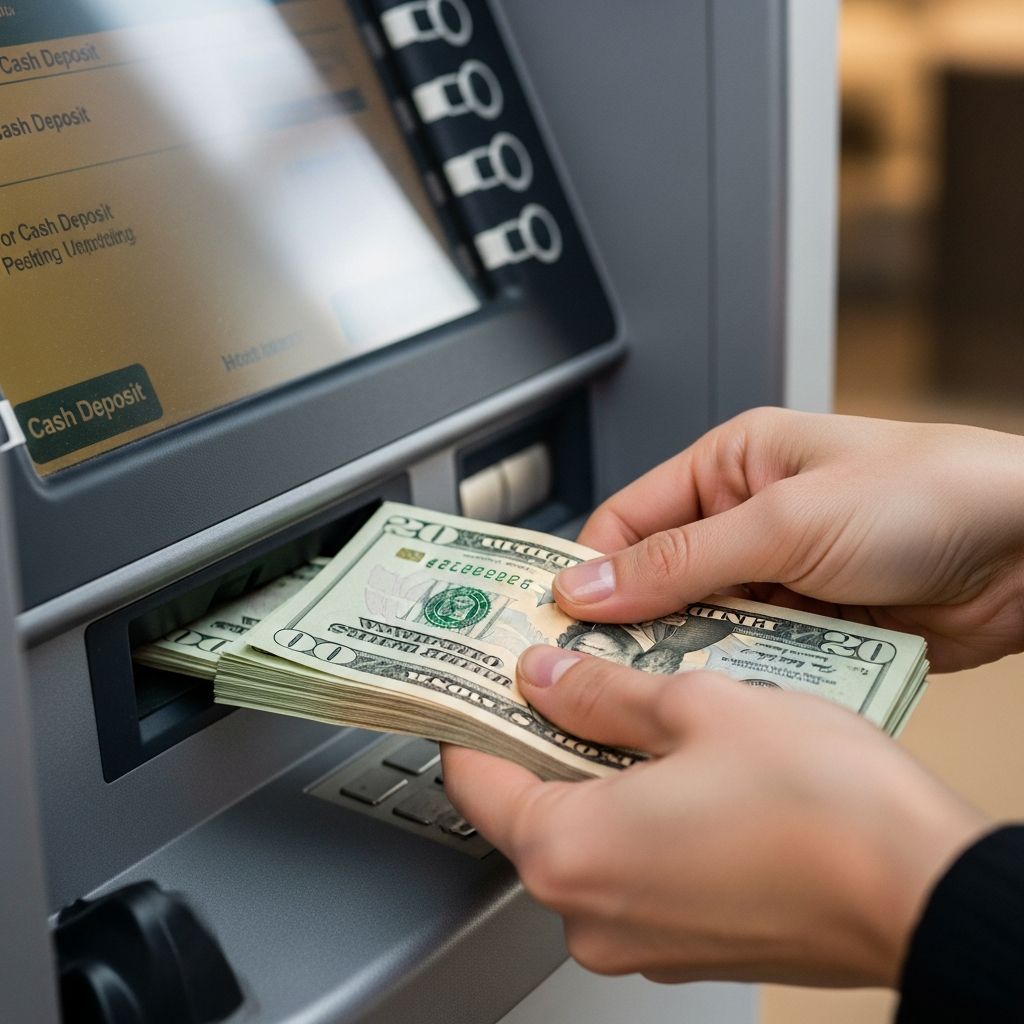
Depositing cash at an automated teller machine (ATM) offers convenience and accessibility for managing your finances outside of traditional banking hours. Whether you’re a small business owner handling daily transactions, a service worker receiving cash tips, or simply someone who prefers managing cash deposits independently, understanding the process and options available can help you make informed banking decisions. This comprehensive guide walks you through everything you need to know about depositing cash at ATMs, from the basic steps to understanding fees and finding the best options for your financial situation.
Understanding ATMs and Cash Deposits
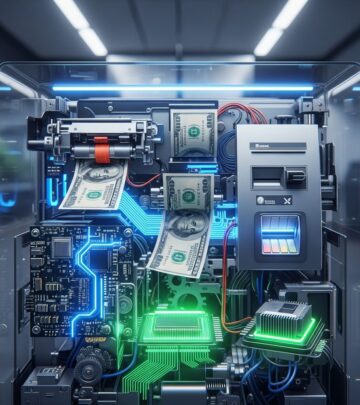
An automated teller machine is a self-service banking terminal that allows customers to perform various financial transactions without requiring assistance from bank staff. While ATMs are traditionally known for allowing customers to withdraw cash, many modern machines now offer the convenience of depositing both cash and checks directly into your account. The ability to deposit cash at an ATM provides flexibility, especially for those who need to access banking services outside regular business hours or prefer not to visit a physical branch.
ATM technology has evolved significantly, with many banks now offering deposit capabilities at their machines. However, not all ATMs accept cash deposits, and the availability of this feature depends on your bank, the specific machine location, and your account type. Understanding which ATMs support cash deposits in your area is the first step toward efficient cash management.
Step-by-Step Process for Depositing Cash at an ATM
The process for depositing cash at an ATM is generally straightforward, though it may vary slightly depending on your bank and the specific machine. Here’s a detailed breakdown of the typical steps:
1. Insert Your Debit Card or Access Your Account
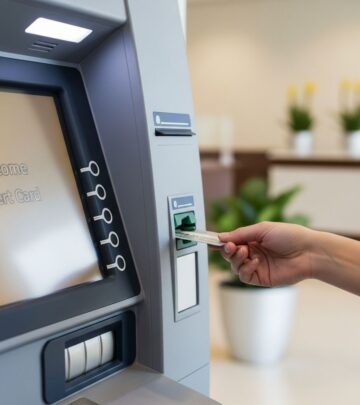
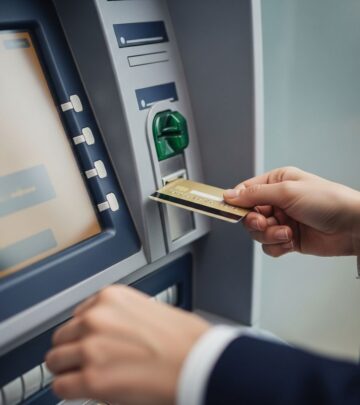
Begin by inserting your bank-issued debit card into the ATM card slot. The machine will prompt you to enter your personal identification number (PIN). This security measure ensures that only authorized account holders can access and deposit funds. If you’re using a mobile wallet or cardless access feature offered by your bank, follow the specific instructions provided by your financial institution for authentication.
2. Navigate to the Deposit Option
Once you’ve authenticated your identity, the ATM’s main menu will appear on the screen. Look for and select the deposit option, which is typically labeled as “Deposit,” “Make a Deposit,” or “Deposit Cash/Check.” Different banks may label this option slightly differently, but it’s usually one of the primary menu choices.
3. Select the Type of Deposit
Most ATMs that accept deposits will ask you to specify whether you’re depositing cash, checks, or both. Select the cash deposit option. Some machines may allow you to deposit both simultaneously, while others require separate transactions. If you’re depositing checks as well, you may need to process them separately or indicate that you’re making a combined deposit.
4. Enter the Deposit Amount
You’ll be prompted to enter the amount you wish to deposit. Some machines allow you to input the amount manually using the keypad, while others may ask you to place your bills into the machine first and then confirm the amount that the machine has counted. Be accurate with your entry, as this amount will be credited to your account. If the machine counts the bills automatically, verify that the displayed amount matches your expectation before confirming.
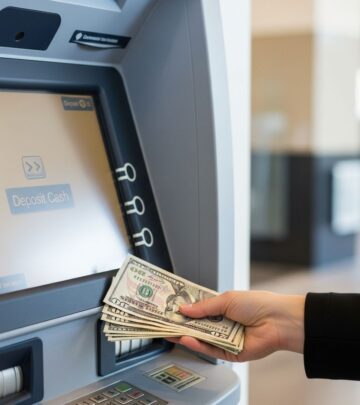
5. Insert Your Cash into the Deposit Slot
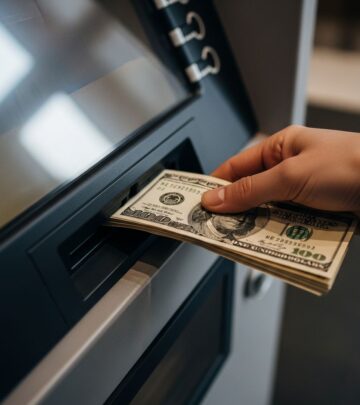
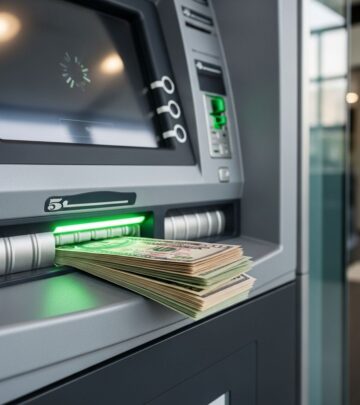
Place your bills into the designated cash deposit slot on the ATM. Most machines accept bills in denominations of $1, $5, $10, $20, $50, and $100. Ensure that all bills are properly oriented and not folded or damaged, as the machine may reject bills that it cannot read properly. Some machines accept multiple bills at once, while others may require you to feed them individually. Follow the on-screen instructions for your specific machine.
6. Confirm Your Deposit
After the machine has processed your cash, it will display a confirmation screen showing the amount deposited. Review this information carefully to ensure accuracy. If everything is correct, confirm the transaction by pressing the appropriate button or option. The machine will then provide you with a receipt documenting your deposit.
7. Collect Your Receipt
Always take your receipt from the ATM. This document serves as proof of your deposit and shows the transaction details, including the date, time, and amount deposited. Keep this receipt until you’ve verified that the funds have been credited to your account, which typically occurs within one to two business days, though some banks may credit deposits more quickly.
ATM Cash Deposit Fees and Costs
One of the important considerations when depositing cash at ATMs is understanding the fee structure. Unlike ATM withdrawals, which often incur significant charges when using out-of-network machines, cash deposits are typically free when using your bank’s own ATM network.
In-Network ATM Deposits
Most banks do not charge fees for depositing cash at ATMs within their own network. This is one of the advantages of maintaining an account with a bank that has an extensive ATM network. If you use only your bank’s ATMs for deposits, you can avoid fees entirely. However, if you occasionally use out-of-network ATMs for deposits, you may encounter charges.
Out-of-Network ATM Deposits
While some banks allow account holders to deposit cash at out-of-network ATMs, they may charge fees for these transactions. Additionally, the owner of the out-of-network ATM may also charge a surcharge. Out-of-network ATM fees have increased significantly in recent years. According to Bankrate’s 2025 Checking Account and ATM Fee Study, the average total out-of-network ATM fee reached a record high of $4.86 per transaction, comprising an average bank fee of $1.64 and an average ATM surcharge of $3.22.
Online Banks and Retail Partnerships
Many online banks have adapted to address the challenge of cash deposits for customers without physical branches. These institutions offer partnerships with retail locations and ATM networks that allow customers to deposit cash for free or for a minimal fee. Online banks like Capital One, Axos Bank, and Alliant Credit Union provide multiple ways to deposit cash. For example, Axos Bank doesn’t charge fees for cash deposits made at participating retailers, though the retailers themselves may charge up to $4.95 per transaction.
Finding ATMs That Accept Cash Deposits
Locating ATMs that accept cash deposits requires a bit of research, but most banks make this information readily available through their websites and mobile applications.
Bank ATM Locators
Most banks provide online ATM locator tools on their websites. These tools allow you to search for nearby ATM locations by entering your address or zip code. Many locators include a checkbox or filter option to display only ATMs that accept cash deposits, which streamlines your search significantly. These tools typically show the machine’s address, hours of operation, and available services.
Mobile Banking Apps
Bank mobile apps often include built-in ATM locator features that use your smartphone’s GPS to identify nearby machines. These apps provide real-time information about which ATMs support cash deposits, making it easy to find a suitable location while you’re on the go.
Customer Service
If you’re unsure whether a particular ATM accepts cash deposits, you can always contact your bank’s customer service department. Representatives can provide specific information about machines in your area and help you understand any limitations or fees that may apply.
Bank Comparison for Cash Deposit Options
| Bank | Network Size | In-Network Deposit Fee | Out-of-Network Fee | Special Features |
|---|---|---|---|---|
| Axos Bank | About 91,000 | None | Up to 1% | Unlimited domestic reimbursements for select checking accounts |
| Bank of America | About 15,000 | $2.50 | $5 plus 3% | Limited reimbursements for Platinum tier and higher |
| Capital One | Retail partnerships | None | Varies by retailer | Green Dot Network access nationwide |
| Wells Fargo | Over 10,000 | $3 | $5 plus 3% | Monthly reimbursements for Prime and Premier customers |
| U.S. Bank | Over 40,000 | $2.50 | 3% | Reimbursements for Platinum-tier Smart Rewards customers |
Alternative Methods for Depositing Cash
If ATM access is limited in your area or if you prefer other options, several alternatives exist for depositing cash into your bank account.
Retail Location Deposits
Many online banks have partnered with major retailers to offer cash deposit services. Customers can visit participating locations like Walmart, CVS, Walgreens, 7-Eleven, and others to deposit cash directly into their accounts. The Green Dot Network, for example, covers approximately 96 percent of the country within a three-mile radius of a location. Deposits made at retail locations may incur fees of up to $4.95 per transaction, though some retailers and banks do not charge fees.
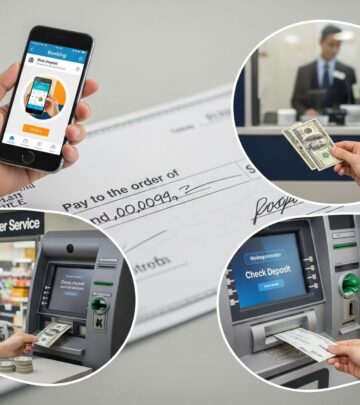
Money Orders and Cashier’s Checks
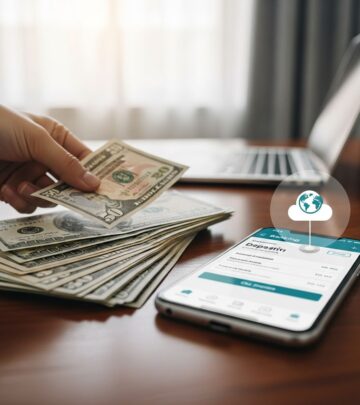
If direct cash deposits aren’t available through your bank, you can purchase a money order or cashier’s check with your cash at post offices, grocery stores, or convenience stores. You can then deposit these financial instruments into your account by using your bank’s mobile app to take photographs of the front and back of the document. This method may take longer to process and could involve additional fees for purchasing the money order or check.
In-Branch Deposits
For traditional banks with physical locations, visiting a branch during business hours remains a reliable option for depositing cash. Speak with a teller, and they will process your deposit promptly. This method offers the advantage of immediate verification and the ability to ask questions about your account.
Mobile Check Deposit
While this method doesn’t apply to cash, many banks allow you to deposit checks by taking photographs using your mobile app. If you have checks to deposit along with cash, consider converting a portion of your cash to a check through various methods, though this may not be practical for most situations.
Limitations and Things to Know
When depositing cash at ATMs, be aware of several important limitations and considerations. Many ATMs have daily or per-transaction limits on the amount of cash they will accept. These limits vary by bank and machine but typically range from $500 to $10,000 per transaction. Some machines may also have limits on the number of bills accepted per transaction. If you’re depositing a large sum, you may need to make multiple visits or use alternative deposit methods.
Additionally, ATM deposits may not be credited to your account immediately. Most banks process ATM deposits within one to two business days, though some institutions may credit deposits faster. It’s important to understand your specific bank’s processing timeline to avoid assuming funds are available before they actually are.
Always ensure that the ATM is in good working condition and located in a safe, well-lit area. Avoid depositing cash at unmaintained machines or in unsafe locations. If an ATM appears to malfunction, use a different machine and report the issue to your bank.
Maximizing Convenience and Avoiding Fees
To make the most of ATM cash deposits while minimizing costs, consider these strategies. First, choose a bank with an extensive ATM network that accepts cash deposits. Second, whenever possible, use only your bank’s ATMs for deposits to avoid out-of-network fees. Third, if you frequently handle cash, consider online banks that have partnerships with retail networks, as these often provide convenient deposit options nationwide. Finally, consolidate your deposits when possible to reduce the number of transactions and avoid multiple fees.
Frequently Asked Questions
Q: How long does it take for a cash.deposit at an ATM to show up in my account?
A: Most banks credit ATM deposits within one to two business days. However, some banks may.credit deposits more quickly, sometimes within a few hours. Check your bank’s specific processing timeline for accurate information.
Q: Can I.deposit cash at any bank’s ATM?
A: No, you can typically only.deposit cash at ATMs owned by your own bank or partner institutions. Attempting to.deposit at an unaffiliated ATM may result in a declined transaction or fees.
Q: What should I do if the ATM rejects.my cash?
A: If an ATM rejects your bills, ensure they are not damaged, folded, or dirty. Clean bills inserted correctly should be accepted. If the problem persists, try a different ATM or visit your bank branch.
Q: Are there any daily limits on ATM cash deposits?
A: Yes, most banks impose daily.limits on ATM deposits. These typically range from $500 to $10,000 per transaction or per day. Contact your bank to learn about specific limits for your account.
Q: Do online banks.allow cash deposits at ATMs?
A: Yes, many online banks.partner with ATM networks or retail locations to.offer cash deposit services. Options vary by bank, so check with your specific online bank for available.deposit methods.
Q: What’s the difference between in-network and out-of-network ATM deposit fees?
A: In-network deposits are typically.free when using your bank’s own ATMs. Out-of-network deposits may incur fees from.both your bank and the ATM.operator, with total costs averaging $4.86 according to recent.data.
Q: Can I.deposit cash at retail locations if my bank doesn’t have ATMs?
A: Yes, if your bank.participates in the Green Dot Network or similar retail partnerships, you can.deposit cash at participating retailers like Walmart, CVS, and Walgreens. Fees.may apply at the retail location.
References
- How Much Are Bank ATM Fees? — Bankrate. November 2025. https://www.bankrate.com/banking/how-much-are-atm-fees/
- Best Online Banks That Take Cash Deposits — Bankrate. 2025. https://www.bankrate.com/banking/best-online-banks-for-cash-deposits/
- Survey: ATM Fees Hit Record High For Third Straight Year — Bankrate. 2025. https://www.bankrate.com/banking/checking/checking-account-survey/
- Automated Teller Machine (ATM): What It Is And How To Use One — Bankrate. 2025. https://www.bankrate.com/banking/what-is-an-atm/
- Why Next-Gen Bank Apps Are Letting Young Adults Deposit Cash — Bankrate. 2025. https://www.bankrate.com/banking/savings/challenger-banks-offer-customers-ability-to-deposit-cash/
- Federal Reserve Diary of Consumer Payment Choice — Federal Reserve. May 2022. https://www.federalreserve.gov/
Similar Articles








Read full bio of medha deb