How To Deal With Rising Food Costs: 5 Proven Strategies
Practical strategies to combat skyrocketing grocery prices and keep your family fed without breaking the bank in 2026.

Grocery prices continue to climb due to inflation, supply chain disruptions, and factors like avian flu outbreaks affecting staples such as eggs. According to recent USDA data reflected in economic analyses, food-at-home prices rose 2.7% year-over-year as of August 2025, slightly below overall CPI inflation of 2.9%, while food-away-from-home surged 3.9%. Costs for meats, poultry, fish, and eggs increased by 4.3% in prior periods, with experts anticipating further meat supply declines from processing plant closures. This article outlines proven strategies to stretch your food budget, covering smarter shopping, home cooking, and savvy dining.
Understand Why Food Prices Are Rising
Inflation has persistently driven up grocery costs, with specific items experiencing dramatic swings. Egg prices peaked at $6.27 per dozen in March 2025 due to bird flu, marking a 59% year-over-year jump. Coffee followed suit, reaching $9.13 per pound by September 2025 amid tariffs and supply issues, a 40% annual spike. Broader USDA reports note grocery prices 5% higher year-over-year in recent assessments, hitting low-income families hardest.
Supply chain volatility exacerbates this: labor shortages, climate impacts, and geopolitical events like the Ukraine war contribute to shortages. Consumer packaged goods manufacturers face raw material hikes, limiting price pass-throughs to consumers who are increasingly trading down from dining out. Retailers push private-label alternatives as shoppers seek value amid these pressures.
Smart Grocery Shopping Strategies
Conquer rising costs at the store with these tactics to minimize spending without sacrificing nutrition.
- Shop ethnic grocery stores: These markets offer lower prices on staples like rice, pasta, canned goods, meat, and fish due to reduced overhead and advertising costs. Stock up on affordable spices for global cuisines.
- Buy cheaper meat wisely: Look for sales on lesser-known cuts, buy in bulk when prices drop, and learn trimming techniques. Plan ahead as beef, poultry, and pork prices fluctuate.
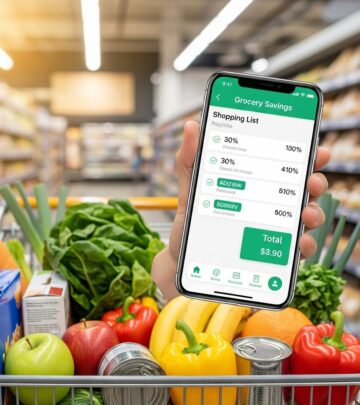
- Use apps for deals: Apps help find sales, coupons, and even save on gas to stores, turning shopping into a savings mission.
- Embrace private labels: Store brands match quality at lower prices, especially as consumers shift amid inflation.
- Stock up strategically: Buy non-perishables before predicted shortages in items like canned goods or coffee, avoiding future hikes from supply issues.
Farmers Markets for Savings
Don’t overlook farmers markets despite perceptions of premium pricing. Grocery prices rose 5% last year per USDA, but markets offer deals for savvy shoppers. Arrive late for discounts, buy in-season produce, and haggle on bulk buys to save over supermarkets.
Master Meal Planning and Prep
Meal planning curbs impulse buys and reduces waste, saving hundreds monthly as food prices soar.
- Plan weekly around sales: Spend 30 minutes scanning flyers, focusing on in-season items and recipes using sale proteins.
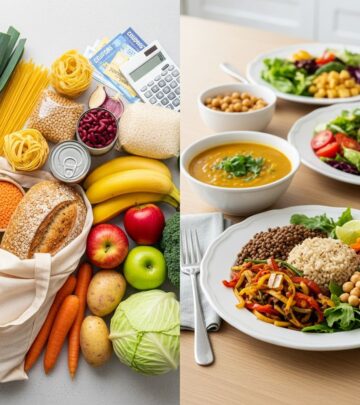
- Stock a versatile pantry: Essentials like grains, canned tomatoes, spices, and beans enable flexible meals from sales. A well-stocked pantry cuts reliance on takeout.
- Batch cook and freeze: Prepare large portions of soups, casseroles, or sauces to eat throughout the week, leveraging bulk buys.
- Prioritize versatile ingredients: Rice, beans, eggs (when affordable), and root vegetables form budget meal bases.
| Meal Planning Template | Monday | Tuesday | Wednesday |
|---|---|---|---|
| Protein | Chicken thighs (sale) | Beans/lentils | Ground turkey |
| Carb | Rice | Pasta | Potatoes |
| Veg | In-season greens | Canned tomatoes | Carrots/onions |
| Cost Estimate | $3/person | $2/person | $3.50/person |
This table shows a sample low-cost weekly plan adaptable to sales, keeping meals under $4 per serving.
Cooking at Home on a Budget
Home cooking trumps eating out, where prices rose faster than groceries. Focus on simple, stretchable recipes.
- Stretch proteins: Mix ground meat with grains or veggies in burgers, meatballs, or chili to serve more people.
- Use pantry staples: Transform basics into meals like rice bowls, pasta primavera, or bean soups.
- Minimize waste: Use veggie scraps for stocks, freeze leftovers, and repurpose meals (e.g., roast chicken into sandwiches).
- One-pot wonders: Recipes like stir-fries or stews require less energy and cleanup, ideal for tight budgets.
With food up 0.5% monthly and 2.5% yearly per recent CPI, these habits yield long-term savings.
Dining Out Without the Regret
Occasional eating out is realistic; optimize to cut costs.
- Leverage rewards apps: Earn cashback or points on delivery and restaurant spends.
- Happy hours and lunch specials: Cheaper than dinner, often with similar portions.
- Share plates: Split apps or entrees to halve costs.
- Limit frequency: Treat it as a reward after home-cooked weeks.
As dining out prices climb 3.9% YoY, home alternatives like elevated pantry meals mimic restaurant quality affordably.
Additional Tips for Long-Term Savings
Beyond basics, these habits build resilience against volatility.
- Grow herbs or microgreens: Indoor options supplement fresh produce cheaply.
- Community supported agriculture (CSA): Bulk seasonal shares beat retail prices.
- Compare unit prices: Larger packages often win despite upfront cost.
- Shop midweek: Restock shelves mean fresher markdowns.
Frequently Asked Questions (FAQs)
What caused the latest egg price surge?
Bird flu outbreaks led to a 59% YoY increase, peaking at $6.27/dozen in March 2025.
Are store brands really as good?
Yes, private labels often match name-brand quality at lower costs, gaining popularity amid inflation.
How much can meal planning save?
Up to 30% on grocery bills by reducing waste and impulse buys, per budgeting experts.
Is it worth shopping at ethnic markets?
Absolutely — staples like rice and spices are cheaper due to lower overhead.
Will food prices keep rising in 2026?
Likely, with CPI food-at-home up 2.7% recently; volatility in imports and supplies persists.
Implementing these strategies empowers you to navigate rising food costs effectively. Start with one change, like weekly planning, for immediate impact amid 2026’s economic landscape.
References
- The changing cost of the grocery cart: The impact of inflation on groceries — ABC17News/Stacker. 2026-01-05. https://abc17news.com/stacker-money/2026/01/05/the-changing-cost-of-the-grocery-cart-the-impact-of-inflation-on-groceries/
- Strategies to Stay Fed and Save Money Amid Rising Food Prices — The Penny Hoarder. N/A. https://www.thepennyhoarder.com/save-money/how-to-deal-with-rising-food-costs/
- How to Save at Farmers Markets: The Penny Hoarder Guide — AOL/The Penny Hoarder. N/A. https://www.aol.com/save-farmers-markets-penny-hoarder-160041240.html
- Groceries Are Getting More Expensive (Again). Here’s How to Afford Them — The Penny Hoarder. N/A. https://www.thepennyhoarder.com/bank-accounts/groceries-more-expensive/
- Supply Chain Shortages: 15 Things You Should Buy Before Prices Go Up — The Penny Hoarder (YouTube). 2022-09-22. https://www.youtube.com/watch?v=B_DKdgVom4A
- 338 Amazing Money-Saving Tips From Our Best Food Articles — The Penny Hoarder. N/A. https://www.thepennyhoarder.com/save-money/best-food-articles/
Similar Articles








Read full bio of medha deb