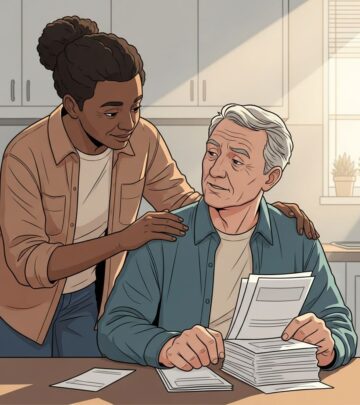
How to Deal When Your Spouse Is Suffering from Burnout
Practical strategies to support your partner through burnout while protecting your own well-being and strengthening your relationship.

Seeing your spouse struggle with burnout can be heartbreaking and challenging. Burnout in a marriage often stems from chronic work stress, overwhelming responsibilities, or emotional strain, leaving one partner emotionally drained and disconnected. As the supporting spouse, you play a crucial role in their recovery, but it’s vital to avoid slipping into caregiver burnout yourself. This guide covers recognizing symptoms, understanding causes, providing effective support, and rebuilding your relationship stronger than before.
Understanding What Burnout Looks Like in Your Spouse
Burnout doesn’t appear overnight; it builds gradually from prolonged stress. In a spousal context, it manifests as emotional exhaustion, detachment, and reduced engagement in the relationship. Unlike temporary fatigue, burnout involves a deep sense of depletion that affects daily life and intimacy.
Common Symptoms of Spouse Burnout
- Emotional Exhaustion: Your spouse may feel constantly drained, irritable, or overwhelmed, even after rest. They might describe feeling ’empty’ or unable to muster energy for daily tasks.
- Detachment and Disconnection: There’s a noticeable emotional or physical distance. Conversations feel superficial, and shared activities lose appeal.
- Reduced Intimacy: Decreased affection, sexual desire, and overall closeness. Partners may feel apathetic toward each other’s needs.
- Resentment and Cynicism: Negative feelings toward the relationship or partner emerge, with frequent criticism or pessimism about the future.
- Physical Signs: Sleep disturbances, frequent illnesses, headaches, or changes in appetite due to chronic stress.
- Behavioral Changes: Withdrawal from social circles, loss of interest in hobbies, or reliance on unhealthy coping like excessive alcohol.
These symptoms mirror those in ADHD spouse burnout or caregiver scenarios, where one partner’s challenges overload the other. Early recognition prevents escalation into full marital burnout.
Recognizing Burnout in Yourself as the Supporting Spouse
Supporting a burnt-out spouse risks ‘spouse caregiver burnout,’ where you neglect your own needs. Research from The Journals of Gerontology shows spousal caregivers face higher psychological distress and a 63% increased mortality risk from chronic stress.
Signs of Caregiver Burnout
| Category | Symptoms |
|---|---|
| Physical | Constant exhaustion, frequent illnesses, sleep issues, weight changes. |
| Emotional | Resentment, anxiety, depression, compassion fatigue, irritability. |
| Behavioral | Withdrawing from support networks, neglecting self-care, impatience. |
If you feel overworked, resentful, or detached, you’re experiencing ADHD-like spouse burnout symptoms, even without ADHD involved. Addressing this protects both partners.
Causes of Burnout in Marriage
Burnout arises from unmet needs, external pressures, and relational strains. Common triggers include:
- Work and Life Stress: High job demands spill over, leaving no energy for home.
- Unbalanced Responsibilities: One partner shoulders most household or emotional labor.
- Poor Communication: Unresolved conflicts lead to emotional disconnection.
- External Factors: Financial woes, family duties, or health issues amplify overwhelm.
- Lack of Support: Feeling unheard or unappreciated erodes connection.
In caregiver contexts, constant demands without respite cause compassion fatigue.
Steps to Support Your Spouse Through Burnout
Helping requires empathy, boundaries, and action. Here’s a structured approach:
- Listen Without Judgment: Create space for them to vent. Avoid fixing; validate feelings like ‘That sounds exhausting.’
- Encourage Professional Help: Suggest therapy or counseling. Cognitive-behavioral approaches effectively combat burnout.
- Promote Self-Care: Urge breaks, exercise, and hobbies. Model healthy habits yourself.
- Share the Load: Take over tasks to reduce their burden, preventing your own resentment.
- Reconnect Intentionally: Plan low-pressure dates to rebuild intimacy without pressure.
Daily Support Strategies
- Check in gently: ‘How are you feeling today?’
- Prepare nourishing meals together.
- Set tech-free evenings for presence.
- Celebrate small wins to rebuild positivity.
Preventing Your Own Burnout as a Spouse
Self-preservation is key. Implement these safeguards:
- Set Boundaries: Say no to extra tasks; prioritize your rest.
- Build a Support Network: Join caregiver groups or talk to friends.
- Practice Self-Care: Schedule personal time for exercise, reading, or therapy.
- Monitor Resentment: Journal or seek couples counseling early.
- Use Respite Care: Arrange help for overwhelming periods.
Differentiate caregiver syndrome (manageable stress) from burnout (total depletion) to intervene timely.
Rebuilding Your Relationship After Burnout
Recovery strengthens bonds if approached collaboratively. Focus on:
- Open Communication: Discuss needs and expectations regularly.
- Quality Time: Rediscover joy through shared experiences.
- Forgiveness and Patience: Acknowledge the temporary nature of burnout.
- Long-Term Planning: Create stress-management routines together.
Couples therapy restores trust and intimacy effectively.
When to Seek Professional Help
If symptoms persist beyond weeks, involve experts. Signs include deepening depression, relationship threats, or physical health decline. Therapists specializing in marital burnout or caregiver stress provide tailored tools.
Frequently Asked Questions (FAQs)
Q: What are the first signs of burnout in my spouse?
A: Look for emotional exhaustion, irritability, detachment, reduced intimacy, and physical symptoms like fatigue or sleep issues. Early detection allows timely support.
Q: How does spouse burnout differ from normal stress?
A: Normal stress is temporary; burnout involves chronic depletion, cynicism, and detachment affecting the entire relationship.
Q: Can supporting a burnt-out spouse cause me to burn out?
A: Yes, leading to caregiver burnout with resentment and health risks. Prioritize your self-care to sustain support.
Q: What if my spouse denies they’re burnt out?
A: Share observations gently with ‘I’ statements, like ‘I notice you’ve seemed tired lately.’ Encourage self-reflection without pressure.
Q: How long does recovery from spouse burnout take?
A: Varies from weeks to months with intervention. Consistency in support and lifestyle changes speeds healing.
Conclusion: Foster Resilience Together
Navigating spouse burnout tests marriages but builds deeper empathy and strength. By recognizing signs, offering compassionate support, and safeguarding your well-being, you can guide your partner to recovery. Remember, a healthy relationship supports mutual growth—prioritize it daily.
References
- ADHD Spouse Burnout: Essential Strategies for Lasting Support — ADD.org. 2023. https://add.org/adhd-spouse-burnout/
- Spouse Caregiver Burnout: Recognizing the Signs and Finding… — FreedomCare. 2024. https://freedomcare.com/spouse-caregiver-burnout/
- Understanding Marital Burnout: Symptoms, Causes, and Solutions — Relevant Connections. 2023. https://relevant-connections.com/understanding-marital-burnout-symptoms-causes-and-solutions/
- Relationship Burnout: Signs, Causes & How to Overcome — Choosing Therapy. 2024. https://www.choosingtherapy.com/relationship-burnout/
Similar Articles








Read full bio of Sneha Tete