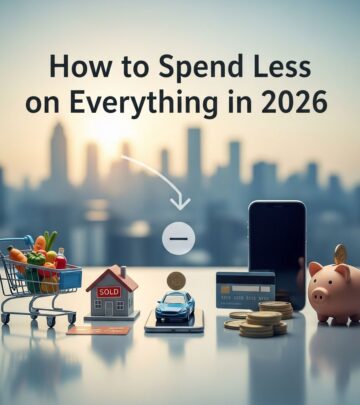
352 Ways to Cut Expenses in Every Area of Life
Discover 352 practical tips to slash expenses across budgeting, groceries, housing, shopping, and more for real financial freedom.

If you’re looking for effective ways to
cut expenses
, this guide compiles 352 practical tips—one for nearly every day of the year. These baby steps in budgeting, groceries, housing, shopping, and more can lead to substantial savings without drastic lifestyle changes. From no-spend challenges to envelope systems, discover how to trim fat from your budget today.Master Your Budget: Overcome Fear and Build Habits
Budgets often feel restrictive, but simple frameworks make them approachable. Start with the
50/30/20 rule
: allocate 50% of take-home pay to essentials like rent and groceries, 30% to wants like dining out, and 20% to savings and debt.This method, popularized for its flexibility, helps compare your spending against peers anonymously, revealing overspending in categories like shopping.
- Track expenses for one month to identify leaks.
- Adjust allocations: if shopping exceeds 30%, redirect funds to savings.
Journaling and Tracking Tools
Adopt
bullet journaling
to monitor spending, savings, and debt visually. Users report spotting problem areas within a week, like impulse buys.Create categories: daily expenses, goals, and reflections. Combine with apps for digital backups.
Spending Freeze Challenge
Implement a
no-spend challenge
by freezing non-essential purchases for a week, month, or year. Cover essentials like bills, but skip dining, clothes, and entertainment.- Pick a timeframe: November for holiday prep.
- Save averages: $400/month by skipping restaurants.
Zero-Based and Envelope Budgeting
In a
zero-based budget
, assign every dollar a job—expenses, savings, debt—until zero remains. Track a month, set goals, then cut until balanced.The
envelope system
uses cash in labeled envelopes (groceries, fun) to curb overspending. Refill monthly; stop when empty. Popularized by Dave Ramsey, it promotes mindfulness.Groceries and Food: Shop Smarter, Waste Less
Groceries are a top variable expense.
Inventory your pantry first
: build meals around existing stock to cut bills and waste.- Meal plan weekly: reduces impulse buys, saves $500/month for some families.
- Cook at home 4 nights/week vs. $40 takeout: $2,000/year saved.
Store Choices and Hacks
Visit
Asian markets
for 44% savings on produce—mushrooms drop from $4.35 to $2.11. Compare: stir-fry ingredients $35.74 traditional vs. $19.88 ethnic.Opt for generics, coupons, rebates. Bulk buys work if used fully; skip for small households.
| Strategy | Potential Savings | Example |
|---|---|---|
| Pantry Shopping | 20-30% grocery bill | Meals from forgotten items |
| Ethnic Markets | 44% | Produce deals |
| Meal Planning | $500/month | Stick to list |
No-Spend Food Rules
In challenges, “shop” home stocks: rediscover freezer meals, unused shoes, makeup. Keep a
wish list
for temptations—review later, many urges fade.Housing and Utilities: Downsize and Optimize
**Downsizing** slashes costs dramatically. One family moved from 2,200 sq ft to 207 sq ft tiny home: no mortgage, lower utilities/groceries.
Adjust thermostat/water heater; make cleaners. Potlucks cut holiday food costs.
- Pay insurance annually: 8-9% discount.
- Negotiate bills: $20/month off internet = $240/year.
Shopping and Clothing: Buy Used, Earn Cashback
Never pay full online: use cashback sites like Rakuten (formerly Ebates) for 10% back at Walmart + $10 gift card.
**Buy secondhand**: save $146/month on clothes. Thrift seasonally for wardrobe gaps. Repair items: sew clothes, fix appliances vs. replace.
Sell unused via OfferUp, eBay, Marketplace.
Dining, Entertainment, Transportation
Skip warehouse fees if not bulk-buying. Variable transport: carpool, maintain efficiency.
Pet grooming DIY or less frequent.
Frequently Asked Questions (FAQs)
What is a no-spend challenge?
A commitment to essentials only for a period, saving $400+ monthly by cutting dining.
How does envelope budgeting work?
Cash in category envelopes; spend only from them to avoid overspending.
Can meal planning really save $500/month?
Yes, by reducing waste and sticking to lists—one family confirmed.
Is the 50/30/20 budget flexible?
Absolutely: 50% needs, 30% wants, 20% savings/debt.
Should I downsize housing?
For big savings, yes—like tiny homes eliminating mortgages.
These 352 tips (grouped for brevity) cover budgeting (50 tips), groceries (100), housing/utilities (50), shopping (60), dining/entertainment (50), transport (20), misc (22). Implement 1-2 daily for cumulative impact. Track progress with journals or apps.
References
- 352 Simple Ways to Save Money in (Literally) Every Area of Your Life — The Penny Hoarder. 2023. https://www.thepennyhoarder.com/save-money/how-to-cut-expenses-all-the-ways/
- How to Save Money in 2026 With a No-Spend Challenge — The Penny Hoarder. 2025-12-01. https://www.thepennyhoarder.com/save-money/no-spend-challenge/
- 103 Ways You’re Probably Wasting Money — and How to Stop — The Penny Hoarder. 2024. https://www.thepennyhoarder.com/save-money/ways-youre-wasting-money/
- How to Save Money: 25 Proven Tips That Actually Work — The Penny Hoarder. 2025. https://www.thepennyhoarder.com/save-money/how-to-save-money/
- The First 3 Expenses to Cut When Money Gets Tight — YouTube (Budget Basics). 2024-05-15. https://www.youtube.com/watch?v=V1pZyzr4OOY
- 4 Ways to Successfully Budget for Variable Expenses — The Penny Hoarder. 2024. https://www.thepennyhoarder.com/budgeting/variable-expenses/
- 50/20/30 Rule: How to Make a Budget With This Flexible Method — YouTube (The Penny Hoarder). 2023-11-20. https://www.youtube.com/watch?v=HTE6K7_PEkY
Similar Articles








Read full bio of medha deb