How to Create a Speculative Bubble and Profit
Master the art of engineering market manias: a satirical guide to inflating bubbles and cashing out before the crash.

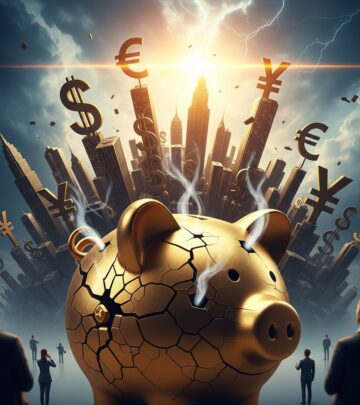
Speculative bubbles have shaped financial history, from the frenzied tulip mania in 17th-century Holland to the dot-com explosion and the 2008 housing crisis. These episodes feature asset prices soaring far beyond intrinsic value, driven by collective euphoria, before crashing spectacularly. While destructive, they offer lessons in market psychology. This satirical yet insightful guide breaks down how one might hypothetically engineer such a phenomenon and extract profits—purely for educational purposes, of course. We’ll cover the stages, tactics, historical parallels, and exit strategies, emphasizing the high risks involved.
Understanding Speculative Bubbles
A
speculative bubble
occurs when asset prices detach from fundamentals like earnings, utility, or supply-demand balance, propelled by investor irrationality. As described in financial analyses, bubbles unfold in five classic stages: displacement, boom, euphoria, profit-taking, and panic. This framework, observed in events like the South Sea Bubble of 1720 and modern tech surges, highlights how innovation sparks interest, media amplifies it, and greed sustains the rise until reality intervenes.Central banks and low interest rates often act as catalysts, as seen in post-9/11 rate cuts that fueled housing speculation. Investors pile in via easy credit, creating a self-reinforcing loop of rising prices and FOMO (fear of missing out). But bubbles burst when liquidity dries up or bad news triggers selling.
Step 1: Find the Right Asset or Idea
Select an asset with plausible appeal but unlimited hype potential. Ideal candidates include:
- Novel technologies: AI chips, blockchain, or biotech breakthroughs—like Nvidia’s AI-driven stock surge, where valuations soared on hype despite fundamentals.
- Commodities with scarcity narrative: Tulips in Holland or rare earth metals today.
- Real estate in hot markets: Subprime mortgages disguised as “safe” investments pre-2008.
- Meme stocks or collectibles: GameStop or NFTs, fueled by social media.
The key is a story that sounds revolutionary. Pitch it as “the next big thing” solving world problems, ignoring current profitability. Historical precedent: Dot-com firms with no revenue but sky-high stock prices.
Step 2: Seed the Bubble with Initial Capital
Don’t go solo—recruit insiders. Pool funds from venture capitalists, hedge funds, or wealthy enthusiasts. Use:
| Tactic | Description | Example |
|---|---|---|
| Private placements | Sell shares cheaply to allies pre-public hype. | Enron’s off-balance-sheet deals. |
| Seed rounds | Fund startups at low valuations for massive upside. | Early dot-com investors. |
| Leveraged bets | Borrow cheaply amid low rates to amplify positions. | 2004-2005 housing flippers. |
Inject liquidity discreetly. As one commentator noted, Fed reserve creation can mimic this if banks lend aggressively—but they often don’t, due to risk. Your goal: Create early price momentum to attract outsiders.
Step 3: Build Hype and Momentum
Hype is oxygen. Strategies include:
- Media blitz: Leak stories to outlets like CNBC. Greenspan-era speeches downplayed bubbles, sustaining them.
- Influencer army: Pay bloggers, TikTokers, or Reddit communities to evangelize.
- FOMO engineering: Host conferences, webinars. Show charts of exponential gains.
- Analyst upgrades: Friendly reports predicting 10x returns.
In the boom phase, prices rise 2-5x, drawing retail investors. Euphoria follows: Cabbies give tips, prices hit irrational highs. Amplify with leverage—easy loans turn $10K into $100K positions.
Step 4: Scale with Leverage and FOMO
Low rates from central banks are your ally, as in 2002-2007 when mortgage rates hit 50-year lows, spurring first-time buyers. Encourage margin trading, options, and derivatives to magnify gains (and losses). Create financial products like CDOs in housing bubbles to obscure risks.
Psychologically, exploit herd behavior. As prices climb, skeptics silence amid “this time it’s different” narratives. Nvidia’s AI hype exemplifies: High valuations justified by future promises, media buzz, and sentiment.
Step 5: Time the Peak and Profit-Take
Recognize euphoria: Media saturation, novice investors bragging, valuations at 100x earnings. Signs of topping:
- Increased volatility.
- Insiders selling quietly.
- Regulatory whispers.
Exit in phases: Sell 20% at 5x gains, another at 10x. Use algorithms for stealth. Historical lesson: 2007 housing sellers profited before the crash. Avoid dumping all at once—triggers panic early.
Step 6: Engineering the Burst (Optional, Risky)
To maximize chaos (and bargains post-crash), withdraw liquidity: Short the asset, spread doubt via anonymous tips, or lobby for rate hikes. But beware backlash—Greenspan admitted popping bubbles risks recession. Better: Let greed do the work until profit-taking starts the decline.
Historical Case Studies
Tulip Mania (1637)
Rare bulbs traded as futures, prices peaked at a year’s wages per bulb. Burst when contracts settled, bankrupting speculators. Lesson: Scarcity + novelty = bubble fuel.
Dot-Com Bubble (1999-2001)
Internet hype inflated Pets.com et al. Nasdaq tripled then halved. Insiders cashed out billions.
Housing Bubble (2004-2008)
Low rates + subprime lending created nationwide mania. Flippers profited until foreclosures hit.
Modern Echoes: AI and Nvidia (2024+)
AI frenzy mirrors dot-com, with Nvidia’s rapid rise questioned as bubbly yet backed by real growth.
Risks and Ethical Considerations
Bubbles destroy wealth: 2008 recession cost trillions. Creators face lawsuits, jail (e.g., Madoff). Markets evolve—regulations like Dodd-Frank curb excesses. Ethically, manipulation erodes trust. AI bubbles may spur growth via infrastructure, per Wharton analysis.
Defensive Strategies for Investors
To avoid bubbles:
- Focus on fundamentals: P/E ratios, cash flows.
- Diversify; avoid leverage.
- Sell into strength.
- Ignore hype; study history.
Post-bubble, buy distressed assets cheap.
Frequently Asked Questions (FAQs)
Q: Can central banks create bubbles intentionally?
A: Not overtly, but low rates post-crises like 9/11 fueled housing. Fed chairs like Greenspan acknowledged limits in preempting them.
Q: Is Nvidia in a bubble today?
A: Its rapid rise shows bubble traits—hype, high valuation—but strong AI fundamentals suggest sustainability. Time will tell.
Q: How do you spot a bubble early?
A: Watch for prices >> intrinsic value, FOMO-driven buying, media frenzy.
Q: What’s the best way to profit from a bubble?
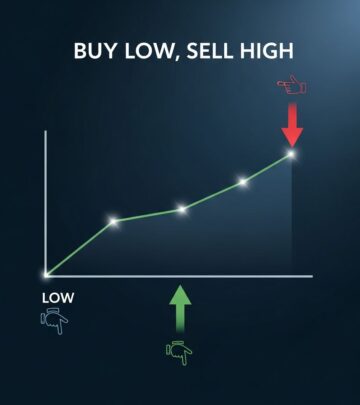
A: Enter early, exit at euphoria peak. Short the crash if skilled.
Q: Are bubbles inevitable in free markets?
A: Human psychology ensures periodic manias, but regulation mitigates.
References
- Recent comments on housing bubble and Fed policy — Wise Bread. 2008-10 (archived discussion). https://www.wisebread.com/comments/moneycenter.yodlee.com?page=3539
- What Is A Financial Bubble And What’s Nvidia Got To Do With It? — DawnNews English (YouTube). 2024-06-26. https://www.youtube.com/watch?v=_cl0468wzC4
- Recent comments on dot-com bubble — Wise Bread. Circa 2009 (archived). https://www.wisebread.com/comments?page=3670
- Why Today’s AI Bubble May Fuel Tomorrow’s Economic Growth — Wharton School (Acast podcast). 2025 (approx., recent). https://shows.acast.com/wbr-highlights/episodes/janet-alvarez
- Federal Reserve speeches on bubbles (Greenspan) — Federal Reserve (official .gov). 2002-08-30 & 2004-10-19. https://www.federalreserve.gov/boarddocs/speeches/2002/20020830/
Similar Articles








Read full bio of Sneha Tete