17 Ideas to Keep Your Home Cool This Summer — With or Without AC
Beat the heat and slash your energy bills with these 17 practical tips for cooling your home without relying on air conditioning.
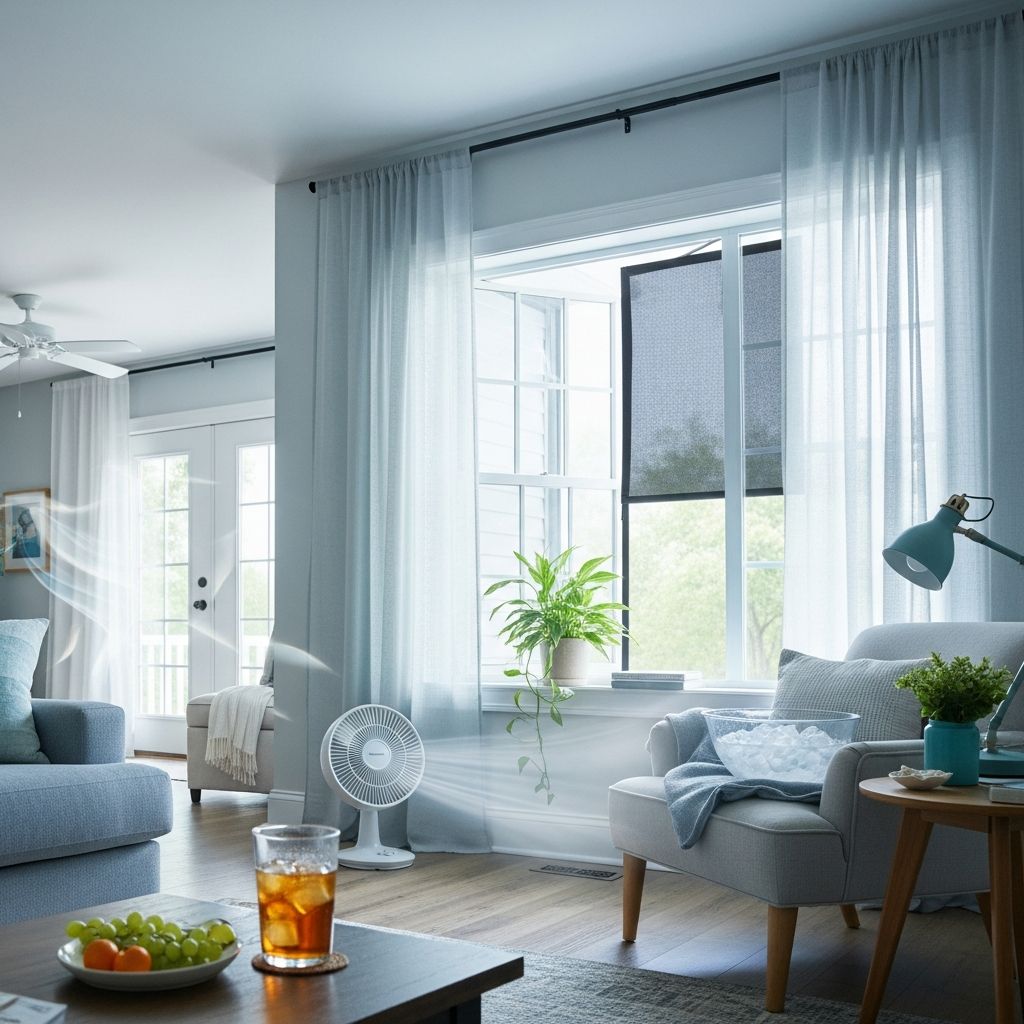
You don’t need expensive air conditioning to stay cool during scorching summers. These 17 practical strategies, drawn from energy-saving experts, help circulate cooler air, block heat, and minimize energy use, potentially cutting your utility bill significantly. As Sally Thelen, former spokeswoman for Duke Energy, notes, HVAC systems dominate utility costs, so simple adjustments yield the biggest savings.
1. Add a $20 Screen Door
Installing affordable screen doors on entryways promotes cross-ventilation during cooler morning and evening hours, allowing fresh air in without bugs. Options start at $12.99, using Velcro or simple mounts for easy DIY installation—no handyman required. Wooden screens cost around $100 but offer durability. This low-cost upgrade enhances airflow, making your home feel refreshingly cooler without AC.
2. Make Your Own DIY Air Conditioner
Get creative with household items to mimic AC effects. Place a bowl of ice in front of a fan to blow chilled air into the room. Hang a wet sheet over an open window for evaporative cooling as air passes through. Or, roll a cold-water-dampened towel across a box fan’s front grille. These hacks leverage evaporation and ice to drop room temperatures noticeably, ideal for budget-conscious cooling.
3. Push out Hot Air by Placing Box Fans in Windows
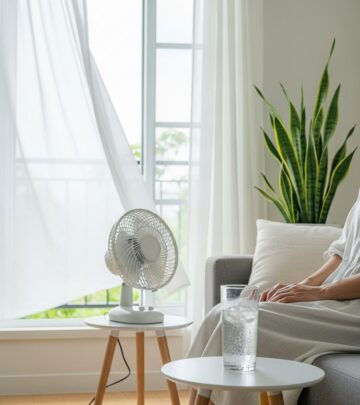
Exhaust hot air effectively by positioning box fans outward in windows of occupied rooms. Pair with inward-facing ceiling fans on counterclockwise settings to circulate cooler air from the floor up. Repurpose a single fan by moving it between living areas and bedrooms. This creates a cooling breeze, purging trapped heat and improving comfort overnight.
4. Close Doors to Unused Rooms
Focus cooling efforts on lived-in spaces by shutting doors to unused areas. This contains cooler air where needed, reducing the workload on fans or minimal AC. Block gaps under doors with rolled towels for a tighter seal. Smaller zones cool faster, saving energy and maintaining comfort efficiently.
5. Close Shades, Blinds and Curtains
Solar heat enters primarily through windows, so block it during peak sun hours (10 a.m. to 4 p.m.) with closed shades, blinds, or blackout curtains. These barriers reflect up to 99% of sunlight, keeping interiors 10-20 degrees cooler. Open them at night for passive cooling. Blackout options excel at trapping cool air inside.
9. Use All Exhaust Fans
Activate kitchen range hoods and bathroom exhaust fans to expel moist, warm air while boosting overall house airflow. This reduces humidity, making temperatures feel cooler, and pairs well with cross-breezes. Run them strategically during cooking or showers for optimal ventilation without energy waste.
10. Fill in Cracks and Leaks to Maintain Cool Air
Seal drafts with weatherstripping on doors/windows and caulk for wall gaps or frames. These fixes prevent hot air infiltration and cool air escape, improving efficiency by up to 20%. Inspect attics, outlets, and pipes too. A well-sealed home stays cooler longer, amplifying other cooling methods.
14. Turn off Unnecessary Lights
Incandescent bulbs generate significant heat—up to 90% of their energy. Switch to LEDs, which stay cool and use 75% less power. Always extinguish lights in empty rooms to eliminate hidden heat sources. This simple habit cools your space while trimming bills; LEDs cost as little as 50 cents each.
15. Use Appliances at Night
High-heat appliances like dishwashers, washers, and dryers warm your home. Run them after sunset when outdoor temperatures drop, leveraging cooler ambient air. Air-dry dishes and clothes when possible to further reduce heat output and energy use.
16. Cook in the Morning
Avoid stovetops and ovens during hot afternoons; prepare meals early when the house is cooler. Reheat via microwave or opt for no-cook options like salads, sandwiches, and fruits. This prevents cumulative heat buildup, keeping evenings more bearable.
17. Unplug Electronics
Devices like TVs, chargers, and computers emit heat and draw “vampire” power even off. Unplug them or use smart strips to cut both. This eliminates sneaky warmth and phantom energy, cooling rooms while saving 5-10% on bills annually.
Bonus Tips for Homes With Air Conditioning
1. Keep Air Conditioning on Low, Not Off When You’re Away
Debate rages, but experts recommend setting AC to 78-80°F rather than off. Rekeying a hot house demands more energy than maintaining a slight chill. Use programmable thermostats for automatic adjustments, balancing comfort and savings.
3. Close the Damper
The U.S. Department of Energy advises closing fireplace dampers to block chimney heat gain and cool air loss. A simple lever flip preserves conditioned air, preventing updraft waste.
Advanced Cooling Strategies
Beyond basics, consider ceiling fans on counterclockwise for downward push of cool air, or ice packs before low-placed fans for misty chills. For long-term, plant shade trees south/west or install efficient heat pumps that reverse for cooling. Stay hydrated with water, avoiding alcohol/caffeine, and wear light clothing indoors.
Frequently Asked Questions (FAQs)
How much can these tips save on my energy bill?
Combining methods like sealing leaks, using fans, and LED bulbs can reduce cooling costs by 20-30%, per energy experts, as HVAC dominates summer bills.
What’s the cheapest way to cool a room fast?
A fan blowing over ice or a wet towel provides instant relief for under $5 in materials.
Are box fans better outward or inward?
Outward for hot days to exhaust heat; inward at night for cool air intake.
Do blackout curtains really work?
Yes, they block 99% of sun heat, cooling rooms up to 20°F.
Should I leave fans on when away?
No—fans cool people, not rooms, so turn off to save energy.
| Method | Cost | Energy Savings | Effectiveness |
|---|---|---|---|
| DIY Ice Fan | $0-5 | High | Immediate chill |
| Block Windows | $0-50 | Medium-High | Passive prevention |
| Seal Leaks | $10-30 | High | Long-term |
| LED Swap | $1-5/bulb | Medium | Reduces heat |
This table summarizes top low-cost methods for quick reference.
References
- 17 Ideas to Keep Your Home Cool This Summer — With or Without AC — The Penny Hoarder. 2023. https://www.thepennyhoarder.com/save-money/how-to-cool-down-a-room-without-ac/
- 7 ways to stay cool at home without air conditioning — Bangor Daily News. 2025-06-17. https://www.bangordailynews.com/2025/06/17/homestead/homestead-how-to/how-to-stay-cool-without-air-conditioning-joam40zk0w/
- Energy Savers: Tips on Saving Energy and Money at Home — U.S. Department of Energy. 2024-05-15. https://www.energy.gov/energysaver/energy-savers
Similar Articles








Read full bio of Sneha Tete