How to Consolidate Your Debt With Confidence
Learn how debt consolidation works, compare your options, and build a realistic plan to pay off what you owe faster and more affordably.

Debt consolidation can turn a pile of high-interest balances into a single, structured repayment plan. Used carefully, it may lower your interest costs, simplify your budget, and give you a clear payoff date — but it is not a magic fix, and it does not erase what you owe.
This guide walks through what debt consolidation is, the main ways to do it, the pros and cons, and how to decide whether a personal loan or another strategy fits your situation.
What Is Debt Consolidation?
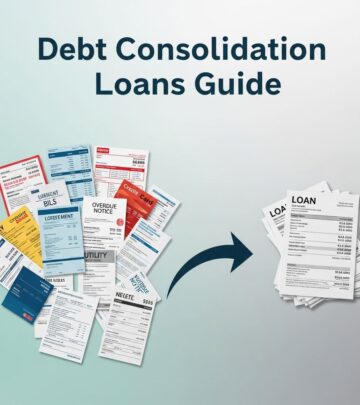
Debt consolidation is the process of combining multiple debts into one new obligation, usually with a single monthly payment and a defined repayment term.
Typical debts people consolidate include:
- Credit card balances
- Store card balances
- Personal loans and installment loans
- Medical bills
- Some types of high-interest short-term loans
According to major banks, debt consolidation can simplify your finances and may reduce the overall interest you pay if the new loan has a lower rate than your existing debts.[10]
How Debt Consolidation Works in Practice
With most consolidation strategies, you either:
- Take out a new loan (such as a personal loan) and use the proceeds to pay off older debts, or
- Move balances from several accounts onto a single new account (for example, a balance transfer credit card).
After consolidation, you make one regular payment toward the new obligation instead of juggling multiple due dates and minimum payments.
When Does Debt Consolidation Make Sense?
Debt consolidation is most helpful when it clearly improves your repayment terms and supports your long-term financial goals.
Situations Where Consolidation May Help
- You can qualify for a lower interest rate. Consolidation is more likely to save you money when the new interest rate is lower than the average rate across your current debts.
- You want a fixed payoff timeline. Installment-style consolidation (like a personal loan) comes with a set term, such as 2–5 years, and a fixed payment schedule.
- You’re overwhelmed by multiple bills. One payment can reduce missed due dates and simplify budgeting.
- You have a steady income and can afford the new payment. Consolidation works best when the new payment fits your monthly budget without pushing you into further borrowing.
When You Should Be Cautious
- The new rate is not clearly lower. If your consolidation rate is similar to or higher than your current average, you might not save money once fees are included.
- You plan to keep using credit cards. Consolidating without changing spending habits can leave you with both a new loan and new card debt.
- Your situation is already critical. If you are missing payments regularly or facing collection actions, you may need a broader strategy (such as working with a nonprofit credit counselor) rather than a new loan.
Main Ways to Consolidate Your Debt
There are several common methods to consolidate consumer debt. Each option has its own advantages, risks, and best-use cases.
| Method | Best For | Key Benefits | Primary Risks |
|---|---|---|---|
| Personal loan (unsecured) | Good credit; mixed unsecured debts | Fixed rate, fixed term, predictable payment | Interest and fees; requires qualification |
| Balance transfer credit card | Primarily credit card debt; strong credit | Introductory low or 0% APR period | Promotional period ends; transfer fees |
| Home equity loan / line of credit | Homeowners with equity | Potentially lower rates | Secured by your home; risk of foreclosure |
| Debt management plan (via nonprofit) | Persistent card debt; trouble managing payments | Structured plan; possible lower rates and fees | Accounts may be closed; monthly program fee |
1. Consolidating with a Personal Loan
A personal loan for debt consolidation is typically an unsecured installment loan used to pay off multiple high-interest debts. You receive a lump sum and then repay it with fixed monthly payments over a set term, often 2–5 years.
How a Debt Consolidation Personal Loan Works
- You apply with a bank, credit union, or reputable online lender for a specific amount.
- If approved, you may receive funds in your bank account, or the lender may pay some creditors directly.
- You use the loan to pay off your target debts, then focus on the single new loan payment.
Experian notes that consolidation loans usually have fixed rates and predictable repayment schedules, which can make budgeting easier.
Pros of Using a Personal Loan
- Predictable payments. Fixed interest and a defined repayment term mean your monthly payment and payoff date are known in advance.
- Potential interest savings. If your new APR is lower than your credit card rates, you may reduce overall interest costs.
- Fewer bills. Multiple accounts become one payment, reducing the chance of missed due dates.
- Can consolidate various debt types. Not limited to credit cards — you can often include medical bills and some other unsecured debts.
Cons of Using a Personal Loan
- Not everyone qualifies for favorable terms. Stronger credit and steady income are usually needed for the best rates and higher loan amounts.
- Fees. Some lenders charge origination fees, which effectively raise your cost.
- Temptation to run up cards again. If you do not adjust your spending, you could end up with both a loan and new card balances.
2. Balance Transfer Credit Card
With a balance transfer, you move existing credit card balances to a new card, often one that offers a low or 0% promotional APR for a limited period.
Bank and credit union guidance emphasizes that balance transfers can be effective when you are confident you can pay the balance down within the promotional window and you factor in transfer fees, typically a percentage of the amount transferred.
When a Balance Transfer Works Best
- You have mostly or only credit card debt.
- Your credit is strong enough to qualify for favorable promotional terms.
- You can afford a monthly payment that pays the balance down before the promo rate expires.
3. Home Equity Loan or Line of Credit
Homeowners sometimes tap a home equity loan or home equity line of credit (HELOC) to consolidate other debts. Because the loan is secured by your home, rates may be lower than unsecured credit options, but you are putting your house at risk if you default.
For that reason, many consumer advocates recommend carefully evaluating whether tying unsecured debt to your home is appropriate, especially if your income is unstable or your total debt load is high.
4. Debt Management Plans via Nonprofit Counseling
A debt management plan (DMP) is offered by nonprofit credit counseling agencies. Under a DMP, the agency works with your creditors to consolidate payments and may negotiate reduced interest rates or fee waivers. You then make a single monthly payment to the agency, which distributes it to your creditors.
This is not a new loan; instead, it is a structured repayment program. It can be an option if your credit is not strong enough for favorable new credit, but you still have income to pay down what you owe over time.
Step-by-Step: How to Consolidate Your Debt
Regardless of the method you choose, the overall process of consolidating debt tends to follow a similar set of steps.
1. List and Assess All Your Debts
Start by gathering full information on every debt you are considering consolidating.
- Creditor name
- Balance
- Interest rate (APR)
- Minimum monthly payment
- Due date
Financial institutions recommend using statements or online account data to ensure your numbers are accurate.
2. Calculate How Much You Need to Borrow
Add up the balances of the debts you intend to include in the consolidation. This total is your target loan or transfer amount.
At the same time, total your current monthly payments. This helps you estimate what kind of new payment will fit your budget while still allowing you to cover essential expenses and savings goals.
3. Check Your Credit and Overall Eligibility
Your credit profile significantly affects the terms you are offered. Before applying:
- Review your credit reports for accuracy through official channels.
- Check your credit score if you can access it through your bank or another reputable service.
- Address any errors or obvious issues when possible.
Lenders generally use your credit score, income, and debt-to-income ratio to decide whether to approve your application and what rate to offer.
4. Compare Consolidation Options and Offers
Once you know how much you need and where your credit stands, compare multiple lenders or alternatives before committing.
Key details to compare include:
- APR (annual percentage rate): This includes your interest rate plus required fees, giving a more complete cost picture.
- Repayment term: A longer term usually lowers your monthly payment but can increase total interest, while a shorter term does the opposite.
- Fees: Look for origination fees, balance transfer fees, or annual fees.
- Direct payment to creditors: Some lenders send funds directly to your creditors, simplifying the process and reducing the risk of misuse.
5. Apply for the New Loan or Product
Once you have selected the right option, complete a formal application. For loans and cards, you can typically apply online or in person with a bank or credit union.
Expect to provide:
- Proof of identity
- Employment and income information
- Address and contact details
- Details on existing debts
Most lenders will perform a hard inquiry on your credit report during the application process, which may temporarily impact your credit score by a small amount.
6. Use the Funds to Pay Off Existing Debts
After approval and funding, the crucial step is to actually pay off the debts you intended to consolidate.
- If your lender offers direct payment, confirm that all listed accounts show a zero balance.
- If funds are deposited into your bank account, use them promptly to pay off the targeted debts — avoid using the money for new purchases.
Once this is done, you should be left with only the new loan or consolidated account to repay.
7. Build and Stick to a Repayment Plan
Consolidation only helps if you follow through. Banks and credit unions emphasize the importance of making every payment on time and in full.
- Set up automatic payments if your lender allows it.
- Update your budget to prioritize the new payment.
- Consider closing or limiting use of cards you just paid off to avoid adding new balances.
Pros and Cons of Debt Consolidation
Key Advantages
- Simplified finances: One payment instead of several can make it easier to stay organized and avoid missed due dates.[10]
- Potential interest savings: A lower APR compared with your existing debts can reduce the total interest you pay.
- Predictable payoff date: Fixed-term options can give you a clear timeline for becoming debt-free.
- Budget clarity: A single, consistent payment makes planning monthly cash flow more straightforward.
Key Drawbacks
- Does not solve underlying spending issues: Without habit changes, it is easy to accumulate new balances after consolidating.
- Costs and fees: Origination or transfer fees can reduce or eliminate potential savings.
- Qualification hurdles: Poor credit may lead to high rates or denials, making consolidation less effective.
- Risk with secured options: Using home equity or other collateral means you could lose that asset if you cannot repay.
Is Debt Consolidation Right for You?
There is no single answer that fits everyone, but you are more likely to benefit from consolidation if:
- Your total debt is significant but still manageable with your current or slightly adjusted budget.
- You can qualify for better rates or more favorable terms than you currently have.
- You have a plan to avoid taking on new high-interest debt.
If your debt feels unmanageable, you are behind on several payments, or you are being contacted by collectors, it may be wise to speak with a certified nonprofit credit counselor before taking on a new loan. Reputable counseling organizations can help you review all your options, including budgeting, debt management plans, or, in severe cases, legal alternatives.
Frequently Asked Questions (FAQs)
Q: Does debt consolidation hurt my credit score?
A: When you apply for a new loan or card, the lender usually performs a hard credit inquiry, which may cause a small, temporary dip in your score. Over time, making on-time payments and reducing total debt can help your credit profile, while missed payments or new high balances can harm it.
Q: Can I consolidate debt with bad credit?
A: It is possible, but the terms you receive may not be favorable. Lenders may charge higher interest or offer lower limits. In some cases, working with a nonprofit credit counselor or focusing on improving your credit before applying could be more effective than taking on a high-cost consolidation loan.
Q: Should I close my credit cards after consolidating?
A: Closing cards can help you avoid reusing them, but it may also affect your credit utilization and credit history length. A balanced approach is to limit new charges, consider keeping older cards open with low or no balances, and monitor your spending carefully.
Q: Is using home equity to consolidate debt a good idea?
A: Home equity loans and lines of credit can offer lower interest rates, but they are secured by your property. If you default, you could risk foreclosure. Many experts recommend treating this option with caution and using it only if you have stable income, a strong repayment plan, and understand the risks.
Q: How fast can I become debt-free with consolidation?
A: Your timeline depends on your consolidation term, interest rate, and how much extra you can pay beyond the required minimum. For example, a typical debt consolidation loan might run 2–5 years, but paying more than the scheduled amount each month can shorten your payoff period and reduce interest.
References
- How to Get a Debt Consolidation Loan — Experian. 2023-06-14. https://www.experian.com/blogs/ask-experian/how-to-get-a-debt-consolidation-loan/
- How Debt Consolidation Loans Work — Bankrate. 2023-08-10. https://www.bankrate.com/loans/personal-loans/how-debt-consolidation-loans-work/
- How to Get a Debt Consolidation Loan in 5 Steps — NerdWallet. 2023-09-05. https://www.nerdwallet.com/personal-loans/learn/how-to-get-a-debt-consolidation-loan
- Guide to Debt Consolidation — CommunityAmerica Credit Union. 2022-05-02. https://www.communityamerica.com/blog/2022/05/02/guide-to-debt-consolidation
- Consolidating Debt with Personal Loans — Freedom Credit Union. 2023-03-01. https://freedomcu.org/newsletter/consolidating-debt-with-personal-loans/
- Tackling Debt Like a Pro: Using Personal Loans for Debt Consolidation — PSECU. 2023-04-18. https://www.psecu.com/learn/tackling-debt-like-a-pro-using-personal-loans-for-debt-consolidation
- How Does Debt Consolidation Work? — U.S. Bank. 2023-07-20. https://www.usbank.com/loans-credit-lines/debt-consolidation.html
Similar Articles








Read full bio of Sneha Tete