How to Consolidate Payday Loans Effectively
Learn practical ways to consolidate payday loans, lower costs, and escape the high-interest debt cycle for good.

Payday loans are marketed as quick fixes for short-term cash shortages, but their extremely high costs can trap borrowers in a cycle of repeat borrowing and escalating fees.
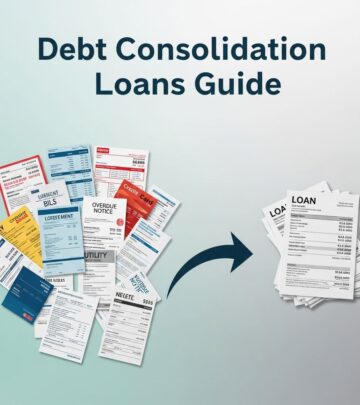
Payday loan consolidation offers a way to replace multiple high-cost loans with a more affordable and manageable repayment plan, helping you regain control of your finances.
What Is Payday Loan Consolidation?
Payday loan consolidation generally means combining several payday loans into a single, more affordable repayment arrangement. In most cases, this involves taking out a new personal loan or working with a reputable nonprofit credit counseling agency to manage your debts.
Key goals of consolidation include:
- Reducing your overall interest rate and fees compared with payday loans.
- Stretching repayment over months or years, not just your next paycheck.
- Replacing multiple due dates with one predictable monthly payment.
- Helping you avoid rollovers and repeat borrowing that increase total costs.
Unlike payday loans, which often carry annual percentage rates (APRs) around 300%–400% or more, typical personal loan APRs for qualified borrowers are much lower and are regulated by state and federal laws.
How Payday Loan Consolidation Works
Although specific programs differ, most payday loan consolidation methods follow a similar structure:
- You take out a new loan (often a personal loan) or enter into a debt management plan through a nonprofit organization.
- You use the new loan funds (or let the counselor) to pay off your existing payday lenders.
- You make one regular payment each month to the new lender or to the counseling agency until the balance is paid off.
The main benefit is cost: payday loans typically have much higher APRs than installment loans and are due in a lump sum, often on your next payday, which makes them hard to repay without reborrowing. A structured installment plan at a lower rate is generally easier to manage and cheaper over time.
Common Options for Consolidating Payday Loans
There is no single “best” way to consolidate payday loans for everyone. Your credit score, income, and overall debt situation determine which options are realistic and affordable.
| Option | How It Works | Main Advantages | Main Drawbacks |
|---|---|---|---|
| Personal loan (bank, credit union, or online lender) | Borrow a fixed amount to pay off payday loans; repay in monthly installments. | Lower APR than payday loans; predictable payments; longer term. | Requires sufficient income and at least fair credit; fees possible. |
| Credit union Payday Alternative Loan (PAL) | Small-dollar loan offered by federal credit unions as an alternative to payday loans. | APR capped at 28%; regulated terms; more consumer protections. | Must be a credit union member; smaller loan limits. |
| Nonprofit credit counseling & Debt Management Plan (DMP) | Counselor negotiates with creditors and combines unsecured debts into one payment. | Guidance from certified counselors; may reduce fees or rates; no new loan required. | May require closing credit accounts; program fees; takes several years. |
| Debt settlement | Attempt to negotiate lump-sum payoffs below the full balance owed. | Can reduce total amount repaid if settlements succeed. | Damages credit; may incur fees and tax consequences; results not guaranteed. |
| Bankruptcy | Legal process to discharge or restructure unsecured debts, including payday loans, in serious hardship. | May eliminate large amounts of debt; provides legal protections. | Severe and long-lasting credit impact; court process and legal costs. |
Step-by-Step Guide to Consolidating Payday Loans
1. List and Total Your Payday Loan Debts
Start by creating a complete picture of your payday loan obligations.
- Write down each lender’s name and contact information.
- Record the outstanding balance, fees, and current APR (if disclosed).
- Note the next due date and the payment amount for each loan.
Add everything up to get your total payday loan balance. Many personal loans have minimum amounts (often around $1,000), so knowing your total helps you see whether a consolidation loan is practical.
2. Review Your Budget and Ability to Repay
Consolidation only helps if your new monthly payment fits your budget. Before applying, review your income and essential expenses to determine how much you can realistically afford to pay each month.
- Compare your net income (after taxes) to your regular expenses (housing, utilities, food, transportation).
- Identify areas where you can temporarily cut discretionary spending to free up cash for debt repayment.
- Estimate a comfortable but committed monthly payment amount toward the new loan or plan.
3. Compare Consolidation Options and Lenders
Once you know how much you owe and what you can pay, explore the consolidation options available to you.
- Check with your local credit union for personal loans or Payday Alternative Loans, which are regulated to protect borrowers.
- Compare offers from several banks and online lenders that provide personal loans for debt consolidation.
- Contact a nonprofit credit counseling agency accredited by a national organization if your credit score is low or you can’t qualify for an affordable loan.
When comparing, focus on:
- APR (interest rate plus fees)
- Loan term (number of months or years to repay)
- Monthly payment amount
- Any origination fees, prepayment penalties, or service charges
Prequalifying with multiple lenders using a soft credit check can help you find better terms without significantly affecting your credit score.
4. Apply for the Best-Fit Solution
After comparing offers or speaking with a counselor, choose the solution that provides the best balance of affordability, total cost, and timeline.
- Complete the full loan application if you choose a personal loan, providing income verification, identification, and bank information as requested.
- If working with a credit counselor, provide detailed information about all your debts so they can design an appropriate Debt Management Plan.
Approval and funding for personal loans can be relatively fast, sometimes in as little as one to a few business days after final approval.
5. Pay Off Your Payday Lenders
Once you receive funds or your counselor sets up the program, the next step is to eliminate the payday loans themselves.
- Use the new loan proceeds to pay each payday lender in full as quickly as possible.
- Request written confirmation or a statement showing a zero balance for each paid account.
- If on a DMP, confirm how and when the counseling agency will begin payments to your lenders.
After this point, your focus shifts from juggling multiple high-cost loans to maintaining one structured payment.
6. Commit to Your New Repayment Plan
Consistency is crucial for successful consolidation and for rebuilding your financial stability.
- Set up automatic payments for your new loan or DMP to avoid missed due dates and late fees.
- Continue to avoid new payday loans; reborrowing undermines the benefits of consolidation.
- Monitor your bank account and credit reports to track progress and quickly identify any issues.
Over time, on-time payments can help improve your credit profile, particularly if you are replacing payday loans (which may not always be reported) with a mainstream installment loan or structured plan.
Risks, Pitfalls, and How to Avoid Scams
Because payday borrowers are often in distress, they can be targets for misleading or abusive “consolidation” offers. It is essential to evaluate any organization or lender carefully.
- Be wary of companies that guarantee approval or promise to eliminate your debt overnight regardless of your income or credit.
- Avoid services that ask for large upfront fees before providing any real assistance.
- Check whether the company is properly licensed in your state (for lenders) or accredited (for counseling agencies).
- Research consumer complaints and regulatory actions using official sources such as state financial regulators or the U.S. Consumer Financial Protection Bureau (CFPB).
If you suspect a scam or abusive practice, you can file a complaint with regulatory agencies, which helps oversight bodies identify problematic lenders and protect other consumers.
When Payday Loan Consolidation Makes Sense
Payday loan consolidation can be a strong strategy if:
- Your new payment will be significantly lower or more manageable than your current combined payday payments.
- The total cost of repayment (including all interest and fees) will be less than staying in the payday loan cycle.
- You have the ability and commitment to avoid new high-cost borrowing while you repay.
On the other hand, if your income is unstable or you cannot afford even a reduced monthly payment, you may need to discuss more intensive options with a nonprofit credit counselor or an attorney (such as bankruptcy or formal hardship arrangements).
Practical Tips to Avoid Returning to Payday Loans
Consolidation is only part of the solution; long-term stability requires changes in how you manage cash flow and emergencies.
- Build a small emergency savings fund over time so you are less vulnerable to unexpected expenses.
- Consider asking utility providers, landlords, or creditors for payment plans or hardship programs during tight months instead of using payday loans.
- Use available public benefits, community assistance, or nonprofit resources if you qualify, to reduce reliance on short-term, high-cost credit.
- Seek financial education or one-on-one budgeting help from nonprofit agencies to strengthen long-term money skills.
Frequently Asked Questions (FAQs)
Q: Will consolidating payday loans hurt my credit score?
A: Applying for a new personal loan usually involves a hard credit inquiry, which may cause a small, temporary dip in your score. Over time, making on-time payments on your consolidation loan or debt management plan can help improve your credit profile compared with ongoing payday borrowing.
Q: Can I consolidate payday loans with bad credit?
A: It can be harder but not impossible. Some lenders specialize in working with borrowers who have lower credit scores, typically at higher interest rates, and federal credit unions may offer Payday Alternative Loans with regulated terms. If you cannot qualify for an affordable loan, a nonprofit credit counseling agency may help you structure payments without taking on new debt.
Q: Is a debt management plan the same as a consolidation loan?
A: No. With a consolidation loan, you borrow new money to pay off existing debts. With a debt management plan, a nonprofit counseling agency collects one monthly payment from you and distributes it among your creditors under agreed terms, often with reduced fees or rates — but no new loan is issued.
Q: Are Payday Alternative Loans (PALs) a safe option?
A: PALs are small-dollar loans offered by federal credit unions under rules from the National Credit Union Administration. PAL APRs are capped at 28% and have structured terms, making them a safer and more affordable alternative to traditional payday loans for eligible members.
Q: What if I still can’t afford payments after consolidating?
A: If your income drops or expenses rise, contact your lender or counseling agency immediately to discuss hardship options. In more severe situations, speaking with a nonprofit credit counselor or a qualified attorney about bankruptcy or other legal protections may be appropriate.
References
- Payday loan consolidation: What it is and how it works — NerdWallet. 2024-03-06. https://www.nerdwallet.com/article/loans/personal-loans/payday-loan-consolidation
- Payday loan consolidation: How to get relief — Bankrate. 2023-11-15. https://www.bankrate.com/loans/personal-loans/payday-loan-consolidation/
- Payday Loan Consolidation: What Are Your Options? — SoFi Learn. 2023-08-18. https://www.sofi.com/learn/content/payday-loan-consolidation/
- What You Need to Know About Payday Loan Consolidation — Experian. 2022-05-23. https://www.experian.com/blogs/ask-experian/what-to-know-about-payday-loan-consolidation/
- Payday Loan Consolidation — Money Fit (nonprofit counseling). 2024-01-10 (accessed). https://www.moneyfit.org/payday-loan-consolidation/
Similar Articles








Read full bio of Sneha Tete