How to Come Up With $1,000 in the Next 30 Days
Practical strategies to generate $1,000 quickly by selling items, cutting costs, and boosting income in just 30 days.
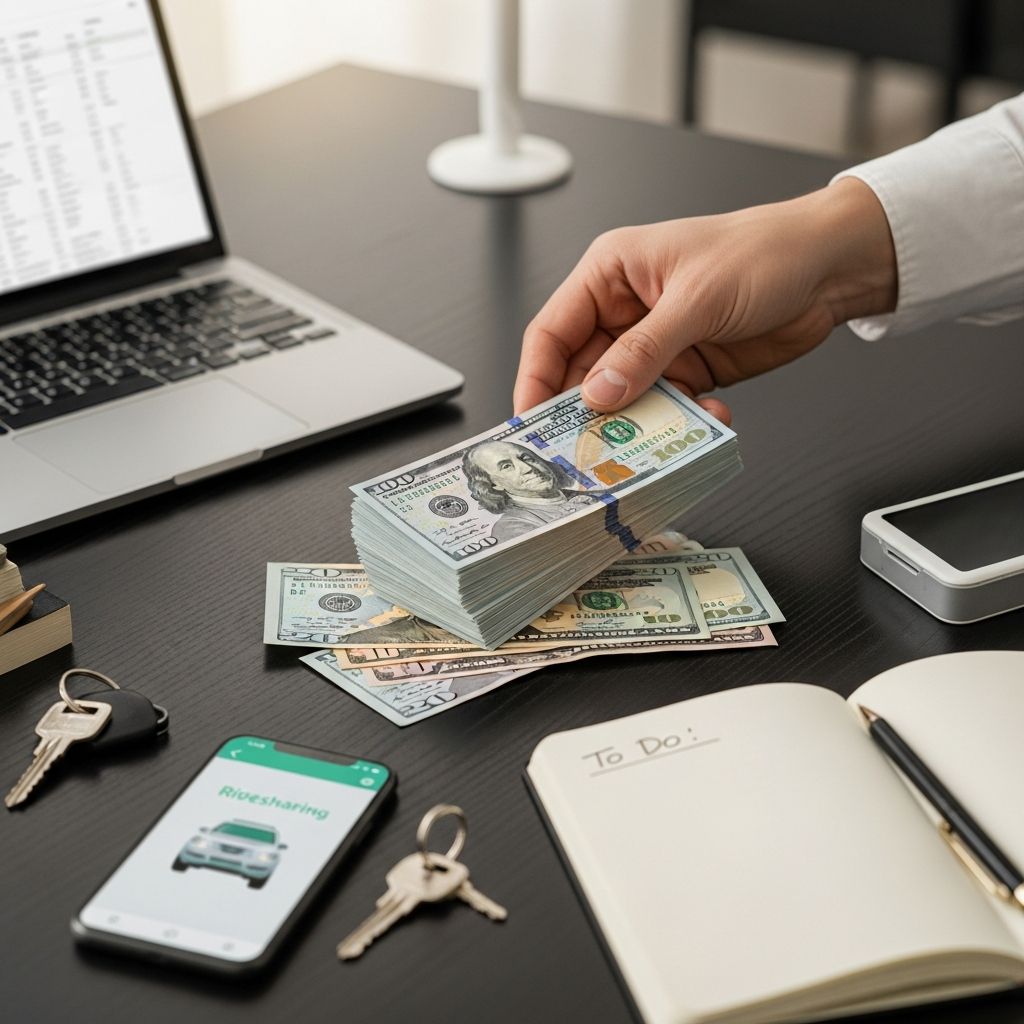
A few years ago, I faced a personal challenge: I had moved into a new home with the perfect spot for a flat-screen TV, but no TV to fill it. Football season was approaching, and I wanted to enjoy the games in style. I made a deal with myself—I could buy the TV, a luxury item, only if I generated the cash first without disrupting my regular budget. The goal? $1,000 in 30 days. This article shares the exact strategies I used, combining income generation and expense cuts, to hit that target and walk into the store with cash in hand.
Tracking Your Progress
Success starts with visibility. To stay motivated, I used a simple envelope system. I labeled an envelope “TV Fund” and kept all earnings inside, updating the total on the outside with a marker each time I added money. This tactile method provided instant gratification—watching the number grow from $0 to $1,000 built momentum. (See also: A Comprehensive Guide to the Envelope System for more on this budgeting technique.)
Digital alternatives work too: apps like Goodbudget or Mint let you create a dedicated savings category. The key is daily check-ins to celebrate progress and adjust tactics if you’re falling short.
Two Core Approaches: Earn More or Spend Less
There are two primary paths to $1,000: make extra money or cut expenses. Relying on one alone might not suffice in 30 days, so I combined both. Earning brought in the bulk (~$800), while cuts added ~$200. Whether you’re saving for holidays, debt payoff, or emergencies, this dual strategy maximizes speed.
Make Extra Money: Sell Your Stuff
The fastest way to cash? Declutter and sell. I generated about $800 by offloading unused items through multiple channels. Here’s how:
- Garage Sale: I hosted one weekend event, pricing items low for quick turnover. Sold patio furniture ($150), a bunk bed kids outgrew ($200), clothes, books, and kitchen gadgets for a total of $300. Tip: Advertise on social media and Nextdoor for more traffic.
- eBay for Collectibles: Niche items like rare coins or vintage toys fetched premium prices online. I netted $150 after fees by photographing well and writing detailed listings.
- Craigslist/Facebook Marketplace for Bulky Items: Local sales avoided shipping. A rototiller ($100), ladder ($50), and tools ($100) went fast to nearby buyers. Meet in public for safety.
Inventory your home: closets, garage, attic. Aim for $10–$500 per item. Platforms like OfferUp or Poshmark expand options for clothes and electronics. People buy anything—dusty wedding gifts, old bikes, unused gym equipment.
Return Unused Purchases
Check receipts and tags. I returned unopened home improvement fixtures ($100), new clothes ($75), and gadgets never used ($50). Stores like Home Depot or Amazon often extend return windows. This “found money” requires zero effort beyond a trip to the store.
Collect Loose Change
Don’t overlook pennies. I emptied my change jar ($50), car console ($15), and couch cushions ($10), then deposited at my credit union for $75 in bills. Use coin-sorting machines at grocery stores for speed.
Other Quick Cash Ideas
- Recycle: Aluminum cans, bottles—earn $20–$50/week.
- Plasma Donation: Up to $400/month at centers like CSL Plasma (check eligibility).
- Surveys/Apps: Swagbucks or InboxDollars for $50–$100, though low-effort.
- Odd Jobs: Mow lawns, babysit via Care.com ($20/hour).
- Rent Assets: Tools or parking spot on Neighbor.com.
Table of Potential Earnings:
| Method | Estimated Earnings | Time Investment |
|---|---|---|
| Garage Sale | $200–$500 | 1–2 days |
| Online Sales | $100–$300 | 5–10 hours |
| Returns | $50–$200 | 2–4 hours |
| Change/Recycle | $50–$100 | 1 hour |
| Side Gigs | $200–$400 | 10–20 hours |
Cut Expenses: Slash Your Budget Ruthlessly
For 30 days, treat spending like a game of survival. I saved $200 by hyper-focusing on food and subscriptions. Small cuts compound.
Cancel or Pause Recurring Bills
- Cable/Satellite TV: Downgrade or pause for $50–$100/month. Stream free trials instead.
- Gym Membership: Freeze for $30–$60. Run outside or use YouTube workouts.
- Subscriptions: Netflix, newspapers—audit and pause ($20–$50).
Call providers today; many allow temporary holds.
Use What You Have (No-Buy Challenge)
Exhausted supplies? Substitute:
- Cleaning products → Vinegar/baking soda.
- Paper towels → Rags.
- Body wash → Bar soap.
- Takeout → Packed lunches (saved me $150).
I cooked bulk meals, avoiding restaurants entirely. Result: $200 saved.
Potential 30-Day Savings Table
| Category | Monthly Cut | 30-Day Savings |
|---|---|---|
| Dining Out | $5/day | $150 |
| Subscriptions | Various | $100 |
| Groceries/Substitutes | $2/day | $60 |
| Entertainment | Free alternatives | $50 |
Real Results and Motivation
By day 30, my envelope hit $1,000+. Walking into the electronics store, paying cash felt empowering—no debt, pure achievement. This method scales: adjust for $500 or $2,000. Track weekly ($250 milestones) to stay on pace.
Frequently Asked Questions (FAQs)
What if I can’t sell $800 worth of stuff?
Focus on high-value items first. If inventory is low, pivot to gigs like TaskRabbit or Uber for $20+/hour.
Is the envelope system still relevant?
Yes—it’s psychological. Apps work, but physical cash curbs impulse spending.
How do I avoid burnout in 30 days?
Batch tasks: one sales day, one deep clean. Reward non-spending milestones.
Can families do this?
Absolutely—involve kids in sales for fun. Cut family dining proportionally.
What about taxes on side earnings?
Under $600/gig often no 1099, but track for accuracy. Consult IRS guidelines.
Final Thoughts
$1,000 in 30 days is achievable with discipline. Start today: list 10 sellable items, call one biller, empty change. Your envelope awaits.
References
- Consumer Expenditure Survey — U.S. Bureau of Labor Statistics. 2024-09-10. https://www.bls.gov/cex/
- Personal Saving Rate — Federal Reserve Economic Data (FRED). 2025-12-01. https://fred.stlouisfed.org/series/PSAVERT
- Side Hustle Statistics — Upwork Research Institute. 2024-06-15. https://www.upwork.com/research/side-hustle-statistics
- Household Debt and Credit Report — Federal Reserve Bank of New York. 2025-11-01. https://www.newyorkfed.org/microeconomics/hhdc.html
- Envelope Budgeting Guide — NerdWallet (citing Dave Ramsey principles). 2024-03-20. https://www.nerdwallet.com/article/finance/envelope-system
Similar Articles








Read full bio of medha deb