How to Clean Everything With Just 3 All-Natural Cleaners
Discover how vinegar, baking soda, and castile soap can tackle every cleaning task in your home naturally and effectively.
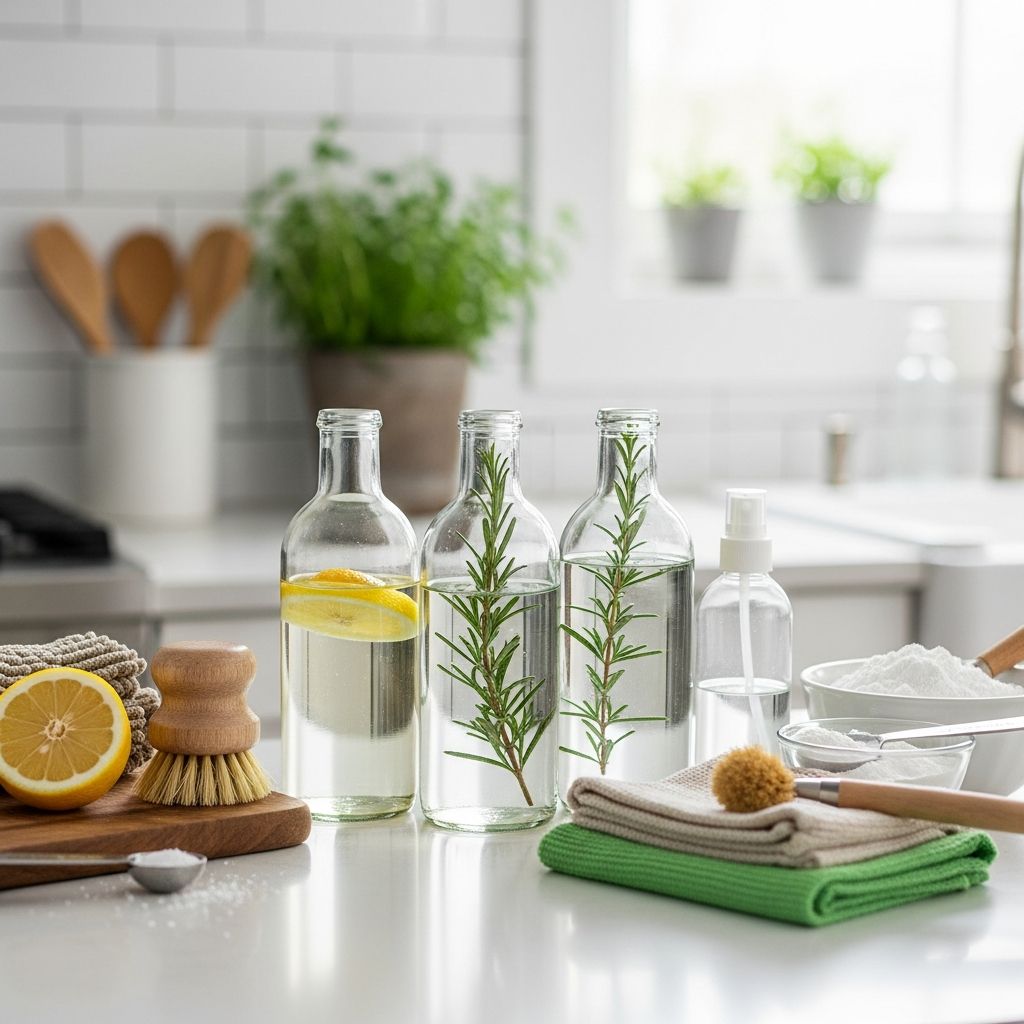
Imagine decluttering your cleaning cabinet down to just
three powerhouse ingredients
: white vinegar,baking soda
, andcastile soap
. These everyday staples harness natural antimicrobial properties, gentle abrasives, and powerful surfactants to tackle grime, stains, and germs without harsh chemicals. White vinegar’s 4-7% acetic acid dissolves mineral deposits and kills bacteria, while baking soda neutralizes odors and scrubs tough buildup, and plant-based castile soap cuts grease safely for people and pets. This trio is affordable, eco-friendly, and versatile enough to clean your entire home—from kitchen counters to bathroom tiles.Switching to all-natural cleaners reduces exposure to irritants like ammonia and bleach, which can harm respiratory health, while minimizing plastic waste from bottles. Studies from the Environmental Working Group confirm plant-based formulas like these earn top safety ratings. Ready to simplify your routine? Below, we break down uses by ingredient, room, and specific challenges.
The Magic Trio: Your All-Natural Cleaning Arsenal
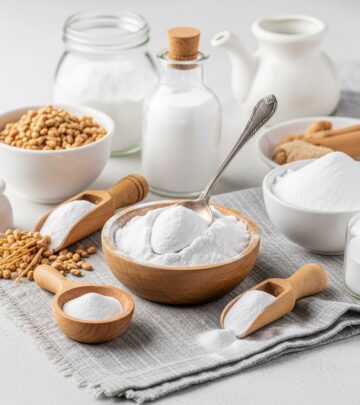
Stock up on distilled white vinegar (5% acidity ideal for cleaning), pure baking soda (sodium bicarbonate), and unscented castile soap (like Dr. Bronner’s, made from vegetable oils). Mix them into sprays, pastes, or scrubs as needed—no fancy equipment required. Always test on inconspicuous spots first, especially on natural stone.
1. White Vinegar: The Ultimate Degreaser and Disinfectant
Vinegar shines against soap scum, hard water stains, and bacteria thanks to its acidity. Dilute 1:1 with water for all-purpose spray; use full-strength for heavy jobs. Infuse with citrus peels for extra grease-cutting power: steep lemon/orange rinds in vinegar for two weeks, strain, and dilute.
- Kitchen counters and appliances: Spray, let sit 5 minutes, wipe. Cuts grease without residue.
- Glass and windows: 1:1 vinegar-water in spray bottle; streak-free shine.
- Microwave: Simmer 1 cup vinegar-water inside for 5 minutes to loosen splatters, then wipe.
- Coffee makers: Run through brew cycle with 1 cup vinegar, rinse twice.
- Dishwasher: 1 cup in rinse cycle removes buildup.
2. Baking Soda: Abrasive Scrubber and Odor Neutralizer
Baking soda’s mild abrasiveness polishes without scratching, and it absorbs odors from bacteria or mildew. Form pastes with water or vinegar for targeted cleaning; sprinkle dry for absorption.
- Sinks and tubs: Paste scrubs stains; add vinegar for fizzing action that lifts grime.
- Stovetops: Sprinkle, spray vinegar, scrub gently.
- Refrigerator: Open box absorbs smells; wipe shelves with baking soda solution.
- Silverware: Line bowl with foil, add baking soda and hot water—tarnish transfers magically.
Baking Soda Cleaning Guide
- Pet (or Other) Stains on Carpet: Blot excess, sprinkle baking soda generously, let sit overnight, vacuum. Neutralizes urine odors deeply.
- Stinky Couches (and Other Places): Sprinkle liberally, wait hours or overnight, vacuum. Repeat for musty fabrics.
- Stovetop: Make paste with water, apply, let sit 15 minutes, scrub, rinse.
- Oven: Spray vinegar, sprinkle baking soda, let foam 10-20 minutes, wipe clean. No harsh fumes.
- Tile Grout: Paste with hydrogen peroxide or vinegar; toothbrush-scrub for whitening.
Vinegar Cleaning Guide
- In Your Kitchen: All counters, sinks, appliances as noted. Also, descale kettles by boiling with vinegar.
- Bathroom Fixtures: Full-strength on faucets/showers dissolves limescale; flush toilets with 2 cups overnight.
- Floors: 1 cup vinegar per gallon hot water; mops hardwood, tile safely (no wax buildup).
- Laundry: 1 cup white vinegar in rinse cycle softens fabrics, removes residue.
- Clothes Iron: Fill reservoir with vinegar, steam out minerals.
Castile Soap Cleaning Guide
- Multipurpose Spray: 1/4 cup soap in 1 quart water; add essential oils. Great for counters, floors.
- Laundry Detergent: 1/4 cup per load; boosts with vinegar rinse.
- Dishes: Few drops in sink; cuts grease without drying skin.
- Produce Wash: Dilute solution rinses pesticides safely.
- Pet Grooming: Ultra-diluted for baths—gentle, no tears.
Bonus Combinations: Powerhouse Mixtures
These ingredients supercharge each other. Vinegar + baking soda creates a fizzing reaction that loosens stuck-on messes; castile adds suds for greasy areas.
| Mixture | Use | Recipe | Application |
|---|---|---|---|
| Vinegar-Baking Soda Paste | Tubs, sinks, ovens | 3:1 baking soda:vinegar | Apply thick, let foam 10 min, scrub |
| Castile All-Purpose Spray | Wood, counters | 1 tbsp soap + 1 tsp vinegar in 1 qt water | Spray, wipe |
| Glass Cleaner | Windows, mirrors | Equal vinegar-water + dash castile | No streaks |
| Floor Mop | All floors | 2 tbsp castile + 1/2 cup vinegar/gallon water | Mop, no rinse |
Room-by-Room Cleaning Mastery
Kitchen
Grease and spills? Vinegar degreases, baking soda polishes, castile washes. Spray vinegar on range hoods; scrub drawers with baking soda paste.
Bathroom
Tackle mildew with baking soda paste on grout, vinegar on showerheads (soak in bag overnight), castile for gentle floor cleaning.
Living Areas
Vacuum baking soda into carpets/rugs for freshness; spot-clean upholstery with castile solution.
Laundry Room
Castile for detergent, vinegar for softener, baking soda boosts whites.
Frequently Asked Questions (FAQs)
Q: Do all-natural cleaners really kill germs?
A: Yes, vinegar’s acetic acid and castile’s surfactants have antimicrobial effects, though for disinfection, let sit 10+ minutes. EPA Safer Choice products like these match many conventional cleaners.
Q: Can I use these on wood furniture?
A: Dilute heavily—1 tsp castile/vinegar per cup water. Test first; avoid on waxed surfaces.
Q: What’s the best ratio for all-purpose cleaner?
A: Mix 1 tbsp castile soap, 1 cup vinegar, fill quart with water. Shake well.
Q: How do I store these mixtures?
A: Fresh batches last weeks in spray bottles. Baking soda stays dry in pantry.
Q: Are they safe for septic systems?
A: Absolutely—biodegradable and non-toxic, unlike many chemical cleaners.
Why Go Natural? Health and Savings
Beyond efficacy, these cleaners avoid VOCs, phthalates, and parabens linked to health issues. A year’s supply costs under $20 versus $100+ for brands. EPA-verified options like castile confirm safety and performance. Embrace simplicity: fewer bottles, cleaner planet, sparkling home.
References
- Do All-Natural Cleaners Work and Actually Kill Germs? — Green Matters. 2023-06-15. https://www.greenmatters.com/p/all-natural-cleaners-germs
- 5 Best Natural Cleaning Products 2024, Tested By Cleaning Experts — Women’s Health Magazine. 2024-01-10. https://www.womenshealthmag.com/life/g28261359/natural-cleaning-products/
Similar Articles








Read full bio of medha deb