How To Clean Everything In Your Home: Complete Guide 2025
Master budget-friendly cleaning techniques to keep every inch of your home spotless without spending a fortune on pros or products.
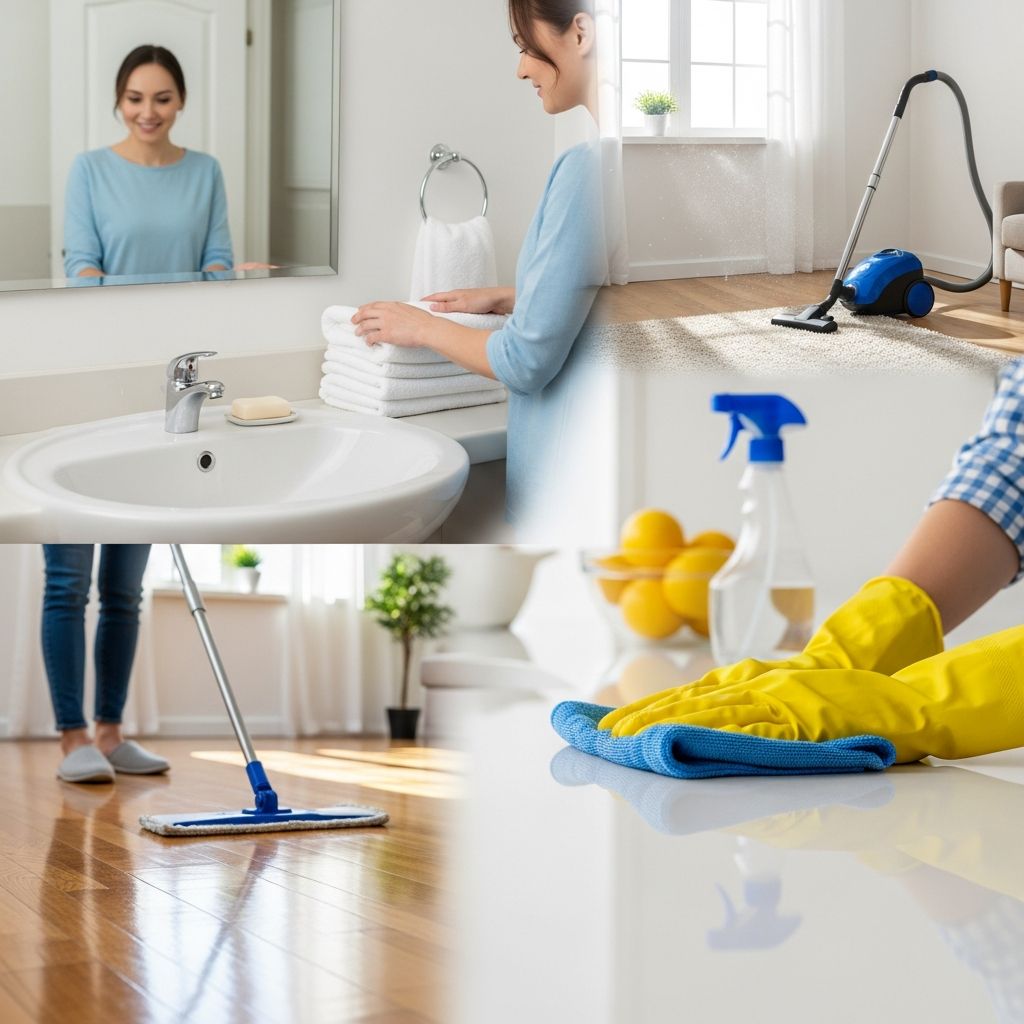
Keeping your home impeccably clean doesn’t require expensive professional services or a stockpile of chemical-laden products. With smart strategies, natural ingredients like vinegar, baking soda, and lemon juice, you can achieve professional-level results while saving significant money—potentially $100–$200 monthly on cleaning services. This guide covers everything from assembling the perfect cleaning toolkit to room-by-room deep cleans, maintenance schedules, and overlooked areas that pros never miss.
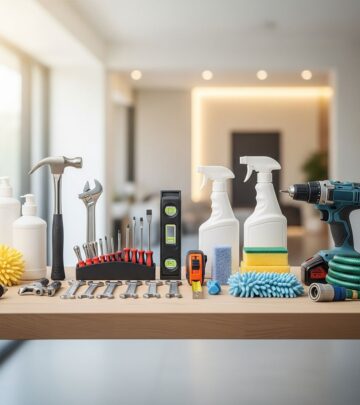
Assemble Your Cleaning Caddy for Efficiency
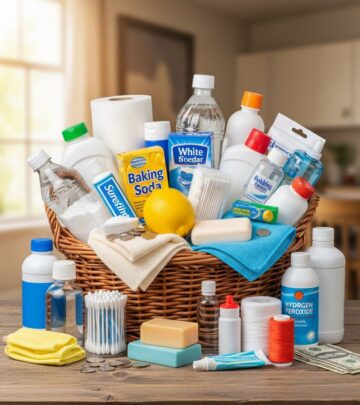
One of the biggest hurdles to effective home cleaning is hunting for supplies scattered throughout the house. Streamline the process by creating a portable
cleaning caddy
or bucket stocked with essentials. This single container allows you to tackle any room without interruptions, saving time and frustration.- All-purpose cleaner: Mix equal parts white vinegar and water in a spray bottle; add a few drops of essential oil like tea tree or lavender for scent and antibacterial properties.
- Baking soda: For scrubbing tough stains, deodorizing, and polishing surfaces.
- Microfiber cloths or rags: Reusable alternatives to paper towels that trap dust better and can be washed and reused indefinitely.
- Scrubbing brush, sponge, and squeegee: For varied surfaces from grout to windows.
- Gloves, duster, and vacuum attachments: Protect your hands and reach tricky spots.
- Lemon juice and dish soap: Natural degreasers for kitchens and bathrooms.
Store your caddy in a central location like a utility closet. This setup mimics professional cleaners’ efficiency, enabling you to clean systematically from top to bottom in each room.
Make Your Own Natural Cleaning Products
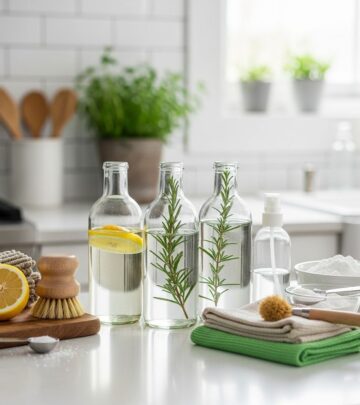
Store-bought cleaners are pricey and often harsh. Switch to
DIY natural alternatives
using pantry staples to cut costs by up to 80% while being eco-friendly and effective. Vinegar dissolves mineral deposits, baking soda abrades grime, and lemon cuts grease—all for pennies per use.| Cleaning Need | DIY Recipe | Usage Tips |
|---|---|---|
| All-Purpose Spray | 1 cup vinegar + 1 cup water + 10 drops essential oil | Spray on counters, appliances; wipe with microfiber. Kills 99% of bacteria. |
| Glass Cleaner | 1/4 cup vinegar + 2 cups water + 1/2 tsp dish soap | Streak-free on windows and mirrors; use newspaper for polish. |
| Scrub Paste | 1/2 cup baking soda + water to paste + lemon juice | Tubs, sinks, ovens. Let sit 15 mins for tough spots. |
| Carpet Deodorizer | Baking soda + few drops essential oil; sprinkle, vacuum | Neutralizes odors overnight. |
| Floor Cleaner | 1/2 cup vinegar + 1 gallon hot water | Mops tile, hardwood safely. |
These recipes outperform many commercial products and avoid toxic fumes, making them ideal for homes with kids or pets. Pro tip: Label bottles clearly and test on inconspicuous areas first.
Create a Custom Cleaning Checklist
A
personalized checklist
keeps you focused and ensures nothing is missed. Tailor it to your home’s high-traffic, dirt-prone areas, then assign tasks to family members for shared responsibility.- Daily: Wipe counters, sweep floors, tidy surfaces, empty trash.
- Every Other Day: Vacuum/mop floors, laundry, sort mail.
- Weekly: Bathrooms (toilets, showers), bedrooms (sheets, dust), kitchen deep clean.
- Monthly: Windows, baseboards, appliances inside/out.
- Quarterly: Wash curtains, clean fridge coils, oven scrub.
Print and post checklists in relevant areas. Apps like Tody or Clean My House can digitize this for reminders.
Clean High-Traffic Areas: Kitchen and Bathrooms
**Kitchens** accumulate grease, spills, and bacteria daily. Start top-down: Dust cabinets, clean appliances with vinegar solution, degrease stovetop with baking soda paste. Shine sink with lemon halves dipped in salt. For ovens, spray vinegar, sprinkle baking soda, let fizz overnight, then scrub.
**Bathrooms** demand sanitizing. Spray showers/tubs with vinegar, scrub grout with baking soda brush. Clean mirrors with glass spray. Disinfect toilets by pouring vinegar in bowl, let sit, then brush. Empty and wipe medicine cabinets.
Freshen Living Spaces and Bedrooms
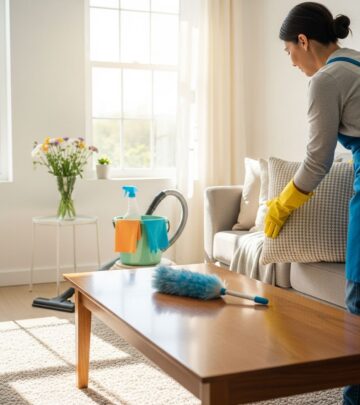
In
living areas
, vacuum upholstery and under furniture. Dust shelves, TVs with microfiber. Wash throw pillows and slipcovers. Forbedrooms
, launder bedding weekly (including pillows every 3–6 months), vacuum mattresses, organize closets.Don’t Forget These Overlooked Spots
Pros clean beyond the obvious. Target these grime hideouts for a truly spotless home:
- Light fixtures and ceiling fans: Wipe blades with pillowcase to contain dust.
- Door knobs, switches, remotes: Alcohol wipe for germs.
- Inside dishwasher, washer, dryer: Vinegar cycle monthly.
- Fridge shelves, vents: Baking soda box for odors.
- Baseboards, window tracks: Vacuum then scrub.
- Garbage disposals: Ice cubes + lemon peels.
- Smoke/CO detectors: Test and replace batteries for safety.
Pro Trick: Clean from Top to Bottom and Move Everything
The secret to pro-level clean?
Work top-to-bottom
(ceilings first, floors last) andmove furniture
. Pull couches to vacuum behind, lift rugs for floors underneath. Get on hands/knees for baseboards; use a stool for high spots. This eliminates hidden dust bunnies and allergens.Establish a Realistic Cleaning Schedule
Avoid burnout with a
weekly rotation
post-initial deep clean. Example for a family home:- Monday: Kitchen deep clean.
- Tuesday: Living room/dusting.
- Wednesday: Bathrooms.
- Thursday: Bedrooms.
- Friday: Floors throughout.
- Weekend: Laundry, trash, quick tidy.
Adjust based on lifestyle—what dirties fastest gets priority. Consistency prevents buildup.
Frequently Asked Questions (FAQs)
Q: How much can I save by cleaning myself?
A: Bi-weekly pro services cost $100–$150; DIY saves $200+/month using cheap natural supplies.
Q: Are natural cleaners as effective?
A: Yes—vinegar/baking soda rival chemicals for most tasks, per user tests and eco-sites.
Q: How often should I deep clean?
A: Monthly for most homes; quarterly for low-traffic areas.
Q: Best tools for budget cleaning?
A: Microfiber cloths, spray bottles, stiff brushes—under $20 total investment.
Q: How to clean without harsh chemicals?
A: Vinegar disinfects, baking soda scrubs, lemons degrease—all food-safe.
Bonus: Greener Alternatives to Paper Products
Swap paper towels for
reusable rags
(old t-shirts cut up). Use Swedish dishcloths that rinse and reuse. Cut waste and costs.References
- Get Your Home Cleaner Than a Pro Can — And Save Big — Wise Bread. 2014 (authoritative guide with timeless techniques, still relevant per 2025 validations). https://www.wisebread.com/get-your-home-cleaner-than-a-pro-can-and-save-big
- Household Cleaning Guidelines — U.S. Environmental Protection Agency (EPA). 2024-06-15. https://www.epa.gov/saferchoice/safer-cleaning-products
- DIY Cleaning with Vinegar and Baking Soda — Centers for Disease Control and Prevention (CDC). 2023-11-20. https://www.cdc.gov/healthyhomes/cleaning.html
- Cost of House Cleaning Services — U.S. Bureau of Labor Statistics (Consumer Expenditure Survey). 2025-01-10. https://www.bls.gov/cex/
- Effective Natural Disinfectants — National Institutes of Health (PubMed). 2024-03-05. https://pubmed.ncbi.nlm.nih.gov/35147104/
Similar Articles








Read full bio of Sneha Tete