How to Choose the Right Insurance for Your Pet
Learn how to compare pet insurance plans, coverage, and costs so you can confidently protect your pet and your wallet.

Unexpected vet bills can be financially overwhelming, especially if your pet needs emergency surgery, hospitalization, or long-term treatment for a chronic illness. Choosing the right pet insurance policy helps you manage these expenses while ensuring your dog or cat can access timely, quality care.
This guide explains how pet insurance works, the main types of coverage, what to compare between plans, and practical steps to find a policy that fits both your pet’s needs and your budget.
What Is Pet Insurance and How Does It Work?
Pet insurance is a health insurance policy for your pet that reimburses you for covered veterinary costs if your animal becomes sick or injured. Unlike human health insurance, you typically pay the vet bill up front and then submit a claim to your insurer for reimbursement.
Most plans involve three core elements:
- Premium – the amount you pay, usually monthly, to keep coverage active.
- Deductible – the amount you must pay out of pocket each year (or per condition) before reimbursement begins.
- Reimbursement rate – the percentage of eligible costs the insurer pays after you meet your deductible, often between 70% and 90%.
Policies may also have coverage limits, such as an annual maximum payout or per-incident caps, which determine how much the insurer will reimburse in a given period.
Why Consider Pet Insurance?
Veterinary care has become more advanced and more expensive, mirroring trends in human medicine. Treatments such as surgery, imaging (like MRI or CT scans), and long-term medication for chronic conditions can cost hundreds or thousands of dollars per incident.
Pet insurance can help you:
- Reduce financial stress during emergencies by offsetting large, unexpected vet bills.
- Access better treatment options instead of being limited solely by your current savings.
- Plan ahead for predictable monthly costs instead of unpredictable large expenses.
However, because pre-existing conditions are generally excluded and coverage rules vary, it is important to understand what each policy does and does not cover before you buy.
Main Types of Pet Insurance Coverage
Policies typically fall into three broad categories, with some providers offering add-ons for extra protection.
Accident-Only Coverage
Accident-only plans cover veterinary costs related to sudden injuries, such as:
- Fractures and broken bones
- Bite wounds
- Poisoning or toxin ingestion
- Car accidents and other traumatic events
These policies are usually the least expensive but do not cover illnesses like infections, cancer, or diabetes.
Accident and Illness Coverage
Accident and illness plans are the most common type of pet insurance and generally cover:
- Accidents and injuries
- Short-term illnesses (e.g., vomiting, diarrhea, infections)
- Serious diseases (e.g., cancer, heart disease)
- Many hereditary and congenital conditions (if not pre-existing)
- Chronic conditions requiring long-term management
Coverage details vary by insurer, so you should confirm whether hereditary conditions, behavioral problems, or dental illness are included.
Wellness and Preventive Care Add-ons
Wellness or preventive plans are often optional add-ons that reimburse routine care, such as:
- Annual exams and health checks
- Vaccinations
- Flea, tick, and heartworm prevention
- Routine bloodwork and screening tests
- Spay/neuter procedures and dental cleanings (in some plans)
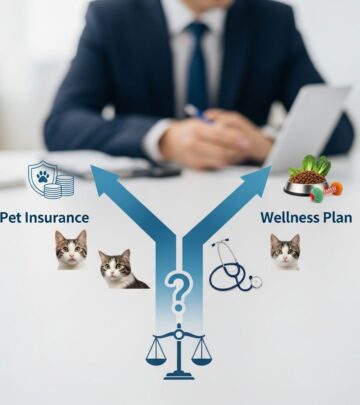
While wellness coverage can help spread routine costs over the year, it is different from insurance for unexpected accidents and illnesses and may not always save money compared with paying directly out of pocket.
What Does Pet Insurance Typically Cover?
Exact coverage depends on the provider and policy, but comprehensive accident-and-illness plans often include:
- Emergency and specialist visits
- Hospitalization and surgery
- Diagnostic tests (X-rays, ultrasound, blood tests, etc.)
- Prescription medications
- Cancer treatments and other advanced therapies
- Many chronic conditions, such as arthritis or allergies
More robust policies may also cover:
- Hereditary and congenital disorders
- Behavioral issues under veterinary guidance
- Alternative therapies (acupuncture, physiotherapy), if specified
Common Exclusions and Limitations
All pet insurance policies have exclusions and limitations, so you need to read the terms carefully.
- Pre-existing conditions – illnesses or injuries that occurred or showed signs before enrollment or during waiting periods are usually not covered.
- Waiting periods – coverage typically starts after a set number of days for accidents and longer for illnesses; some conditions like cruciate ligament injuries may have extended waiting periods.
- Age limits – some insurers restrict new enrollment for very old pets or adjust coverage options as pets age.
- Breed-specific exclusions – certain breeds may be excluded from coverage for particular hereditary problems.
- Non-veterinary costs – grooming, boarding, and most non-medical costs are usually excluded.
It is important to compare how each insurer defines pre-existing conditions, as these definitions affect long-term coverage for chronic diseases.
Key Cost Factors in Pet Insurance
Several variables influence how much you will pay for pet insurance.
| Factor | How It Affects Cost |
|---|---|
| Pet’s age | Older pets usually cost more to insure and may have more limited options. |
| Breed | Breeds prone to health problems (e.g., hip dysplasia, heart disease) often have higher premiums. |
| Location | Vet care costs vary by region; higher-cost areas typically mean higher premiums. |
| Coverage level | More comprehensive benefits and higher coverage limits raise the price. |
| Deductible & reimbursement | Higher deductibles and lower reimbursement percentages generally reduce premiums. |
When comparing quotes, make sure you are looking at similar deductibles, reimbursement rates, and annual limits so you can accurately evaluate cost differences between policies.
Important Policy Features to Compare
Before choosing a plan, look beyond the monthly price and review these core features.
Coverage Limits
Policies may include:
- Annual maximum – the total amount the insurer will pay in a policy year.
- Per-incident limit – the maximum payout for a single accident or illness.
- Lifetime limit – the total maximum the insurer will pay over your pet’s life.
Some plans offer higher or even unlimited annual coverage limits at a higher premium.
Deductibles
Deductibles can be:
- Annual – paid once per policy year, after which the insurer starts reimbursing eligible expenses.
- Per-condition – applied separately to each new condition, which can matter for pets with multiple health issues.
Choosing a higher deductible usually lowers your premium but increases your out-of-pocket cost when your pet needs care.
Reimbursement Rates
Most plans allow you to choose a reimbursement rate, such as 70%, 80%, or 90% of eligible vet bills after the deductible.
- Higher reimbursement = higher premium but lower out-of-pocket expense for claims.
- Lower reimbursement = lower premium but more cost at the time of treatment.
Waiting Periods
Waiting periods are the time between when your policy starts and when coverage becomes active.
- Accidents may have a short waiting period of a few days.
- Illnesses and certain orthopedic conditions often have longer waiting periods.
Check these carefully, especially if your pet is already showing signs of health issues, because conditions occurring during waiting periods are usually considered pre-existing.
How to Evaluate Pet Insurance Providers
Beyond policy terms, it is important to consider the reliability and service quality of the insurer.
- Claims process – How easy is it to submit claims? Are there mobile apps or online portals? What is the typical reimbursement time?
- Customer support – Are support channels available and responsive when you have questions about coverage or claims?
- Financial stability – Established, financially sound companies may be better positioned to pay large or long-term claims.
- Policy transparency – Clear policy wording and accessible sample contracts help you understand what is covered and excluded.
Independent organizations and consumer advocates often recommend comparing policies using standardized questions to identify potential gaps in coverage and customer service.
How to Compare Pet Insurance Plans Step by Step
Because there are many options, a structured approach can make comparison easier and more effective.
- Assess your pet’s risk profile
Consider your pet’s species, breed, age, lifestyle, and known health issues. For example, very active dogs may face higher accident risk, while certain breeds are predisposed to hereditary conditions.
- Decide what you want covered
Choose between accident-only or accident-and-illness plans and decide if wellness add-ons are worthwhile for your situation.
- Set a realistic budget
Determine how much you can afford in monthly premiums and how much you could pay out of pocket in an emergency. Balance the deductible, reimbursement rate, and limit accordingly.
- Gather multiple quotes
Obtain quotes from several insurers for the same coverage level, deductible, and reimbursement percentage. Use comparison tools or a simple spreadsheet to track differences in cost and benefits.
- Review exclusions and fine print
Pay close attention to pre-existing condition rules, waiting periods, and any breed- or age-related limitations.
- Ask your veterinarian for input
Veterinarians often see the practical impact of different policies and may advise on coverage that makes sense for your pet’s specific health risks.
Is Pet Insurance Worth It?
Whether pet insurance is financially worthwhile depends on factors such as your pet’s health, the cost of veterinary care in your area, and your ability to cover unexpected expenses out of pocket.
In general, pet insurance may be most beneficial if:
- Your pet is young and healthy, allowing you to lock in coverage before conditions develop.
- Your pet’s breed is prone to costly hereditary or chronic illnesses.
- You prefer predictable monthly payments over the risk of large one-time bills.
If you have substantial savings and are comfortable self-insuring, you may choose to set aside funds for future vet bills instead, but this approach does not protect against very high early-life costs or multiple serious events in a short period.
Practical Tips Before You Enroll
- Enroll your pet as early as possible to reduce issues with pre-existing conditions and to access broader coverage options.
- Read sample policies and policy summaries before buying, not just marketing descriptions.
- Check how the insurer handles premium increases as your pet ages.
- Confirm whether chronic conditions remain covered from year to year as long as you keep the policy active.
- Keep copies of all vet records and invoices to support future claims.
Frequently Asked Questions (FAQs)
Q: Does pet insurance cover pre-existing conditions?
A: No, pet insurance generally does not cover pre-existing conditions, meaning any illness or injury that occurred or showed signs before coverage began or during the waiting period. Some insurers may cover conditions that have fully resolved and remained symptom-free for a defined time, but this depends on the specific policy.
Q: Can I use any veterinarian with pet insurance?
A: Most pet insurance in the United States allows you to visit any licensed veterinarian, including emergency and specialty clinics, because reimbursement is paid to you rather than directly to the provider. Always confirm network rules in your policy documentation.
Q: When is the best time to buy pet insurance?
A: Many experts recommend enrolling pets when they are young and healthy, before chronic or hereditary conditions appear, to maximize eligibility and minimize exclusions related to pre-existing conditions.
Q: Is wellness coverage necessary?
A: Wellness add-ons can help spread the cost of routine care like exams and vaccinations over the year, but they often function more like budgeting tools than traditional insurance. Compare the annual cost of the add-on with what you typically spend on preventive care to decide whether it is worthwhile.
Q: How do I know if a plan is a good value?
A: A good-value plan offers coverage for the risks that matter most for your pet, with clear terms and fair reimbursement, at a premium you can sustain over time. Compare multiple quotes with similar deductibles, limits, and reimbursement rates, and review exclusions and customer feedback before deciding.
References
- How Do I Choose the Right Pet Insurance? — American Animal Hospital Association (AAHA). 2023-05-01. https://www.aaha.org/resources/pet-insurance/how-do-i-choose-the-right-pet-insurance/
- How to Compare Pet Insurance Plans & Find The Best Fit — Pawlicy Advisor. 2023-10-10. https://www.pawlicy.com/blog/pet-insurance-comparison/
- Questions to Consider When Purchasing Pet Insurance — California Department of Insurance. 2022-06-15. https://www.insurance.ca.gov/01-consumers/105-type/8-pet/pet-qa.cfm
- What Does Pet Insurance Cover? — NerdWallet. 2024-02-05. https://www.nerdwallet.com/insurance/pet/learn/pet-insurance-coverage
- Pet Insurance Buying Guide — Consumer Reports. 2023-08-01. https://www.consumerreports.org/money/pet-insurance/buying-guide/
Similar Articles








Read full bio of medha deb