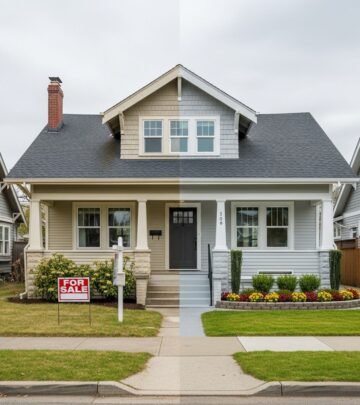
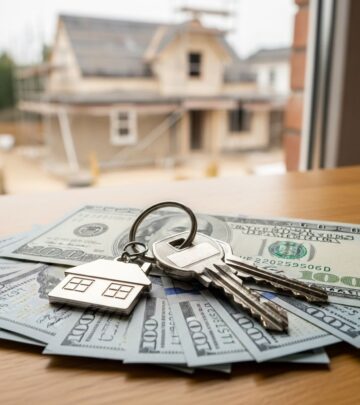
How To Choose The Right Fixer-Upper: 5-Step Expert Checklist
Expert strategies to select a profitable fixer-upper home without falling into costly money pits and renovation nightmares.

Buying a fixer-upper home offers a pathway to affordable homeownership or profitable flipping, but poor choices can lead to financial disaster. This guide synthesizes expert advice to help you identify properties with strong potential while mitigating risks like hidden structural issues and budget overruns.
Understanding Fixer-Uppers: Pros and Cons
A
fixer-upper
is a property requiring repairs or renovations to become fully livable or marketable. These homes appeal to budget-conscious buyers seeking equity through sweat equity or resale value boosts.- Pros: Lower purchase price, customization opportunities, potential for high ROI in appreciating neighborhoods.
- Cons: Unexpected repair costs, time-intensive projects, financing challenges for non-move-in-ready homes.
Success hinges on thorough due diligence; statistics show renovation costs often exceed estimates by 20-30% without proper planning.
Step 1: Prioritize Location Above All
Location trumps condition in real estate. Target neighborhoods with rising demand, good schools, walkability, and access to amenities. A structurally sound home in a declining area loses value faster than a fixer-upper in a hot market.
- Research market trends using local sales data.
- Avoid isolated spots lacking infrastructure growth.
- Check school ratings and crime stats for family appeal.
Ideal spots: Emerging suburbs near urban centers where prices lag behind improvements.
Step 2: Set a Realistic Budget
Calculate total costs: purchase price plus renovations, holding expenses, and a 10-20% contingency. Use the 70% rule for flippers: Don’t pay more than 70% of after-repair value (ARV) minus repairs.
| Budget Component | Example Costs |
|---|---|
| Purchase Price | $200,000 |
| Repairs/Renovations | $50,000-$100,000 |
| Contingency (20%) | $10,000-$20,000 |
| Holding Costs (Taxes, Utilities) | $5,000 |
| Total | $265,000-$325,000 |
Consult contractors early for accurate quotes. Overbudgeting prevents forced sales at a loss.
Step 3: Conduct Thorough Inspections
Never skip professional inspections. Focus on foundation, roof, plumbing, electrical, and HVAC systems—costly fixes that can sink projects.
- Red Flags: Cracks in foundation, water damage, outdated wiring, pest infestations.
- Green Lights: Cosmetic issues like paint, flooring, kitchens—high ROI updates.
Hire specialists for sewers, mold, and radon. Walk away from homes needing over $50,000 in structural work unless deeply discounted.
Step 4: Evaluate Renovation Scope
Classify fixes: Cosmetic (paint, fixtures), functional (appliances, bathrooms), or structural (roof, foundation). Prioritize high-ROI updates like kitchens (70-80% return) over pools (50% or less).
- Cosmetic: Quick, low-cost wins.
- Functional: Boost livability and value.
- Structural: Budget-busters; avoid unless expert-assessed.
DIY where skilled to save 30-50% on labor, but outsource complex tasks.
Step 5: Explore Financing Options
Standard mortgages balk at fixer-uppers. Specialized loans cover purchase plus repairs.
| Loan Type | Max Renovation | Down Payment | Best For |
|---|---|---|---|
| FHA 203(k) Standard | $100,000+ | 3.5% | Major rehabs |
| FHA 203(k) Streamline | $35,000 | 3.5% | Minor repairs |
| HomeStyle (Fannie Mae) | 50% of ARV | 3-5% | Flexibility |
| CHOICERenovation (Freddie Mac) | 75% of post-renovation value | 5-20% | Investors too |
These loans require HUD consultants for oversight. Cash buyers have edge but miss leverage.
Common Pitfalls to Avoid
Many fail by emotional buying or underestimating timelines (projects average 3-6 months longer).
- Overpaying relative to ARV.
- Ignoring permit costs and codes.
- Scope creep adding unbudgeted luxuries.
- Skipping market analysis.
- Not planning an exit strategy.
Tools and Resources for Success
Leverage apps for comps (Zillow, Redfin), cost calculators, and contractor networks. Join real estate investor groups for insights.
Frequently Asked Questions (FAQs)
Q: What’s the biggest risk in buying a fixer-upper?
A: Hidden structural damage leading to repair costs exceeding the home’s value. Always get multiple inspections.
Q: Can beginners flip fixer-uppers?
A: Yes, with education, partners, and small projects. Start cosmetic-only to build skills.
Q: How do I calculate after-repair value (ARV)?
A: Average recent sales of similar renovated homes in the area, adjusted for size and features.
Q: Are fixer-uppers good for first-time buyers?
A: Suitable if handy and budgeted; otherwise, opt for move-in-ready to avoid stress.
Q: What ROI can I expect?
A: 10-30% on flips with smart choices; long-term holds benefit from appreciation.
Final Tips from Experts
Walk properties multiple times, negotiate based on inspection reports, and build a team of agents, inspectors, and contractors. Patience yields profits in fixer-uppers.
References
- Rocket Mortgage: How to Find Fixer-Upper Homes — Rocket Mortgage. 2024-2025 (accessed). https://www.rocketmortgage.com/learn/fixer-upper-homes
- Fannie Mae HomeStyle Renovation Loan Guidelines — Fannie Mae Official Site. 2025. https://singlefamily.fanniemae.com/homestyle-renovation
- Freddie Mac CHOICERenovation Loan — Freddie Mac. 2025. https://sf.freddiemac.com/products/choicerenovation
- HUD FHA 203(k) Rehabilitation Mortgage Insurance Program — U.S. Department of Housing and Urban Development. 2025-01-10. https://www.hud.gov/program_offices/housing/sfh/203k
- Consumer Financial Protection Bureau: Renovation Loans — CFPB.gov. 2024-11-15. https://www.consumerfinance.gov/owning-a-home/renovation-loans/
Similar Articles








Read full bio of medha deb