How to Choose and Store Fruit for Maximum Freshness and Flavor
Master the art of selecting ripe fruits and storing them properly to enjoy peak freshness, flavor, and nutrition for longer periods.
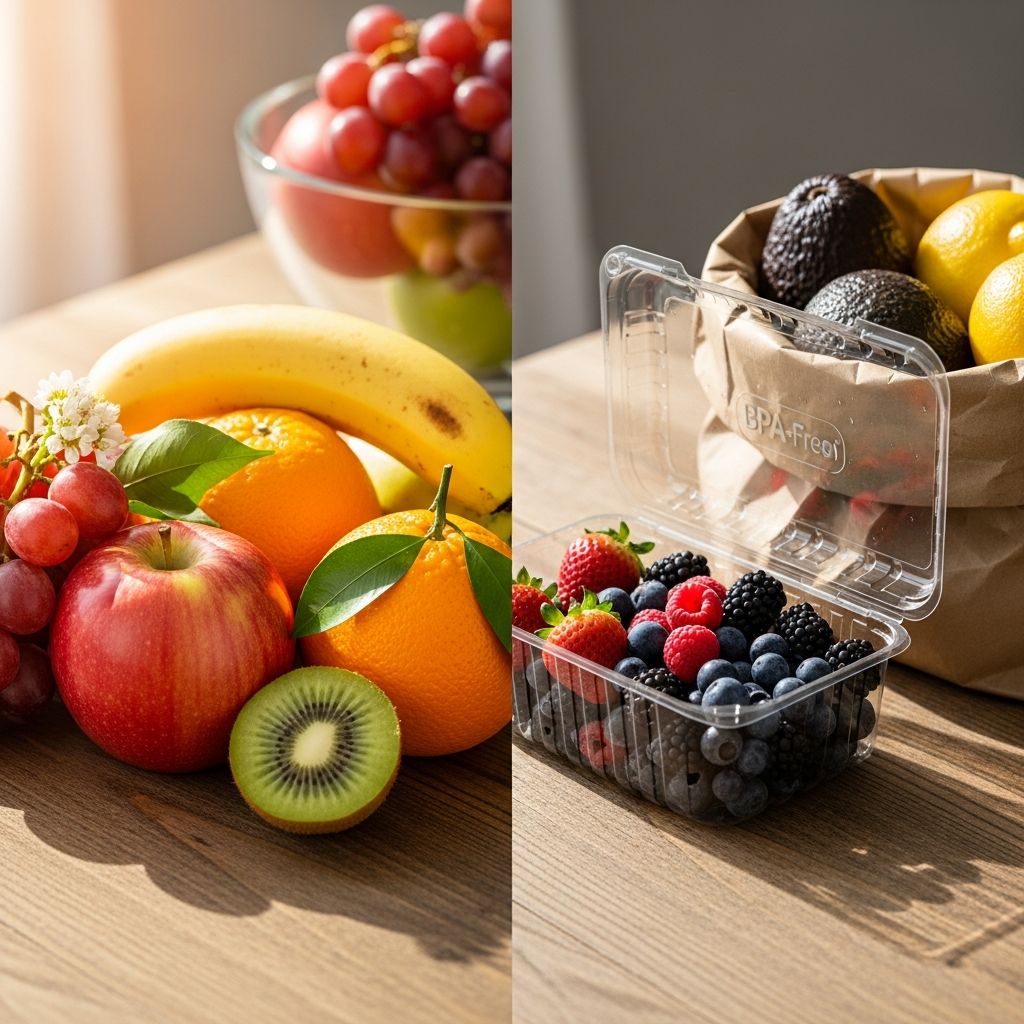
Selecting and storing fruit properly can significantly extend its shelf life while preserving its delicious flavor and nutritional value. With the right techniques, you can enjoy peak freshness from your produce for days or even weeks longer. This guide covers essential tips for choosing ripe fruits and storing them effectively, drawing from practical expertise to minimize waste and maximize enjoyment.
Why Proper Fruit Selection and Storage Matters
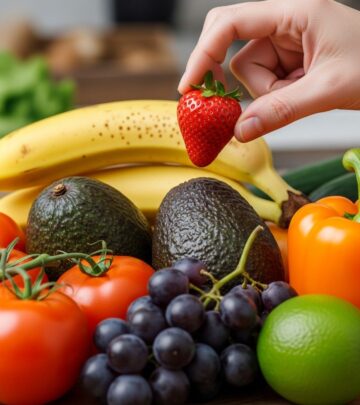
Fruits are at their best when perfectly ripe, offering optimal taste, texture, and nutrients. However, poor selection or improper storage leads to rapid spoilage, flavor loss, and nutrient degradation. By learning to identify ripeness cues and using appropriate storage methods, you reduce food waste— which affects millions of households annually—and save money. Factors like ethylene gas production (a natural ripening hormone from fruits like apples and bananas) play a key role; separating high-ethylene emitters from sensitive produce prevents premature ripening.
Understanding fruit categories helps: climacteric fruits (e.g., apples, bananas, tomatoes) continue ripening after harvest, while non-climacteric ones (e.g., strawberries, citrus) do not. Tailor your approach accordingly for best results.
How to Choose Ripe Fruit: General Guidelines
Start at the store or market by examining fruits closely. Look for vibrant color, firm texture without soft spots, and a pleasant aroma. Avoid bruised, wrinkled, or overly soft items, as they spoil faster. Gently squeeze to check firmness—ripe fruit yields slightly to pressure but bounces back. For weight, heavier fruits often indicate juiciness and ripeness.
- Smell Test: Ripe fruits emit a sweet, fruity scent from the stem end. No smell or fermented odor means unripe or overripe.
- Visual Inspection: Uniform color without blemishes or mold. Some fruits like bananas show brown spots as they sweeten.
- Seasonality: Buy in-season for peak flavor and lower prices; off-season fruits are often less ripe.
Apples
Choose firm apples with smooth, glossy skin free of bruises or cuts. Color varies by variety—look for the expected hue (e.g., red for Gala, green for Granny Smith). They should feel heavy for their size, indicating juiciness. Avoid puffed stems or wrinkled skin, signs of dehydration.
Storage: Keep whole apples in the fridge’s crisper drawer in a plastic bag for up to 1-2 months. They emit ethylene, so store away from leafy greens. For cut apples, sprinkle with lemon juice to prevent browning and store in an airtight container for 3-5 days.
Bananas
Select bananas with more green near the stem if you want them to ripen slowly; yellow with some brown spots for immediate eating. Avoid split peels or blackened tips. Bunches are best—bananas ripen faster when separated.
Storage: Store at room temperature away from other fruits due to high ethylene. Refrigerate only when fully ripe (peel may blacken, but fruit is fine inside). Freeze peeled ripe bananas for smoothies, lasting 2-3 months.
Berries (Strawberries, Blueberries, Raspberries)
Pick dry, plump berries without mushy spots or white fuzz (mold). Strawberries should have bright red color with green caps; avoid seedy or leaking ones. Blueberries and raspberries: firm, uniform color, no shriveling.
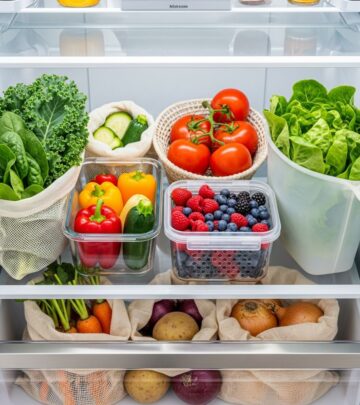
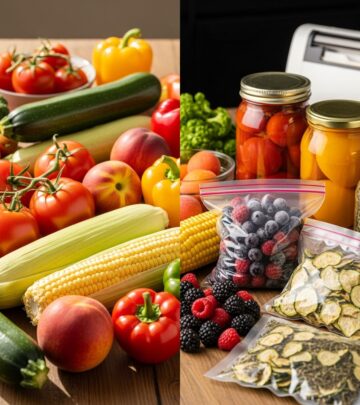
Storage: Do not wash until ready to eat. Spread on a paper towel-lined tray to dry, then store in a breathable container or mason jar in the fridge for 5-7 days. For longer life, freeze unwashed berries on a tray, then transfer to bags (up to 6 months).
Citrus Fruits (Oranges, Lemons, Grapefruits)
Opt for heavy, firm citrus with glossy, thin skin. Avoid green tinges on oranges (unripe) or soft spots. Lemons and limes should yield slightly to pressure.
Storage: Refrigerate in a crisper drawer or plastic bag for 2-4 weeks. Room temperature for short-term (3-5 days). Juice extras and freeze in ice cube trays for convenience.
Stone Fruits (Peaches, Nectarines, Plums, Cherries)
Choose fragrant, slightly soft fruits with a seam that gives to gentle pressure. Color should be rich but not necessarily full (e.g., green blush on peaches is okay if aromatic). Cherries: plump, shiny, deep color with green stems.
Storage: Ripen at room temperature in a paper bag. Once ripe, refrigerate in a shallow container for 3-5 days. Pit and slice unripe ones, then freeze.
Melons (Watermelon, Cantaloupe, Honeydew)
For whole melons, look for a creamy yellow field spot (where it rested on ground), heavy weight, and dull rind. Thump for a hollow sound. Cut melons: vibrant flesh without off odors.
Storage: Whole at room temp for 1 week; refrigerate cut pieces wrapped tightly for 3-5 days. Scoop and freeze balls for up to 6 months.
Pears
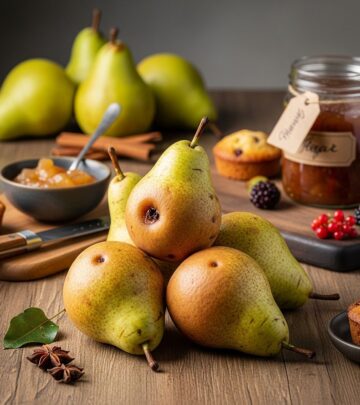
Select firm pears with good color. Like peaches, they ripen off the tree—choose slightly underripe if not eating immediately.
Storage: Ripen at room temp in a bag with bananas (speeds process). Refrigerate ripe pears for 1-2 weeks. Sprinkle cut pieces with lemon juice.
Pineapple
Pick golden-yellow pineapples with a sweet smell at the base. Leaves should pull easily from the crown; body firm but yielding slightly.
Storage: Room temp for 2-3 days; refrigerate upright, loosely covered, for 5-7 days. Core and freeze chunks.
Grapes
Choose plump, firmly attached grapes with no shriveling or leaks. Stem should be flexible and green.
Storage: Refrigerate unwashed in a perforated bag for 1-2 weeks. Wash and freeze for snacks.
Tropical Fruits (Mangoes, Kiwis, Papayas)
Mangoes: fruity scent, slight give, no shrivels. Kiwis: unripe are rock-hard; buy ahead. Papayas: mostly yellow skin, sweet aroma.
Storage: Ripen tropicals at room temp. Refrigerate ripe for 3-7 days. Peel and freeze mango/kiwi slices.
Common Storage Mistakes to Avoid
Refrigerating unripe climacteric fruits halts ripening. Storing ethylene producers with sensitive items (e.g., apples with berries) causes spoilage. Washing berries early introduces moisture leading to mold. Overcrowding prevents air circulation.
| Fruit Type | Best Storage Spot | Shelf Life | Tip |
|---|---|---|---|
| Apples, Pears | Fridge Crisper | 1-2 months | Separate from greens |
| Bananas | Counter | 5-7 days | Away from others |
| Berries | Fridge (jar) | 5-7 days | Unwashed |
| Citrus | Fridge | 2-4 weeks | Plastic bag |
| Stone Fruits | Fridge (ripe) | 3-5 days | Shallow container |
Advanced Storage Techniques
Freeze extras: slice, tray-freeze, then bag for 6-12 months. Dehydrate for snacks—pretreat with lemon juice, dry at 140°F. Mason jars work wonders for berries, maintaining humidity without sogginess.
Frequently Asked Questions (FAQs)
Can I refrigerate bananas?
Yes, but only when ripe—the peel blackens, but the fruit stays good for a few extra days.
How do I keep cut apples from browning?
Toss slices in lemon juice or citric acid solution; store airtight in fridge.
Do berries last longer in glass jars?
Absolutely—mason jars in the fridge can double berry life by controlling moisture.
Should I wash fruit before storing?
No, wash just before eating to avoid excess moisture causing mold.
How can I ripen stone fruits faster?
Place in a paper bag with an apple or banana at room temperature.
References
- The Produce Worker’s Guide to Storing 25 Common Fruits and Veggies — Wise Bread. 2010-approx (evergreen advice). https://www.wisebread.com/the-produce-workers-guide-to-storing-25-common-fruits-and-veggies
- All Dried Up: How to Dry Fruits and Vegetables — Wise Bread. 2010-approx (practical methods remain relevant). https://www.wisebread.com/all-dried-up-how-to-dry-fruits-and-vegetables
- Extend the Freshness of Your Produce: Easy Tips! — Lemon8-app (user-tested storage hack). 2023-approx. https://www.lemon8-app.com/@heyitshoney__/7389884956166013446?region=us
Similar Articles








Read full bio of medha deb