How to Check Your Credit Score
Discover reliable ways to access your credit score for free or at low cost, understand scoring models, and maintain strong financial health.

Your credit score is a vital number that reflects your financial reliability, influencing everything from loan approvals to rental applications. Knowing how to access it regularly empowers you to manage your finances effectively. This guide outlines practical methods to obtain your score, explains the underlying calculations, and provides actionable advice for maintenance and enhancement.
Understanding the Basics of Credit Scores
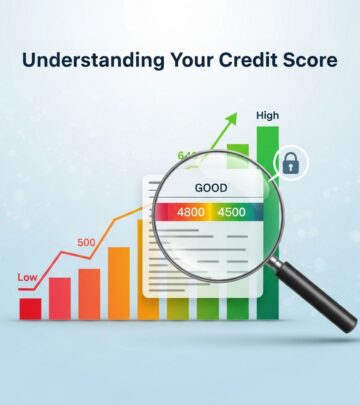
Credit scores quantify your creditworthiness based on your financial history. The most recognized models are FICO and VantageScore, each ranging from 300 to 850. Higher scores signal lower risk to lenders. FICO categorizes scores as: Excellent (800-850), Very Good (740-799), Good (670-739), Fair (580-669), and Poor (300-579). VantageScore uses Superprime (781-850), Prime (661-780), Near Prime (601-660), and Subprime (300-600).
You may have multiple scores since bureaus like Equifax, Experian, and TransUnion use slightly varying data and models. Regular checks help you spot discrepancies and track progress.
Free Methods to Access Your Credit Score
Several no-cost options make monitoring straightforward without impacting your score, as soft inquiries don’t affect it.
- Credit Card and Bank Portals: Many issuers, including major credit card companies, display your score on monthly statements or online dashboards. Log in to your account and look for ‘View Credit Score’ options. This is convenient if you’re an existing customer.
- Free Online Services: Platforms like Credit Karma provide VantageScore estimates updated frequently. Sign up, verify identity, and access scores instantly. Always review terms to avoid unexpected fees.
- Nonprofit Counselors: Organizations offer free scores alongside personalized advice. Contact local credit counseling services for this benefit.
These methods deliver estimates, often VantageScore-based, differing slightly from FICO used by most lenders.
Official Credit Reports and Paid Scores
For comprehensive insights, start with your credit report, available weekly for free via AnnualCreditReport.com—the sole federally authorized site. Request reports from Equifax, Experian, and TransUnion by visiting the site, calling 1-877-322-8228, or mailing a form to P.O. Box 105281, Atlanta, GA 30348-5281. Reports detail payment history, debts, and accounts but exclude scores.
To purchase scores directly:
- From Bureaus: Equifax (www.equifax.com or 1-800-685-1111), Experian (www.experian.com/credit/credit-score or 1-888-397-3742), TransUnion (www.transunion.com/credit-score or 1-800-493-2392).
- myFICO: Buy authentic FICO scores from all three bureaus, with options for monitoring.
Paid services often bundle monitoring, ideal for ongoing vigilance.
How Credit Scores Are Calculated
Scores derive from credit report data via proprietary formulas. FICO weighs factors as follows:
| Factor | Weight | Description |
|---|---|---|
| Payment History | 35% | On-time payments vs. delinquencies. |
| Amounts Owed | 30% | Debt levels and credit utilization ratio (aim under 30%). |
| Length of History | 15% | Age of oldest and average accounts. |
| New Credit | 10% | Recent inquiries and new accounts. |
| Credit Mix | 10% | Variety of credit types (cards, loans, mortgages). |
VantageScore adjusts weights slightly but prioritizes similar elements. Building a diverse, long history with low utilization boosts scores.
Strategies to Improve and Maintain Your Score
Proactive steps yield results over time:
- Pay bills promptly—set autopay for minimums.
- Reduce balances to lower utilization.
- Avoid frequent applications to minimize hard inquiries.
- Keep old accounts open for history length.
- Diversify credit responsibly.
Patience is key; changes reflect in 1-2 months.
Detecting and Correcting Errors
Inaccuracies can drag scores down. Review reports meticulously:
- Obtain free reports from AnnualCreditReport.com.
- Scrutinize for wrong personal info, outdated accounts, or fraudulent entries.
- Collect proof (statements, IDs).
- Dispute online, by phone, or mail with bureaus. They investigate within 30 days.
- Follow up and recheck.
Over 20% of reports contain errors; fixing them can raise scores significantly.
Frequently Asked Questions (FAQs)
Does checking my score hurt it?
No, self-checks are soft inquiries with no impact. Only lender ‘hard’ pulls affect it temporarily.
How often should I check?
Monthly via free tools, plus full reports quarterly for thorough reviews.
Why do scores from different sources vary?
Different models, data timing, and bureau info cause minor differences. Lenders use specific versions.
Can I get scores without a credit card?
Yes, via free services, AnnualCreditReport.com (reports only), or direct bureau purchases.
What if I have no credit history?
Consider secured cards or credit-builder loans to start building.
Choosing the Right Monitoring Service
Evaluate free vs. paid:
| Type | Pros | Cons |
|---|---|---|
| Free Apps | Convenient, frequent updates | Estimates only, potential upsells |
| Bank Portals | No extra signup, accurate for users | Limited to customers |
| Paid (myFICO) | Official FICO, tri-bureau | Costs $20-50/month |
Select based on needs—free for basics, paid for precision.
Regular monitoring prevents surprises and supports financial goals like better rates on mortgages or auto loans. Start today for lasting benefits.
References
- How to Check Your Credit Score Online with These Steps — Intuit. 2023. https://www.intuit.com/blog/innovative-thinking/financial-tips/check-credit-score/
- Checking Credit Score: How to Check Your Credit Score — Huntington Bank. 2024. https://www.huntington.com/learn/credit-debt/checking-credit-score
- Credit Scores — MyCreditUnion.gov (NCUA). 2025-03-01. https://mycreditunion.gov/manage-your-money/credit/credit-scores
- myFICO: Your FICO Score, from FICO — myFICO. 2026. https://www.myfico.com
- Where can I get my credit scores? — Consumer Financial Protection Bureau (CFPB). 2024-06-15. https://www.consumerfinance.gov/ask-cfpb/where-can-i-get-my-credit-scores-en-316/
- How Is Your Credit Score Calculated? — Citizens Bank. 2024. https://www.citizensbank.com/learning/credit-score-calculation.aspx
- Learn about your credit report and how to get a copy — USAGov. 2025. https://www.usa.gov/credit-reports
Similar Articles








Read full bio of Sneha Tete