How To Catch Up When You’re Behind On Bills
Practical, step-by-step strategies to get organized, prioritize, and catch up when you’ve fallen behind on your bills.
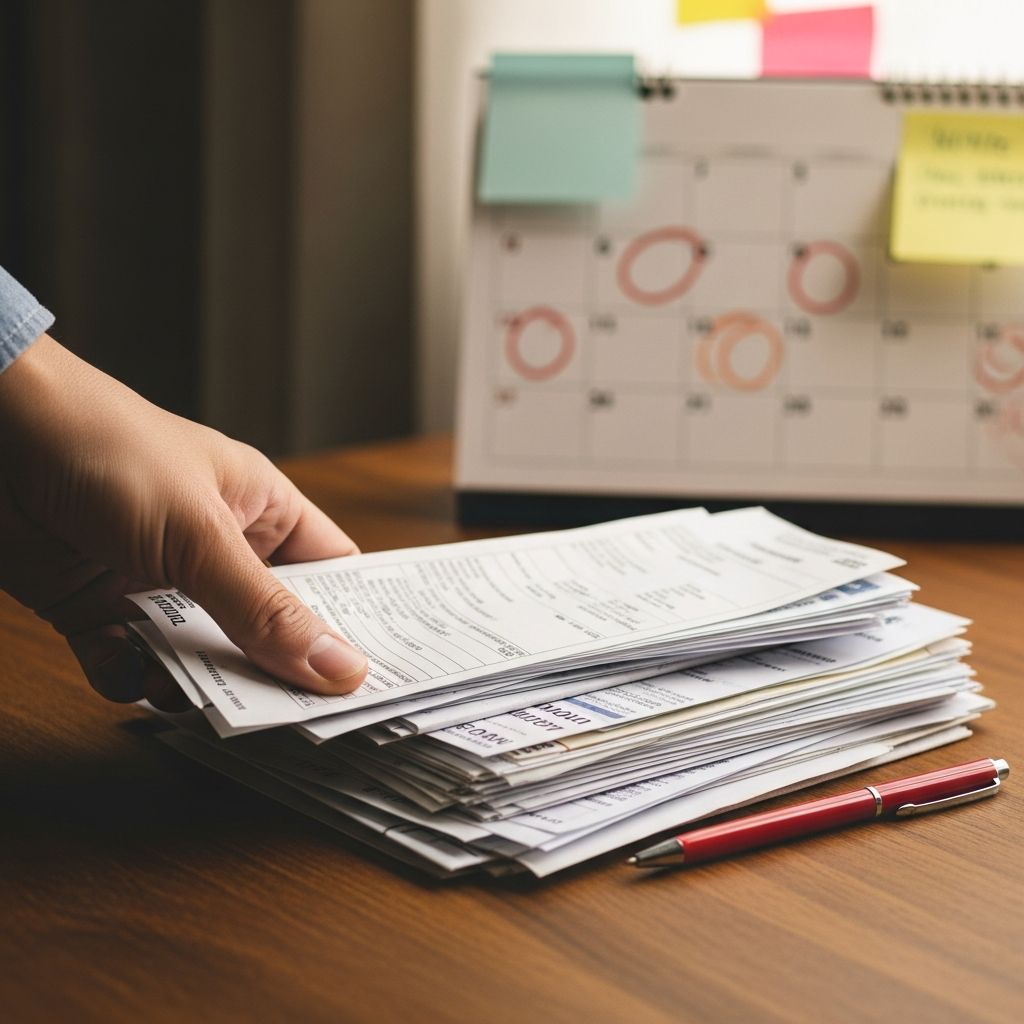
Being behind on bills is stressful, but it is also a problem you can tackle with a clear, step-by-step plan. Late payments can lead to extra fees, higher interest charges, and credit score damage, yet even a tough situation can be turned around with the right strategy.
This guide walks you through practical, realistic actions to help you get organized, prioritize what to pay first, communicate with creditors, and start catching up so you can get back to paying bills on time.
Why You Might Be Behind On Bills
Falling behind is common and often linked to events outside your control, not personal failure. Research shows many households struggle to cover an unexpected expense or temporary income drop, which can quickly lead to missed payments and mounting balances.
Some frequent reasons include:
- Income reduction due to job loss, fewer hours, or reduced business revenue.
- Unexpected emergencies such as medical bills, urgent car or home repairs, or family crises.
- High-interest debt where interest and fees grow faster than payments.
- Cost of living increases outpacing wage growth, straining already tight budgets.
- Lack of tracking or an absent budget, leading to forgotten due dates and overspending.
Whatever the cause, you can regain control by following a structured approach. The rest of this article outlines a six-step plan to catch up and prevent future late payments.
6 Steps To Take If You Are Behind On Bills
Use these six steps as a roadmap. You do not have to do everything perfectly; focus on steady progress and adjust as needed.
Step 1: Get Organized So You Can Pay On Time
The first step is to understand exactly what you owe, to whom, and when. Many people feel overwhelmed simply because their bills are scattered across emails, apps, and mail, making it easy to miss due dates.
Create a single master list or tracker for your bills. You can use a spreadsheet, a notebook, or a budgeting app—what matters is that it’s complete and updated.
Information To Gather For Each Bill
- Company or creditor name (who you pay)
- Type of bill (rent, utilities, credit card, loan, etc.)
- Due date each month
- Past-due amount (if any)
- Minimum payment due this month
- Total balance owed (for debts like loans or credit cards)
- Interest rate (especially for credit and loans)
- How you pay (online, auto-debit, mail, in-person)
| Bill Type | Company | Due Date | Past-Due | Minimum Due | Total Balance |
|---|---|---|---|---|---|
| Rent | ABC Property Mgmt | 1st of month | $0 | $1,200 | – |
| Electricity | City Power | 10th of month | $60 | $110 | – |
| Credit Card | XYZ Bank | 18th of month | $150 | $75 | $2,000 |
As you do this, also review:
- Bank and credit card statements for automatic debits you may have forgotten.
- Your credit report to identify any accounts you might overlook, such as old debts in collections.
Having a full picture reduces anxiety and gives you a starting point for your plan.
Step 2: Evaluate Your Finances And Trim Expenses
Next, compare your income to your essential expenses and debts. The goal is to free up as much cash as possible to catch up on past-due bills.
Separate Needs From Wants
List your monthly spending and categorize each item as a need or a want:
- Needs: Housing, basic utilities, food, necessary transportation, basic insurance, essential medical costs.
- Wants: Entertainment, dining out, subscriptions, upgrades, premium services, and non-essential shopping.
Common areas to reduce or pause include:
- Subscriptions & memberships (streaming services, apps, gym memberships)
- Cable or premium TV packages
- Non-essential grooming and beauty (salon visits, specialty skincare or makeup)
- Alcohol and dining out
- Convenience groceries (prepared foods, frequent takeout)
These reductions do not have to be permanent. Think of them as temporary trade-offs to stabilize your finances.
Negotiate Existing Bills
After cutting what you can, look for opportunities to lower the cost of bills you must keep. Many service providers will work with you if you ask:
- Request a lower interest rate on credit cards or personal loans.
- Ask about discounts or promotional rates on internet, phone, or insurance.
- Verify medical bills for errors, which are common, and ask about payment plans or financial assistance.
- See if you can bundle services (e.g., internet and phone, or home and auto insurance) for a better rate.
Providers often prefer to reduce a bill or arrange payments rather than send an account to collections.
Step 3: Prioritize Which Bills To Pay First
When you cannot pay everything at once, you need a clear order of priority. Not all bills have the same consequences if they are late. Prioritizing helps you protect your safety, housing, and long-term financial health.
General Priority Order
- Essential living expenses
- Housing (rent or mortgage)
- Utilities that keep your home safe (electricity, heating, water)
- Basic food and medicine
- Transportation needed for work (gas, transit passes, essential car costs)
- Secured debts (where an asset can be repossessed or foreclosed)
- High-impact debts (like child support, taxes, or student loans in some jurisdictions)
- Unsecured debts (credit cards, personal loans, some medical bills)
- Non-essential or discretionary bills
This sequence helps you avoid losing housing or transportation while still moving toward resolving other obligations.
Create A Catch-Up Order
Using your master list, flag bills as:
- Critical – Immediate risk to housing, utilities, or legal obligations.
- Important – Can affect credit or cost more in the long run but does not threaten basic safety quickly.
- Flexible – Can be reduced, paused, or temporarily delayed with minimal short-term consequences.
Then, assign each bill a position in your catch-up plan, starting with critical items and working down.
Step 4: Call Your Creditors And Service Providers
Once you know what you owe and your priorities, communicate. Many lenders and companies offer hardship options, but they cannot help if they do not know you are struggling.
Why It Helps To Call Early
- You may qualify for a hardship program or temporary relief (reduced payments, forbearance, or payment extensions).
- You might get fees waived or interest lowered.
- You can often avoid accounts going to collections, which are more damaging to your credit.
What To Say When You Call
Before calling, gather recent statements and have your income and basic budget numbers handy. Then:
- Explain that you have fallen behind and the reason (job loss, medical issue, etc.).
- Confirm the total past-due amount and the minimum needed to keep the account in good standing.
- Ask about options: reduced payments, lower interest, due date changes, or structured payment plans.
- Request confirmation of any new agreement in writing or via email.
Be polite but firm, and take notes during each call: date, time, who you spoke to, and agreed changes.
Step 5: Increase Your Income (Even Temporarily)
Cutting expenses has a limit; increasing income, even for a short period, can accelerate your catch-up plan. Research indicates that many households struggling with bills also face income volatility, so even small additional income streams can make a difference.
Ways To Boost Income
- Ask for extra hours or shifts at your current job if possible.
- Freelance or gig work using skills you already have (tutoring, design, delivery driving, rideshare, childcare).
- Sell unused items (clothing, electronics, furniture, hobby equipment).
- Temporary part-time work during peak seasons or weekends.
Decide in advance that any extra income will go directly to your highest-priority past-due bills until you are caught up, rather than increasing your lifestyle.
Step 6: Execute Your Plan And Automate What You Can
At this stage, you know what you owe, you have trimmed spending, negotiated where possible, and identified ways to bring in more income. Now you need a clear plan to put it all into action and avoid falling behind again.
Create A Simple Spending Plan
Design a monthly or paycheck-based budget that allocates every dollar of income. Many financial educators recommend a structured plan so that each bill and savings goal has a place in your budget.
- List your net monthly income (or income per paycheck).
- Subtract essential expenses and current bills.
- Assign a specific amount each month to past-due balances based on your priority list.
- Adjust as needed until the numbers balance (income minus expenses and debt payments equals zero).
Use Automation Strategically
Automatic payments help prevent late fees and protect your credit, but only when your account has enough funds to cover them.
- Start with your most critical bills (rent or mortgage, utilities, minimum debt payments).
- Schedule automatic payments for a few days after your paycheck hits to reduce overdraft risk.
- Set up calendar reminders or alerts a few days before each automated payment.
As your situation improves and you fully catch up, you can expand automation to more bills and begin directing money toward an emergency fund.
You Can Catch Up If You Are Behind On Bills
Falling behind can feel overwhelming, but late payments do not have to define your financial future. By getting organized, understanding your priorities, communicating with creditors, and following a realistic plan, you can gradually catch up and rebuild stability.
Protecting your ability to pay essentials and avoiding new late fees is the first victory. From there, each on-time payment is a step toward stronger credit, less stress, and more control over your money.
Frequently Asked Questions (FAQs)
Q: Which bills should I pay first if I can’t pay everything?
A: Focus on essential living costs first: housing, basic utilities, food, and transportation. After that, pay secured debts and any obligations with serious legal or financial consequences, then tackle unsecured debts like credit cards and medical bills.
Q: How long will it take to catch up on my bills?
A: It depends on your total past-due amounts, interest rates, and how much you can allocate each month. Creating a written plan and tracking progress each month will help you see how long it may take and where you can speed up by cutting costs or increasing income.
Q: Will being behind on bills ruin my credit forever?
A: Late payments can stay on your credit report for several years, but their impact lessens over time as you make consistent on-time payments. Catching up, staying current, and keeping balances manageable can help your score gradually improve.
Q: Should I use a credit card to cover essential bills?
A: Using a credit card can offer short-term relief but often increases your long-term costs because of interest and potential fees. It is usually better to adjust expenses, negotiate with providers, or increase income before relying on credit, especially if you cannot pay the card off quickly.
Q: When should I consider getting professional help?
A: If you are consistently unable to cover essentials, only making minimum payments, or being contacted by collectors, consider speaking with a nonprofit credit counseling agency. They can help you review your budget, explore debt management plans, and understand your options.
References
- How To Catch Up When You Are Behind On Bills — Clever Girl Finance. 2023-08-01. https://www.clevergirlfinance.com/behind-on-bills/
- Report on the Economic Well-Being of U.S. Households in 2023 – Economic Well-Being — Board of Governors of the Federal Reserve System. 2024-05-22. https://www.federalreserve.gov/publications/report-economic-well-being-us-households.htm
- Consumer Credit – G.19 — Board of Governors of the Federal Reserve System. 2024-11-07. https://www.federalreserve.gov/releases/g19/current/
- Credit Reports and Scores — Consumer Financial Protection Bureau (CFPB). 2023-10-18. https://www.consumerfinance.gov/consumer-tools/credit-reports-and-scores/
- New HHS Study Finds 1 in 10 U.S. Adults Carry Medical Debt, Burden Is Heavier in the South — U.S. Department of Health and Human Services. 2024-04-02. https://www.hhs.gov/about/news/2024/04/02/new-hhs-study-finds-1-10-us-adults-carry-medical-debt.html
- Managing Debt — National Foundation for Credit Counseling (NFCC). 2023-09-12. https://www.nfcc.org/resources/blog/managing-debt/
Similar Articles








Read full bio of medha deb