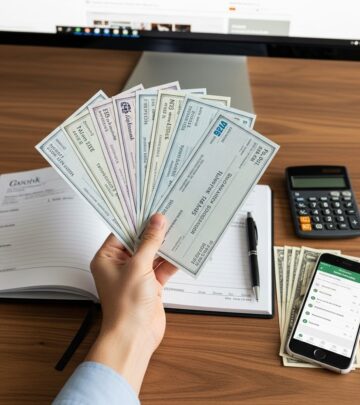
How to Cash a Paycheck Without a Bank Account
Discover practical methods to cash your paycheck without a bank account and compare fees.
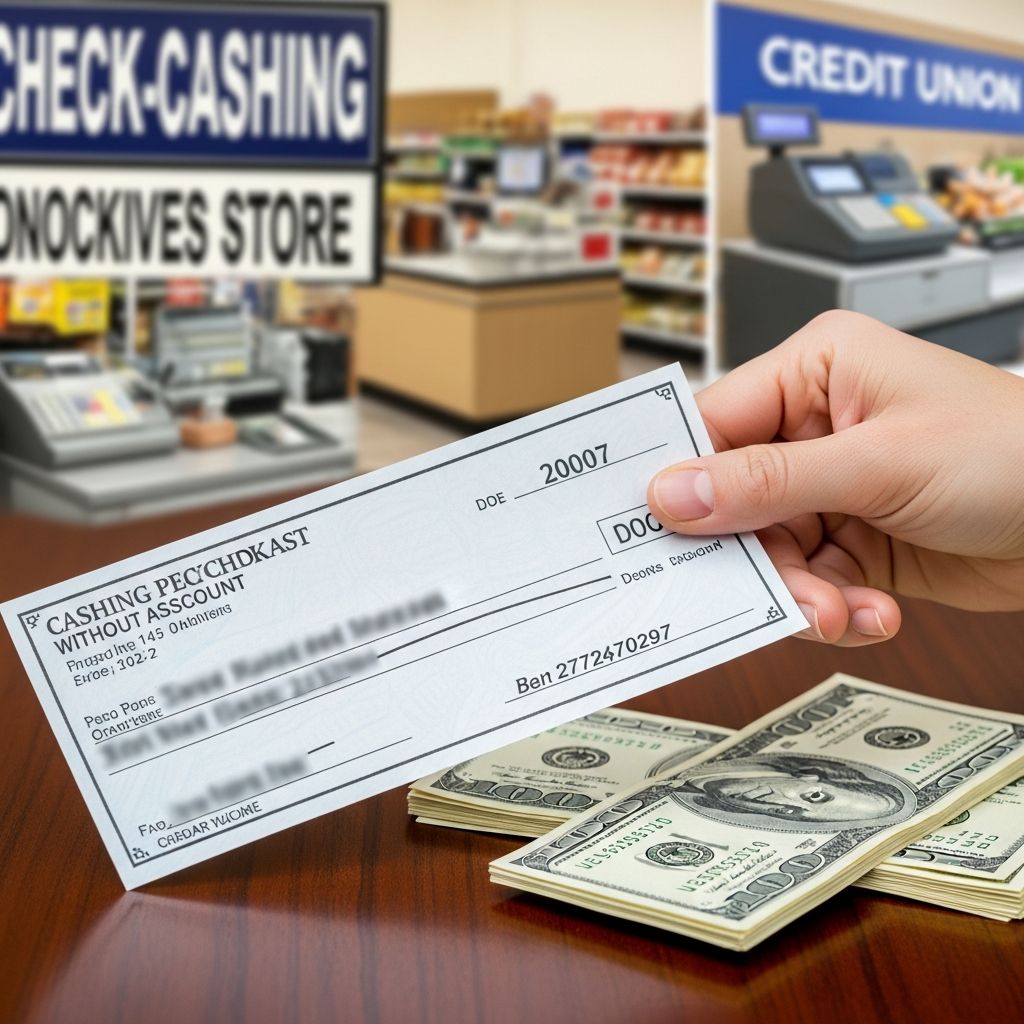
Approximately 5.9 million U.S. households remain unbanked, meaning they lack access to traditional banking services. For these individuals and others seeking alternatives, cashing a paycheck without a bank account is not only possible but increasingly convenient thanks to modern financial technology and retail partnerships. Whether you’re between jobs, recovering from banking issues, or simply prefer alternative financial services, multiple legitimate options exist to convert your paycheck into usable cash. Understanding each method’s benefits, drawbacks, and associated fees will help you make an informed decision that aligns with your financial situation.
Why Some People Cash Paychecks Without a Bank Account
The reasons for not maintaining a traditional bank account vary widely. Some individuals face barriers to account opening due to previous banking issues, inadequate identification documentation, or insufficient funds to meet minimum balance requirements. Others operate in the informal economy or prefer maintaining financial independence from traditional institutions. Still others may be experiencing temporary financial hardship or transitional periods in their lives. Regardless of the reason, having accessible methods to cash paychecks ensures that workers can quickly access earned wages without unnecessary delays or complications.
1. Cash Your Check at the Issuing Bank
The most straightforward and often least expensive option is to visit the bank that issued your paycheck. Many banks will cash checks drawn on their accounts even if you don’t maintain an account with them. This method typically involves visiting a branch location during business hours and presenting your check along with a valid government-issued photo identification.
Key considerations: While many banks offer this service, fees vary significantly. Some financial institutions cash checks free for non-customers, while others charge between $5 and $10 per check. Before visiting, call the bank to confirm their non-customer check-cashing policy and current fee structure. Banks may also impose limits on the check amount they will cash for non-customers, typically ranging from $1,000 to $5,000 depending on their policies.
This method works well for larger paychecks and is often available during extended business hours at main branch locations. The primary disadvantage is that you must visit during operating hours, which may prove inconvenient for people working non-standard schedules.
2. Cash Your Check at a Retail Location
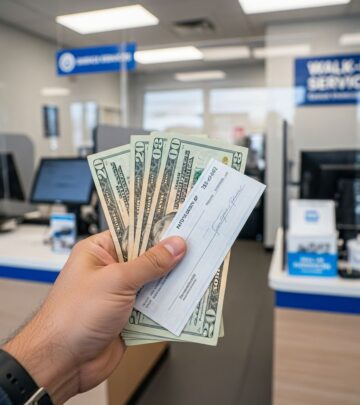
Major retailers have become increasingly popular destinations for check cashing services. Walmart, Target, and grocery store chains now offer check-cashing services at customer service desks, making this option highly accessible for many people. Retail check cashing has gained popularity because these stores maintain extensive operating hours, often opening early and closing late, with some locations operating 24/7.
Fee structure: Retail check cashing typically costs between $3 and $8 per check, though rates vary by retailer and check type. Payroll checks usually incur lower fees than personal checks. Most retailers impose maximum cashing limits, commonly between $1,000 and $5,000 per transaction. This means very large paychecks may require multiple visits or alternative cashing methods.
Requirements: You’ll need a valid government-issued photo ID and must present both sides of the check. Some retailers now offer mobile app options where you can check current fees and availability before visiting. The convenience of retail locations combined with reasonable fees makes this method attractive for many unbanked individuals.
3. Use Check-Cashing Apps and Mobile Deposits
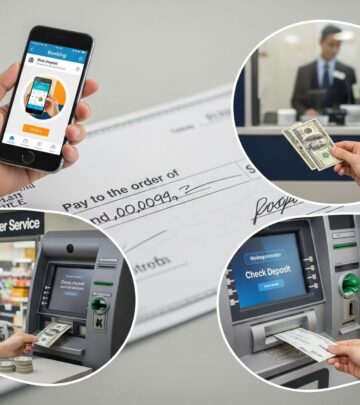
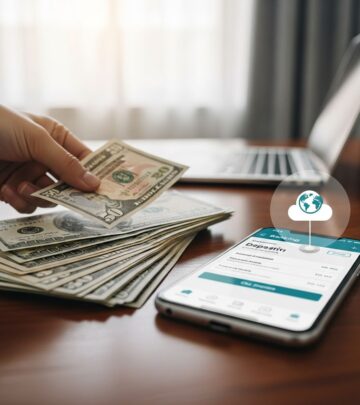
Mobile technology has revolutionized check cashing for individuals without bank accounts. Apps like Cash App, PayPal, and Venmo now offer mobile check deposit features that allow users to photograph their checks and receive funds in their digital wallets. This method represents the fastest-growing option for paycheck conversion.
Cash App specifics: Cash App offers free check deposit with no fees to load checks into your mobile wallet. Funds typically become available within minutes to 1-2 business days. The app limits deposits to $3,500 per check and $7,500 per month. Once funds appear in your Cash App account, you can transfer money to a linked debit card, make purchases, or request cash from partner retailers.
PayPal and Venmo: Both platforms charge 1-2% of the check amount for instant deposits, with maximum fees typically capped at $25 to $50 per check. Standard deposits are often free but take several business days to process. PayPal limits mobile check deposits to $5,000 per check with monthly limits of $20,000, while Venmo imposes lower limits.
The primary advantage of app-based check cashing is speed and accessibility. You don’t need to leave home or maintain business hours, making this ideal for people working irregular schedules. The main disadvantage is that you must own a smartphone and have reliable internet connectivity. Additionally, while some services offer free deposits, accessing funds immediately often requires paying premium fees.
4. Load Your Check onto a Prepaid Debit Card
Prepaid debit cards function similarly to traditional bank debit cards but don’t require opening a bank account. Cards like Netspend, Green Dot, and Chime allow users to load paychecks directly and use the card for purchases, online transactions, and ATM withdrawals. Prepaid cards offer substantial flexibility for people seeking banking-like functionality without traditional accounts.
How it works: Register your prepaid card, download the associated mobile app, and photograph your check for deposit. Some cards allow direct deposit of payroll, eliminating the need to manually deposit each check. Funds typically become available within 1-3 business days, though some providers offer expedited deposits for additional fees.
Fee considerations: Prepaid card fees include monthly maintenance charges ($5-$15), ATM withdrawal fees ($2-$3), overdraft fees ($25-$35), and inactivity fees when unused for extended periods. However, some prepaid card providers like Netspend and Chime offer fee-waived accounts under certain conditions or with direct deposit activation. When comparing prepaid cards, calculate total potential monthly fees to understand the true cost.
Advantages: Prepaid cards offer convenience, accessibility, and spending flexibility. You can load multiple checks, manage your balance through a mobile app, and access funds via ATM networks. Prepaid cards also provide fraud protection and are insured through the FDIC when registered. The primary disadvantage is the accumulating fees, which can exceed traditional bank fees over time.
5. Use Your Employer’s Payroll Debit Card Program
Some large employers sponsor direct deposit programs to prepaid debit cards, bypassing traditional banking entirely. When you enroll in these programs, your employer deposits your paycheck directly onto a reusable card provided by the employer’s financial partner. This method eliminates the need to physically deposit checks and often occurs before payday.
Benefits: Employer-sponsored payroll cards provide automatic deposit, immediate access to earned wages upon payday, and reduced fees compared to standalone prepaid cards. Many employers negotiate better fee structures for their employees, resulting in lower monthly maintenance and ATM fees. Some programs even provide access to financial education resources.
Potential drawbacks: You’ll want to carefully review the specific fees associated with your employer’s card program. Possible charges include overdraft fees, ATM fees, transfer fees, inactivity fees, and general service fees. Some programs limit ATM access or charge for customer service inquiries. Contact your employer’s human resources department to request detailed fee schedules and compare them with standalone prepaid card options before enrolling.
6. Sign Your Check Over to Someone Else
A traditional but often overlooked method involves endorsing your check to a trusted friend or family member who then deposits it into their account and provides you with cash. This option involves minimal direct cost but requires significant trust and careful execution.
How to execute: On the back of your check, write “Pay to the order of [person’s name]” and sign below this statement. The authorized person can then deposit the check into their account. Once the check clears, they provide you with the cash equivalent. This process typically takes 3-5 business days depending on the banks involved.
Important considerations: This method carries substantial risks. The check remains negotiable until the person deposits it, creating potential for loss or theft. You’re also dependent on the other person’s reliability and honesty. Additionally, some banks now restrict third-party check endorsements due to fraud concerns, meaning the designated person may not be able to deposit the check even with proper authorization. Always verify that both banks involved accept third-party endorsements before committing to this method.
7. Visit a Check-Cashing Store or Outlet
Check-cashing stores specifically cater to unbanked and underbanked populations, offering quick cash transactions with minimal requirements. Establishments like ACE Cash Express, Check Into Cash, and Amscot maintain widespread locations and extended operating hours, providing convenient access when other options are unavailable.
Process and fees: Simply present your check and valid identification to the store clerk. They verify the check, confirm available funds, process the transaction, and provide cash. However, check-cashing stores are typically the most expensive option available. Fees range from 1-10% of the check amount, translating to $10-$100 on a $1,000 check. The percentage-based fee structure means larger checks incur substantially higher charges.
Why they’re expensive: Check-cashing stores assume greater risk than banks or retailers because their customer base often includes individuals with previous banking issues or poor credit histories. They also provide rapid access to funds without waiting periods, which commands a premium price. Additionally, these stores often employ more staff to mitigate fraud risk and maintain security systems to protect cash on hand.
When to use: Check-cashing stores should be considered a last resort, appropriate only when other methods are unavailable or impossible. While convenient, their high fees make them unsuitable for regular paycheck cashing. However, for emergency situations requiring immediate access to funds, they provide valuable service despite the expense.
Comparing Check-Cashing Methods: A Fee Analysis
| Method | Fee Range | Processing Time | Convenience | Best For |
|---|---|---|---|---|
| Issuing Bank | Free – $10 | Immediate | Medium | Larger checks, business hours |
| Retail Location | $3 – $8 | Immediate | High | Convenient locations, extended hours |
| Mobile Apps | Free – $50 | Minutes – 2 days | Very High | Quick access, home-based depositing |
| Prepaid Debit Card | $5 – $25 (monthly) | 1-3 days | High | Regular check deposits, ongoing use |
| Payroll Card | Variable | 1 day | High | Salaried employees, automatic deposits |
| Third-Party Endorsement | Free | 3-5 days | Low | Trust situations, no other options |
| Check-Cashing Store | $10 – $100 | Immediate | Medium | Emergency situations only |
Tips for Getting the Best Rates and Avoiding Unnecessary Fees
Research before depositing: Don’t assume all retailers or providers charge identical fees. Call ahead to confirm current fee structures and any maximum check amounts before visiting. Many businesses post fee information on their websites or mobile apps.
Time your deposits strategically: If using mobile apps or prepaid cards, consider depositing checks early in the business week to allow maximum processing time and ensure funds arrive before the weekend when you might need access.
Consider cumulative costs: When evaluating prepaid cards or payroll cards, calculate all potential monthly fees including maintenance, ATM usage, and overdraft charges. Sometimes a card with higher per-transaction fees results in lower overall costs than alternatives with monthly maintenance charges.
Ask about fee waivers: Many prepaid card programs waive fees for customers meeting specific requirements, such as maintaining direct deposits or achieving minimum monthly transactions. Always inquire about current promotions or conditions for fee elimination.
What Types of Checks Can You Cash Without a Bank Account?
Most check-cashing methods accept the following check types:
– Payroll checks (most widely accepted and usually lowest fees)- Government checks (Social Security, tax refunds, unemployment benefits)- Cashier’s checks- Money orders- Personal checks (though often with higher fees and restrictions)- Settlement checks (subject to specific retailer policies)
Always verify that your specific check type is accepted before visiting a location or using an app, as some providers restrict certain check categories or impose different fees based on check origin.
Frequently Asked Questions
Q: What identification do I need to cash a paycheck without a bank account?
A: You’ll need a valid government-issued photo identification, typically a driver’s license, state ID card, or passport. All check-cashing methods require this identification for verification and fraud prevention purposes.
Q: Can I cash a check without identification?
A: This is extremely difficult. Most retailers, banks, and check-cashing services legally require photo identification to cash checks due to federal regulations and their fraud prevention policies. Some prepaid card apps may allow check deposits without traditional ID verification, but the availability varies by provider.
Q: What’s the fastest way to cash a paycheck without a bank account?
A: Mobile apps like Cash App and prepaid card services offer the fastest methods, often providing access to funds within minutes to 2 business days. If you need immediate cash, retail locations and check-cashing stores provide instant access, though at potentially higher costs.
Q: Are there check-cashing options that charge no fees?
A: Yes, some options are free or low-cost. Cashing at the issuing bank may be free, certain mobile apps like Cash App charge no deposit fees, and signing checks over to trusted individuals involves no direct fees. However, most alternatives charge some fee for the convenience and service provided.
Q: Can I deposit a check from someone else’s account without a bank account?
A: Yes, you can cash checks written to you through most methods described in this article. However, checks must be properly endorsed to you, and you’ll need valid identification. You cannot cash checks written to someone else’s name in most circumstances.
Q: What’s the maximum amount I can cash at retail locations?
A: Most retailers impose limits between $1,000 and $5,000 per transaction. Maximum limits vary by retailer and check type, so call ahead to confirm the specific limit for your location and check.
Q: Do I need a smartphone to use check-cashing apps?
A: Yes, all major mobile check-cashing apps require a smartphone with internet connectivity. You’ll need to download the app, create an account, and photograph your check using the phone’s camera.
Q: How long does it take for funds to appear after depositing through an app?
A: Processing times vary by provider. Some apps deposit funds within minutes to hours, while standard deposits typically take 1-3 business days. Expedited deposit options usually available for additional fees can reduce waiting time to overnight or same-day access.
Q: Can prepaid debit cards protect my funds like bank accounts?
A: When registered, prepaid debit cards are protected by FDIC insurance up to $250,000 per provider, similar to traditional bank accounts. However, unregistered prepaid cards receive no federal protection, making registration important for security.
References
- How to Cash a Check Without a Bank Account — SoFi. 2024. https://www.sofi.com/learn/content/cash-check-without-bank-account/
- 6 Ways To Cash A Check Without A Bank Account — Bankrate. 2024. https://www.bankrate.com/banking/checking/how-to-cash-a-check-without-a-bank-account/
- 6 Ways to Cash a Check Without a Bank Account — PayPal US. 2024. https://www.paypal.com/us/money-hub/article/cash-check-without-bank-account
- How to Cash a Check In Person Without a Bank Account — Netspend. 2024. https://www.netspend.com/blog/how-to-cash-a-check-in-person-without-a-bank-account
- How to Cash a Check Without a Bank Account — PNC Insights. 2024. https://www.pnc.com/insights/personal-finance/spend/how-to-cash-check-without-bank-account.html
- Unbanked and Underbanked Households in the United States — Federal Deposit Insurance Corporation (FDIC). 2021. https://www.fdic.gov/analysis/household-survey/
Similar Articles








Read full bio of medha deb