How to Cash a Check Without a Bank Account
Discover 7 practical methods to cash checks without a bank account and manage your finances effectively.

How to Cash a Check Without a Bank Account: 7 Ways to Access Your Funds
According to the Federal Deposit Insurance Corporation (FDIC), approximately 4.2% of U.S. households—roughly 5.9 million people—are unbanked, meaning they don’t have a traditional bank account. For individuals without bank accounts, cashing checks can present a significant challenge. However, numerous alternatives exist that allow you to access your funds through various methods, each with its own set of advantages and disadvantages. Whether you receive payroll checks, government benefits, or personal checks, understanding your options is essential for managing your finances effectively.
Method 1: Cash the Check at the Issuing Bank
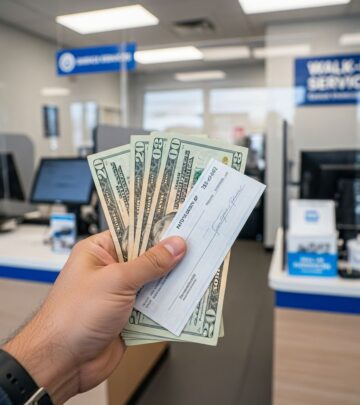
The most straightforward and often cheapest option for cashing a check is to visit the bank that issued it. Most banks will cash checks drawn on their accounts even if you’re not a customer of that institution. This method typically involves visiting the bank during business hours with your check and a valid form of identification.
Advantages: This approach is usually the most economical option, as many banks don’t charge non-customers a fee for cashing checks drawn on their own accounts. The process is relatively quick and straightforward.
Disadvantages: Not all banks offer this service to non-customers, and some may impose fees ranging from $5 to $10. You’ll need valid identification and may need to visit during business hours when the bank is open.
Method 2: Cash at a Retailer
Many retail stores and grocery chains have recognized the need for check-cashing services and now offer this service to customers. Major retailers like Walmart, Target, and grocery stores frequently provide check-cashing services as a convenience to shoppers.
Service Details: When you visit a participating retailer, you’ll present your check along with a valid government-issued ID. The retailer will verify the check, assess any applicable fees, and provide you with cash. Many larger retailers keep check-cashing fees nominal, typically ranging from $2 to $5, though some may charge up to $10 depending on the check amount.
Important Considerations: Before heading to a retailer, it’s wise to call ahead to confirm they cash the specific type of check you have and to verify their current fee structure. Most retailers impose limits on the amount they will cash in a single transaction, often capping at $5,000 or less.
Method 3: Payday Lending Stores and Check-Cashing Services
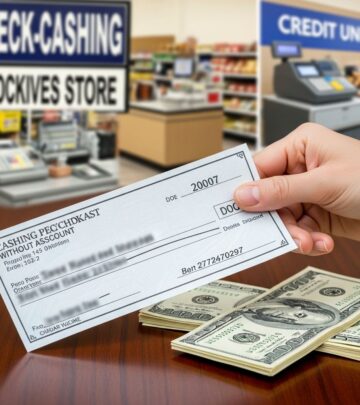
Check-cashing outlets and payday lending stores specialize in serving the unbanked population and represent a convenient but expensive option for accessing your funds. Companies such as ACE Cash Express, Check Into Cash, and Amscot operate thousands of locations nationwide.
How It Works: You simply visit a check-cashing outlet with your check and government-issued ID. The store verifies the check’s authenticity, processes the transaction, charges a fee, and provides you with cash on the spot.
Fee Structure: This option carries significantly higher fees than other methods, typically ranging from $5 to $50 depending on the check amount, or 1% to 10% of the check value. On a $500 check, you might pay $25 to $50, whereas the same check at a retailer might cost only $3 to $5.
Unique Advantage: These services are often more lenient regarding identification requirements and may serve customers who lack government-issued ID or are under 18 years old.
Method 4: Prepaid Debit Cards with Mobile Check Deposit
Prepaid debit cards represent a modern solution for those without traditional bank accounts and offer flexibility in accessing your funds. These cards function similarly to standard debit cards but don’t require you to maintain a bank account.
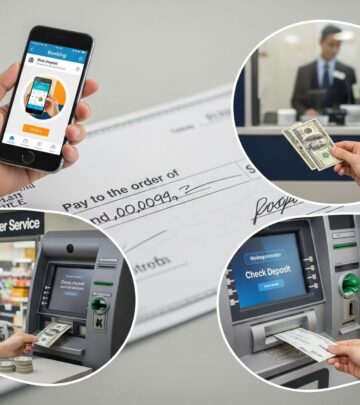
How to Use Prepaid Cards: After purchasing and activating a prepaid debit card (available at most retail stores), you can load funds onto the card in multiple ways. Many prepaid card providers offer mobile app integration that allows you to deposit checks by taking a photo of the front and back of your check.
Processing and Fees: Depending on your card provider and whether you want immediate access to funds, fees may apply. Some prepaid card companies waive check deposit fees if you’re willing to wait for the funds to clear, typically 1-3 business days. However, if you need immediate access to the funds, expedited processing fees may range from $5 to $25. Cards like Netspend’s prepaid debit card offer “Mobile Check Load” features where funds can sometimes be available immediately, though subject to additional charges.
Benefits: Once funds are loaded onto your prepaid card, you can use the card for purchases, online transactions, and ATM cash withdrawals, making it a versatile financial tool.
Method 5: Digital Payment Apps
Technology has revolutionized check cashing for those without traditional bank accounts. Digital payment applications now offer convenient mobile check deposit features that can process your check within minutes to a few business days.
Cash App
Cash App provides one of the most user-friendly and cost-effective digital options for check cashing. The service is completely free—it costs $0 to upload a check by taking a photo within the app. Funds typically become available within minutes to 1-2 business days. Mobile check deposit limits are set at $3,500 per individual check and $7,500 per calendar month.
PayPal
PayPal offers mobile check deposit services for users who don’t have traditional bank accounts. The platform charges a 5% fee on check amounts up to $25 for single checks and up to $50 for monthly deposits. Users must have a PayPal account to access this service.
Venmo
Similar to PayPal, Venmo provides mobile check deposit functionality with competitive fee structures. This option is particularly useful for younger users and those already familiar with peer-to-peer payment platforms.
Method 6: Employer-Sponsored Payroll Debit Cards
Some employers offer payroll debit cards as an alternative to direct deposit into a bank account. These employer-sponsored cards provide a convenient way to receive paychecks without maintaining a traditional bank account.
How They Work: Your employer deposits your paycheck directly onto the debit card, making funds immediately available. You can then use the card for purchases or withdraw cash from ATMs.
Cost Considerations: While some employers provide these cards at no cost, others may charge monthly maintenance fees or ATM withdrawal fees. It’s important to understand any associated costs before enrolling in your employer’s payroll card program.
Method 7: Sign Over Your Check to Someone Else
In situations where other options aren’t available, you can sign over your check to a trusted friend or family member who will cash it and give you the funds.
Process: To sign over a check, you must endorse the back of the check with your signature followed by “Pay to the order of [person’s name].” The recipient then signs the check and presents it to their bank for cashing.
Advantages: This method typically involves no fees and no identification requirements for you.
Disadvantages: You must completely trust the person who receives the check, and you’ll need to wait for that person to cash the check and provide you with the funds. Additionally, not all banks accept third-party checks due to fraud concerns, which limits this option’s reliability.
Comparison Table: Check-Cashing Methods
| Method | Typical Fees | Processing Time | ID Required | Best For |
|---|---|---|---|---|
| Issuing Bank | $0-$10 | Immediate | Yes | Largest savings |
| Retail Stores | $2-$10 | Immediate | Yes | Convenience + lower fees |
| Check-Cashing Stores | $5-$50 (1-10%) | Immediate | Sometimes | When other options unavailable |
| Prepaid Debit Cards | $5-$25 | 1-3 days (or immediate with fee) | No | Ongoing account needs |
| Digital Apps (Cash App) | $0 | Minutes to 2 days | No | Fastest, cheapest option |
| Digital Apps (PayPal) | 5% ($25 max per check) | 1-3 days | No | Established PayPal users |
| Payroll Debit Card | Variable | Immediate | N/A | Regular paychecks |
| Sign Over to Friend | $0 | Variable | No | Emergency situations |
Types of Checks You Can Cash
Most check-cashing methods accept several types of checks. Understanding which checks qualify for each method can help you choose the most appropriate option:
Payroll Checks: The most widely accepted check type across all cashing methods. These are typically processed quickly and without complications.
Government Checks: Social Security payments, tax refunds, stimulus payments, and other government-issued checks are generally accepted at all cashing locations, though some may have higher limits for these checks.
Cashier’s Checks: These bank-guaranteed checks are widely accepted and typically have lower fraud risk, making them acceptable at most cashing locations.
Money Orders: Similar to cashier’s checks in terms of acceptance and processing.
Personal Checks: Generally accepted but may involve higher scrutiny and potentially higher fees due to increased fraud risk.
Settlement Checks: Legal settlement or insurance checks can often be cashed using the methods outlined above, though availability may depend on the specific location and check amount.
Can You Cash a Check Without ID?
Cashing a check without identification is challenging but not impossible in all cases. Here are your options:
Check with the Issuing Bank: Contact the bank that issued the check to determine if they will cash it without identification or if they’ll accept alternative forms of identification such as passport, military ID, or other government-issued documents.
Use Check-Cashing Services: While other alternatives typically require identification, specialized check-cashing services are often more flexible. These services may accept the check itself as sufficient verification, particularly for established customers.
Digital Payment Apps: Many mobile check deposit apps don’t require traditional ID verification, making them excellent options if you lack government-issued identification.
Sign Over Your Check: Have a trusted friend or family member with valid ID cash the check for you.
Alternative Verification: Some institutions accept alternative verification methods such as utility bills, pay stubs, or other documents that prove your identity and residence.
Frequently Asked Questions About Cashing Checks Without a Bank Account
Q: What is the cheapest way to cash a check without a bank account?
A: The cheapest option is typically cashing your check at the issuing bank, which often charges no fee to non-customers. If that’s not available, digital apps like Cash App (which charge $0 to deposit checks), retail stores ($2-$10), and employer payroll debit cards (which may be free) offer affordable alternatives. Check-cashing stores should be your last resort due to their significantly higher fees.
Q: How long does it take to receive funds when depositing a check through a digital app?
A: Processing times vary by app and institution. Cash App typically processes deposits within minutes to 1-2 business days. PayPal and Venmo typically require 1-3 business days. Some prepaid card providers offer immediate access to funds for an additional fee, while standard processing usually takes 1-3 business days.
Q: Are prepaid debit cards safe for storing check deposit funds?
A: Yes, many prepaid debit cards offer FDIC insurance protection for funds loaded onto the card, providing security comparable to traditional bank accounts. However, you should verify that the specific prepaid card you choose offers this protection before opening an account.
Q: Can I cash a government check without a bank account?
A: Absolutely. Government checks including Social Security, tax refunds, and stimulus payments can be cashed at retailers, check-cashing services, digital payment apps, and prepaid debit cards, provided the check amount doesn’t exceed the location’s limit.
Q: What documentation do I need to cash a check at a retail store?
A: Most retail stores require a valid government-issued ID such as a driver’s license, passport, or state ID card. It’s best to call ahead to confirm the specific requirements of your nearest location, as policies may vary.
Q: Are there daily or monthly limits on check deposits through digital apps?
A: Yes. Cash App limits mobile check deposits to $3,500 per check and $7,500 per month. Other apps may have different limits, so it’s important to verify the specific limits of your chosen platform.
Q: Can I cash a personal check from a friend or family member?
A: Yes, personal checks can be cashed using most of the methods outlined in this guide, though they may involve higher scrutiny and potentially higher fees than payroll or government checks due to increased fraud risk.
Q: What happens if my check exceeds the cashing limit at a particular location?
A: If your check amount exceeds a location’s limit, you have several options: visit the issuing bank directly, split the check between multiple locations (if permitted), or use a digital app or prepaid card that may have higher limits.
References
- Federal Deposit Insurance Corporation (FDIC) Unbanked and Underbanked Data — FDIC. 2024. https://www.fdic.gov/analysis/household-survey/
- How to Cash a Check Without a Bank Account — Chase.com. 2024. https://www.chase.com/personal/banking/education/basics/cash-a-check-without-a-bank-account
- 6 Ways To Cash A Check Without A Bank Account — Bankrate. 2024. https://www.bankrate.com/banking/checking/how-to-cash-a-check-without-a-bank-account/
- How to Cash a Check In Person Without a Bank Account — Netspend. 2024. https://www.netspend.com/blog/how-to-cash-a-check-in-person-without-a-bank-account
- 6 Ways to Cash a Check Without a Bank Account — PayPal US. 2024. https://www.paypal.com/us/money-hub/article/cash-check-without-bank-account
- How to Cash a Check Without a Bank Account — SoFi. 2024. https://www.sofi.com/learn/content/cash-check-without-bank-account/
Similar Articles








Read full bio of Sneha Tete