6 Ways to Cash a Check Without a Bank Account
Discover practical alternatives to cash checks without a bank account, from retailers to mobile apps.
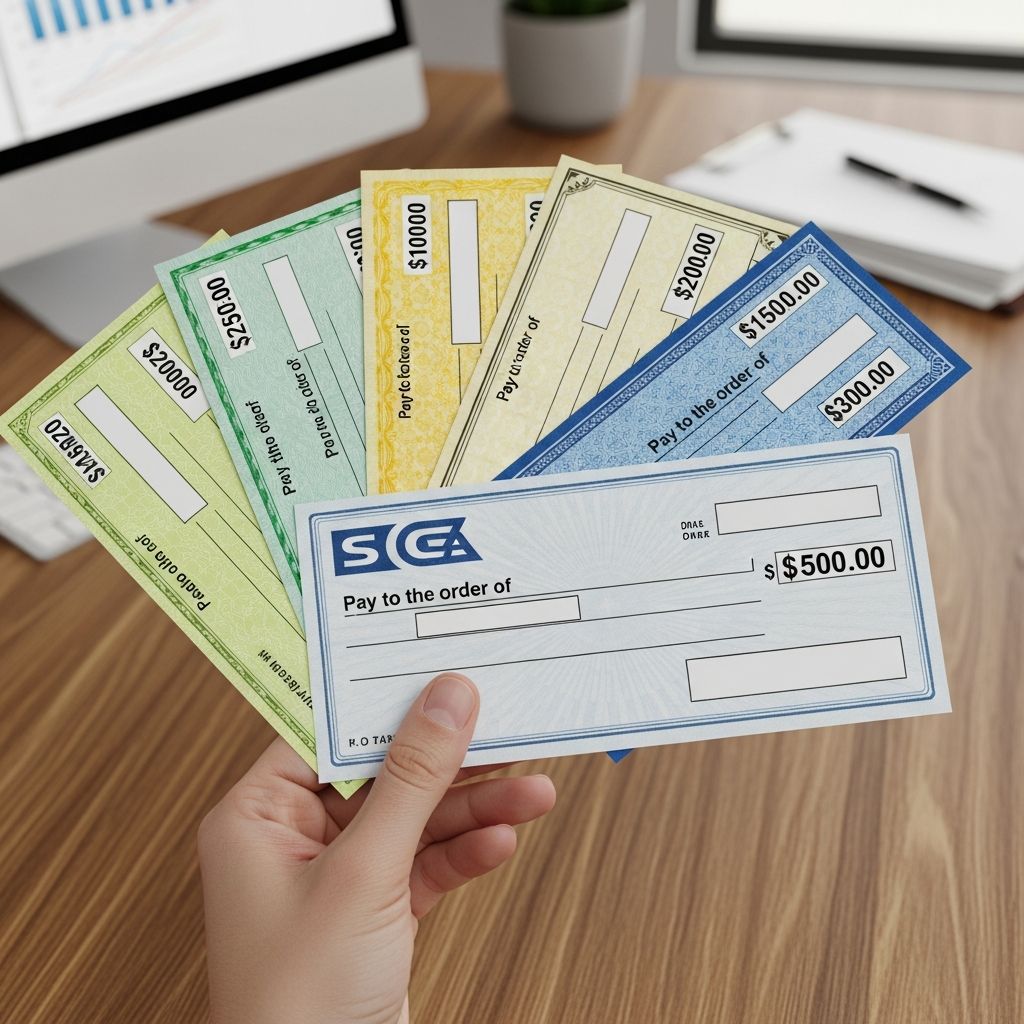
Cashing a check without a bank account is entirely possible in today’s financial landscape. Whether you’re unbanked by choice or circumstance, multiple methods exist to convert your check into usable cash. According to the Federal Deposit Insurance Corporation (FDIC), approximately 5.9 million U.S. households lack bank accounts, making these alternative solutions essential for millions of Americans.
Understanding your options helps you choose the most cost-effective and convenient method for your situation. Each approach comes with its own advantages, disadvantages, and fee structures that deserve careful consideration before proceeding.
Understanding Check-Cashing Options for the Unbanked
The unbanked population faces unique financial challenges, and check cashing represents a critical need for many. From payroll checks to government benefits, individuals without traditional bank accounts require reliable ways to access their funds. The methods outlined below provide practical solutions ranging from free to moderately expensive options.
1. Cash Your Check at the Issuing Bank (Cheapest Option)
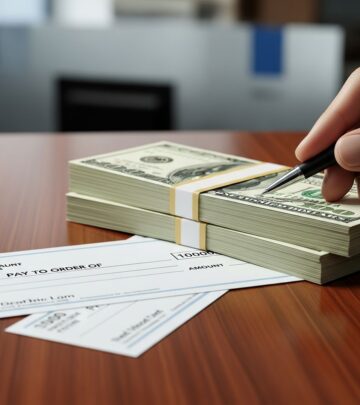
Your first and most economical option is to visit the bank listed on your check. Many financial institutions will cash checks drawn on their accounts even for non-customers, though they may charge a fee ranging from $7.50 to $8.00. This approach eliminates middlemen and offers relatively straightforward processing.
To use this method, simply visit the issuing bank’s branch with your check and a valid government-issued photo identification. The process typically involves:
- Presenting your check to a teller or customer service representative
- Providing valid government-issued identification
- Completing any required documentation
- Receiving cash minus any applicable fees
Major banks like Bank of America, Chase, Wells Fargo, and Citibank all offer this service. Citibank notably charges no fee for checks under $5,000, making it an excellent choice for smaller check amounts. This method remains the most straightforward and affordable option available.
2. Cash Your Check at a Major Retailer
National retailers and grocery chains have become major players in check-cashing services. Stores like Walmart, Kroger, Target, and other large retailers operate money centers or customer service desks specifically designed to handle check-cashing transactions. This option proves particularly convenient if a bank location isn’t nearby.
The process at retail locations is straightforward:
- Visit the money center or customer service desk
- Present your check and government-issued identification
- Confirm the retailer cashes your check type
- Pay the applicable fee
- Receive cash minus the service charge
Retail check-cashing fees typically range from $4 to $10, depending on the retailer and check amount. These fees are generally lower than dedicated check-cashing stores, making retailers an attractive middle-ground option. Before visiting, it’s wise to call ahead and confirm current fees and whether the retailer accepts your specific check type.
Retailers accept most common check types, including payroll checks, government checks, cashier’s checks, money orders, and personal checks. Their extended hours compared to traditional banks make them particularly convenient for people working standard business hours.
3. Use Check-Cashing Apps and Mobile Services
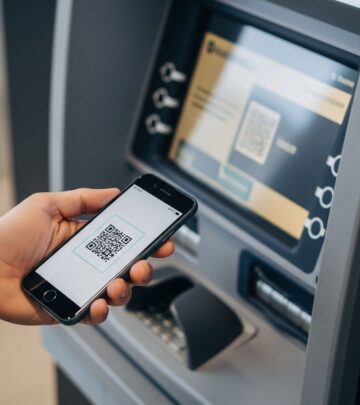
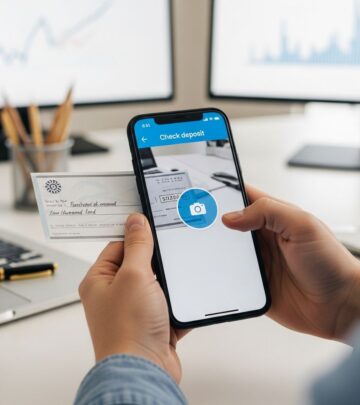
Digital technology has revolutionized check cashing, allowing you to deposit checks directly through smartphone apps. Services like Cash App, PayPal, and Venmo eliminate the need to visit physical locations, offering speed and convenience that traditional methods cannot match.
Cash App
Cash App offers one of the most affordable digital check-cashing options. Uploading a check costs absolutely nothing—simply take a photo of your check within the app and submit it. Funds typically become available within minutes to one or two business days. However, Cash App imposes deposit limits of $3,500 per check and $7,500 per month, which may affect those with larger checks.
PayPal
PayPal charges a 1% fee (minimum $1.50, maximum $20) for personal checks and a 1% fee (minimum $2, maximum $50) for business checks. While slightly more expensive than Cash App, PayPal provides additional account security and buyer protection features that some users value.
Venmo
Venmo offers mobile check deposit services through its mobile app, charging a percentage-based fee. Like other digital services, Venmo requires account setup but provides quick fund availability and minimal transaction friction.
These digital methods require no bank account, making them ideal for unbanked individuals with smartphones. The primary advantages include:
- No physical location visits required
- Quick fund availability
- Low or zero fees for basic services
- Account setup is simple and fast
- Available 24/7 for deposits
4. Use a Prepaid Debit Card With Mobile Check Deposit
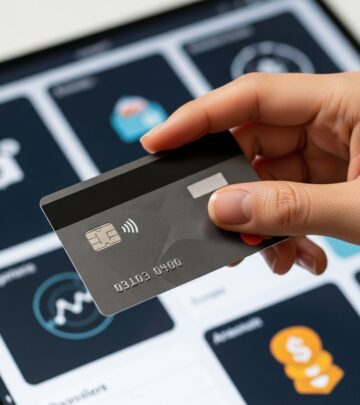
Prepaid debit cards function similarly to traditional bank accounts but don’t require formal banking relationships. Many prepaid card providers, including Netspend, allow customers to deposit checks using mobile apps. This method bridges the gap between traditional banking and modern digital convenience.
To use this approach:
- Purchase and register a prepaid debit card from a retail location
- Download the card provider’s mobile app
- Take a photo of your check using the app
- Deposit funds directly onto the prepaid card
- Use the card for purchases or ATM withdrawals
Prepaid cards typically charge fees ranging from $5 to $25 for check deposits, plus additional fees for ATM withdrawals and other services. Once funds are loaded onto the card, spending is limited only by available balance. Some prepaid card providers offer FDIC insurance protection for loaded funds, adding an extra layer of security.
The advantages of prepaid cards include:
- No bank account required
- Widely available at retail stores
- Mobile check deposit capability
- Can be used anywhere debit cards are accepted
- Potential FDIC insurance coverage
- Funds available for spending quickly
5. Sign Over Your Check to a Trusted Friend
One of the oldest and completely free methods of cashing a check involves signing it over to someone you trust. If the check is written to you, you can endorse it to another person who then cashes it using their own bank account or preferred method.
This method involves:
- Signing the back of the check
- Writing “Pay to the order of [friend’s name]”
- Having your friend present it for cashing
- Receiving cash from your friend
The primary advantage is zero fees—no charges, no percentages, no service fees. However, this method requires trust and depends on your friend’s willingness and ability to help. Not all checks can be endorsed, and some institutions may refuse to cash third-party checks, so this option isn’t universally available.
6. Use a Check-Cashing Store (Last Resort Only)
Check-cashing stores like ACE Cash Express, Check Into Cash, and Amscot specifically serve unbanked customers but represent the most expensive option. These dedicated check-cashing outlets charge fees ranging from 1% to 10% of the check amount, with total fees potentially reaching $50 or more on larger checks.
The process is straightforward:
- Visit a check-cashing location with your check and ID
- The staff verifies check authenticity and your identity
- You pay the required fee
- You receive cash immediately
Check-cashing stores should be considered a last resort for several reasons:
- Fees are significantly higher than other methods (4-12% of check amount)
- Additional charges may apply for specific check types
- No consumer protections beyond basic verification
- Predatory practices may target vulnerable unbanked customers
However, they do offer same-day cash availability, which some customers value over the waiting periods associated with banks and digital services. Their widespread geographic availability also makes them accessible to people in areas lacking retail banking options.
Fee Comparison Chart
| Method | Typical Fee Range | Speed | Convenience |
|---|---|---|---|
| Issuing Bank | $7.50-$8.00 | Same day | Moderate |
| Retail Stores | $4-$10 | Same day | High |
| Cash App | Free | Minutes to 2 days | Very High |
| PayPal | $1.50-$20 | 1-3 days | Very High |
| Prepaid Card | $5-$25 | Minutes to 1 day | High |
| Trusted Friend | Free | Varies | Depends on relationship |
| Check-Cashing Store | $5-$50 (1-10%) | Same day | Moderate |
Types of Checks You Can Cash
Most check-cashing methods accept several types of checks, though acceptance varies by institution and method:
- Payroll checks: Most widely accepted, lowest risk for institutions
- Government checks: Social Security, tax refunds, stimulus payments typically accepted everywhere
- Cashier’s checks: Considered very safe, widely accepted
- Money orders: Generally accepted by most services
- Personal checks: May face higher scrutiny or rejection at some locations
- Settlement checks: Usually accepted with verification
Before attempting to cash a check, verify that your specific check type is accepted by your chosen method, as some services have restrictions or charge higher fees for certain check categories.
Choosing the Right Method for Your Situation
Selecting the best check-cashing method depends on several personal factors:
- Fee tolerance: How much you’re willing to pay in service charges
- Location convenience: Distance to nearest participating bank or retailer
- Speed requirements: Whether you need same-day cash or can wait a few days
- Check amount: Larger checks may face deposit limits with digital services
- Check type: Some methods don’t accept certain check categories
- Technology comfort: Whether you prefer digital or in-person transactions
- Trust availability: Access to someone you can endorse checks to
Tips for Successfully Cashing Checks
- Always bring valid government-issued photo identification
- Call ahead to confirm fees and check acceptance
- Verify check amount limits before attempting to deposit
- Check expiration dates—most checks are valid for 180 days
- Endorse checks properly on the back, matching the name on the front
- Be cautious of scams involving overpayment or advance fees
- Consider setting up a prepaid card for regular check deposits
- Track all fees to understand your true cash amount
Frequently Asked Questions
Q: Can I cash a check at any bank, or only at the issuing bank?
A: Most banks will only cash checks drawn on their own accounts. Some major banks like Bank of America, Chase, Wells Fargo, and Citibank do cash checks for non-customers, typically for a fee. Regional and community banks usually restrict check cashing to account holders.
Q: What’s the fastest way to get cash from a check?
A: Check-cashing stores and retail locations offer same-day cash. Digital services like Cash App can make funds available within minutes to a few hours, though some funds may not be spendable immediately.
Q: Are there deposit limits when using mobile check-cashing apps?
A: Yes, most digital services impose limits. Cash App, for example, limits deposits to $3,500 per check and $7,500 per month. PayPal and Venmo have their own limits that vary.
Q: Can I cash a personal check without an ID?
A: Most check-cashing methods require valid government-issued identification for security purposes. Prepaid card apps might offer options without ID, but this varies by provider and check amount.
Q: How much do check-cashing stores typically charge?
A: Check-cashing stores typically charge 1% to 10% of the check amount, with fees potentially reaching $50 or more on large checks. This makes them the most expensive option for cashing checks.
Q: Can I deposit a check made out to someone else?
A: Generally no, unless the payee signs over the check to you by endorsing it. This third-party check endorsement varies in acceptance by different institutions.
Q: How long is a check valid for cashing?
A: Checks are typically valid for 180 days (six months) from the date written. Some institutions may refuse to cash checks older than this period.
Q: Do I need a bank account to use prepaid debit cards?
A: No, prepaid debit cards are specifically designed to work without a bank account. They function independently with their own money management system and mobile apps.
References
- 6 Ways To Cash A Check Without A Bank Account — Bankrate. 2025. https://www.bankrate.com/banking/checking/how-to-cash-a-check-without-a-bank-account/
- How to Cash a Check In Person Without a Bank Account — Netspend. 2025. https://www.netspend.com/blog/how-to-cash-a-check-in-person-without-a-bank-account
- How to Cash a Check Without a Bank Account — PNC Insights. 2025. https://www.pnc.com/insights/personal-finance/spend/how-to-cash-check-without-bank-account.html
- 6 Ways to Cash a Check Without a Bank Account — PayPal US. 2025. https://www.paypal.com/us/money-hub/article/cash-check-without-bank-account
- Survey of Household Economics and Decisionmaking — Federal Deposit Insurance Corporation (FDIC). 2021. https://www.fdic.gov/
Similar Articles








Read full bio of Sneha Tete