How to Cash a Money Order: Complete Guide
Learn the simple steps to cash a money order safely and securely at banks, post offices, or retailers.
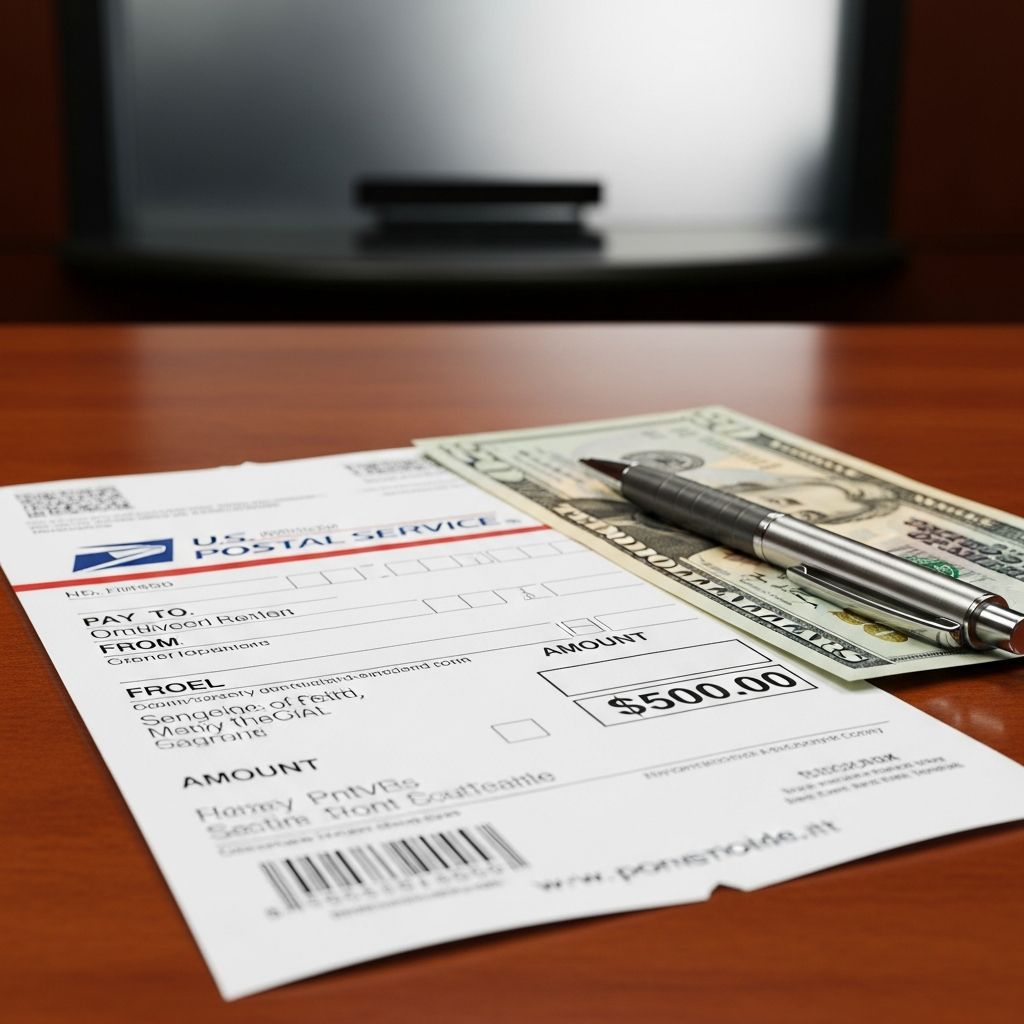
How to Cash a Money Order: A Complete Guide
Money orders remain one of the most reliable and secure methods to send funds or make payments in today’s financial landscape. Unlike personal checks that can bounce due to insufficient funds, money orders are prepaid instruments that guarantee immediate funds availability. Whether you’ve received a money order from a sender or need to understand the cashing process, this comprehensive guide will walk you through everything you need to know about converting your money order into cash.
Understanding Money Orders
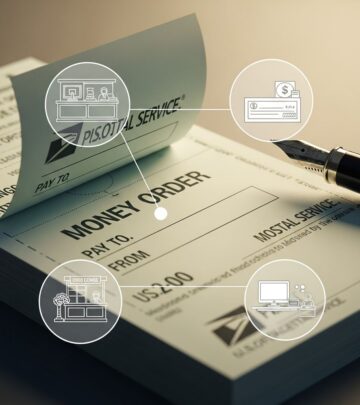
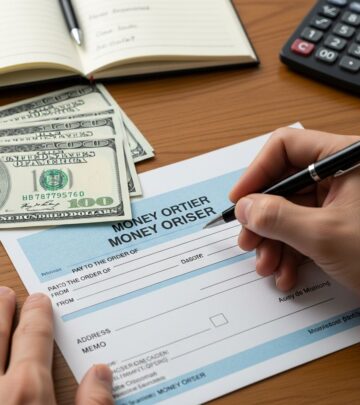
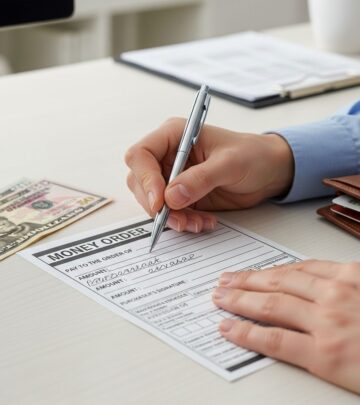
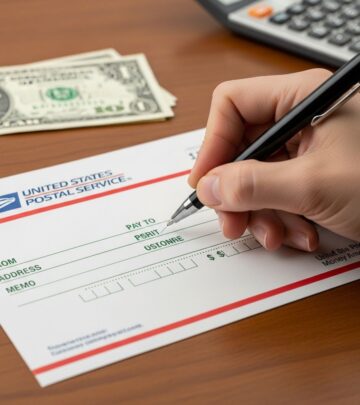
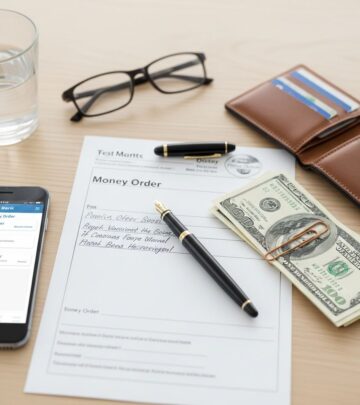
A money order is a paper form of payment that functions similarly to a check but with enhanced security features. When a sender purchases a money order, they pay the full value of the order plus a small issuing fee to a financial institution, government agency, or authorized retailer. The sender then fills out the money order with the recipient’s name and address, signs it, and sends it to the intended recipient. Unlike checks, money orders cannot bounce because they are purchased with cash or debit card upfront, making them a trusted payment method for those without easy access to traditional banking services.
Where You Can Cash a Money Order
One of the advantages of money orders is their widespread acceptance and accessibility. You have multiple options for cashing your money order:
Post Offices
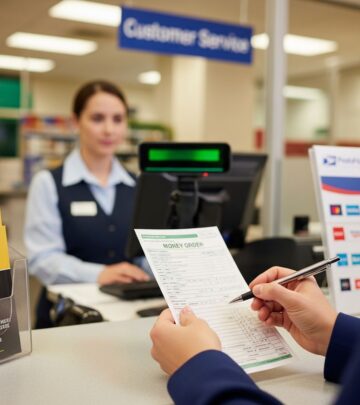
If your money order was issued by the United States Postal Service (USPS), you can cash it at any post office location entirely free of charge. This is one of the most convenient and cost-effective options for USPS money orders. Simply visit your nearest post office with the required documentation, and a postal employee will process your cash-out request.
Banks and Credit Unions
Most banks and credit unions accept money orders for cashing, particularly if you are a current customer of that institution. Many banks will cash money orders regardless of where they were issued, though you may encounter fees if you cash at a non-issuing institution. Contact your bank in advance to confirm their money order cashing policies and any associated fees.
Retail Locations
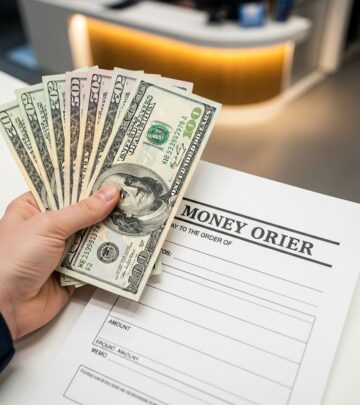
Major retailers like Walmart accept money orders for cashing. Additionally, authorized agents of money order issuers such as Western Union and MoneyGram typically allow you to cash their issued money orders at their locations. These retail options provide convenient alternatives if you cannot visit a bank or post office during business hours.
Online Options
Not all financial institutions support online money order cashing, but some do offer this service. Banks that provide this option typically require you to photograph the money order and upload it through a secure platform for deposit, or they may ask you to mail the original document to them for processing.
Step-by-Step Guide to Cashing a Money Order
Step 1: Verify the Amount
Before presenting your money order for cashing, carefully check that the amount printed on the money order matches the sum you were expecting to receive. This verification step prevents misunderstandings and ensures you receive the correct payment. Take a moment to review all details on the front of the money order to confirm accuracy.
Step 2: Gather Required Documentation
You will need to bring a valid government-issued photo identification when cashing a money order. Acceptable forms of ID include a driver’s license, passport, military ID, or other state-issued photo identification. The name on your ID must match the recipient’s name printed on the money order. This requirement protects both you and the issuing institution by preventing fraud and ensuring that only authorized individuals can cash the money order.
Step 3: Endorse the Money Order
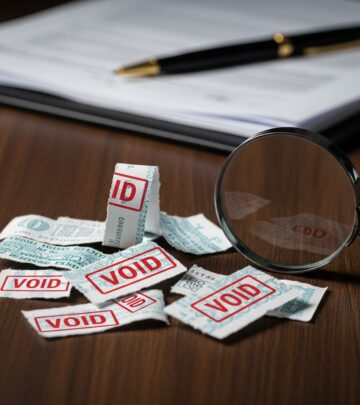
Sign the money order only in the designated endorsement area on the back of the document, and only when instructed by a teller or cashier. It is crucial not to sign the money order prematurely before arriving at the cashing location, as signing it early can void the document and make it uncashable. The front of the money order contains the sender’s signature area, while the back is reserved exclusively for the recipient’s endorsement.
Step 4: Check for Fees
While the sender typically pays the fee when purchasing the money order, some institutions may charge additional processing or cashing fees. Ask the teller or cashier about any fees that may apply before completing the transaction. Understanding the fee structure ensures you know exactly how much cash you will receive.
Step 5: Collect Your Funds
Once you have completed all necessary steps and signed the required documentation, the teller will provide you with your cash. Verify the amount before leaving the location to ensure accuracy. Keep your receipt for future reference and as proof of the transaction.
Important Precautions and Best Practices
Cash Promptly After Receipt
Although money orders do not technically have expiration dates, many institutions maintain internal policies regarding their validity period. Additionally, the longer you wait to cash a money order, the greater the risk that it could be misplaced, damaged, or lost. In rare cases, a fraudulent sender could attempt to cancel the money order. Once a money order has been cashed, it can no longer be canceled, providing you with complete security over the funds.
Verify Sender Information
Before accepting a money order, ensure that the sender is someone you know and trust. Fraudulent money orders do exist, and it is important to verify that the transaction is legitimate. If you are unsure about the money order’s authenticity, contact the issuing institution to confirm its validity.
Protect Your Money Order
Treat your money order as you would treat cash. Store it in a safe, secure location until you can cash it. Do not leave it unattended in your vehicle or other unsecured areas. If your money order is lost or stolen, contact the issuing institution immediately with your receipt information to report the issue.
Keep Documentation
The sender should detach and retain the receipt when sending a money order, and you should request a receipt when cashing it. These receipts serve as proof of payment and transaction records. In case of disputes or if you need to track a payment, these documents provide essential evidence of the transaction.
Differences Between Cashing and Depositing
You have two primary options when receiving a money order: cashing it for immediate cash or depositing it into your bank account. Depositing a money order into your bank account works similarly to depositing a check. You can deposit money orders through various methods including in-person at a bank branch, at an ATM with mobile deposit capability, or through your bank’s mobile app. All you need to do is sign the back of the money order to endorse it and follow your bank’s deposit procedures. Depositing into your bank account may be the safest option if you do not need all the cash immediately, as you can withdraw funds when needed.
Money Order Fees and Costs
Money orders typically cost between $1 and $5 depending on the issuing location and the amount being sent. The sender usually pays this fee when purchasing the money order. However, when cashing a money order at a non-issuing institution, you may encounter additional fees. For example, cashing a USPS money order at a bank (rather than a post office) might result in a fee charged by the bank. Always confirm the fee structure before completing your transaction to understand the exact amount you will receive.
Common Concerns and Questions
Can I Cash a Money Order Without an ID?
No, a valid government-issued photo ID is required to cash a money order at virtually all locations. This requirement is a security measure to prevent fraud and verify that you are the intended recipient. The name on your ID must match the name printed on the money order as the recipient.
What If the Name on the Money Order Doesn’t Match My ID?
If the recipient’s name on the money order does not match the name on your identification, the institution will likely refuse to cash it. This mismatch is considered a security risk. If this occurs, you may need to contact the sender to cancel the money order and reissue it with the correct name, or the sender may need to authorize you to cash it through special arrangements.
Is There a Time Limit for Cashing a Money Order?
Money orders do not have a strict legal expiration date. However, individual institutions may have internal policies regarding validity periods. To be safe, cash your money order as soon as possible after receiving it. Some institutions may begin questioning the legitimacy of very old money orders or may require additional verification.
Can I Get a Refund for an Uncashed Money Order?
If you have an uncashed money order and need a refund, you will need to contact the issuing institution with your receipt. The original purchaser may need to initiate a refund request. Processing refunds typically takes several weeks and may involve fees.
Why Money Orders Remain Relevant
Despite the rise of digital payment methods and mobile banking applications, money orders continue to serve an important function in the financial ecosystem. They remain particularly valuable for individuals without easy access to traditional banking services, those who prefer not to use digital payment methods, and situations where a secure, documented payment method is necessary. Money orders are reliable, straightforward to use, and do not require a bank account or mobile application to send or receive payments.
Frequently Asked Questions
Q: What should I do if I lose a money order?
A: Contact the issuing institution immediately with your receipt information. The original sender may be able to stop payment or reissue the money order. Keep your receipt safe as it serves as proof of the transaction.
Q: Can someone else cash my money order for me?
A: Generally, no. Only the person whose name appears on the money order as the recipient can cash it. This is a security measure to prevent fraud. The recipient must present a valid ID matching the name on the money order.
Q: Do all banks cash money orders?
A: Most banks cash money orders, but some may limit this service to current customers only or charge higher fees for non-customers. Contact your bank to confirm their policies.
Q: What is the maximum amount for a money order?
A: Many money orders have a $1,000 limit, including those purchased at banks. If you need to send more than this amount, you may need to purchase multiple money orders.
Q: Can I cash a money order by mail?
A: Some financial institutions accept money orders by mail for deposit into an account. However, cashing by mail is less common. Contact your bank to ask about their mail deposit policies.
Q: What fees should I expect when cashing a money order?
A: USPS money orders can be cashed free at post offices. At other locations, fees may range from $1 to $5 depending on the issuing institution and your bank’s policies. Always confirm fees before completing the transaction.
References
- How to Cash a Money Order [Complete Guide] — Rates FM. 2024. https://rates.fm/banks/how-to-cash-a-money-order/
- What Is a Money Order? How It Works + Fill One Out — PayPal Money Hub. 2024. https://www.paypal.com/us/money-hub/article/what-is-a-money-order
- What Is a Money Order? How to Fill Out and How It Works — NerdWallet. 2024. https://www.nerdwallet.com/banking/learn/money-orders
- How to Cash a Money Order — Huntington Bank. 2024. https://www.huntington.com/learn/checking-basics/cash-money-order
- What Is a Money Order and How Does It Work? — Experian. 2024. https://www.experian.com/blogs/ask-experian/what-is-money-order/
- Sending Money Orders — United States Postal Service. 2024. https://www.usps.com/shop/money-orders.htm
Similar Articles








Read full bio of medha deb